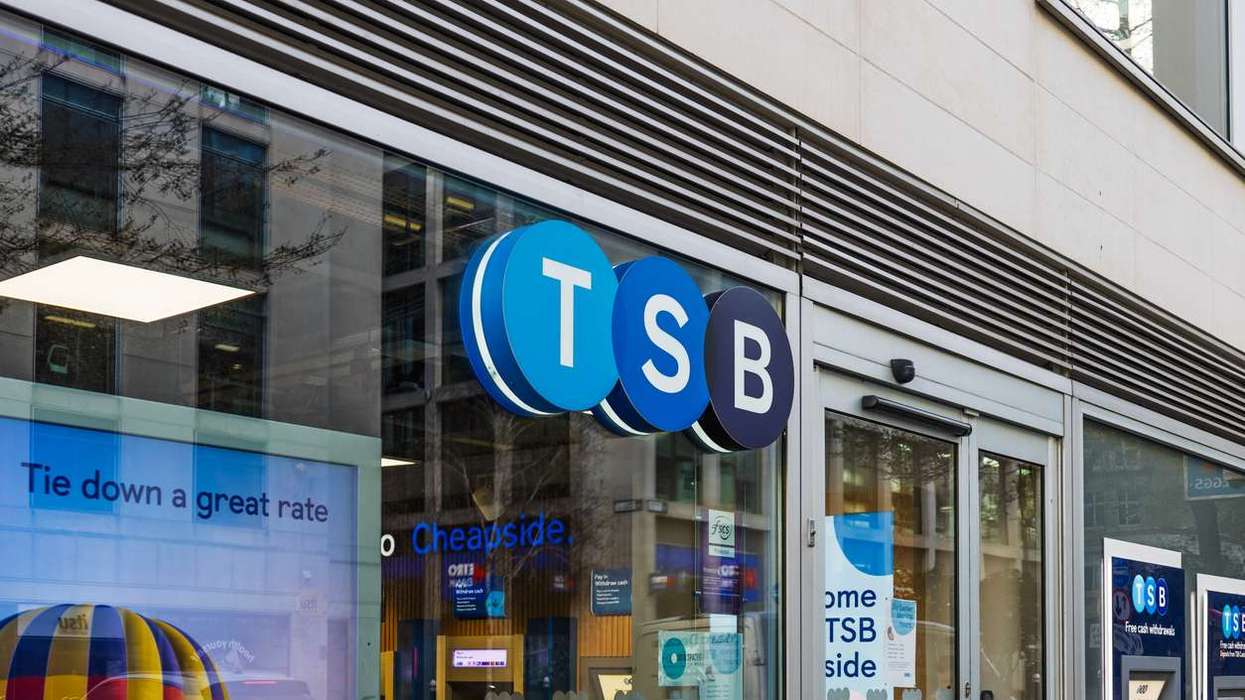

- Santander is reportedly planning to phase out the TSB brand after its takeover.
- The deal created one of Britain’s biggest retail banking groups.
- Customers are not expected to see immediate changes for at least 12 months.
One of Britain’s oldest banking names could soon disappear from high streets after Santander UK reportedly moved closer to phasing out the TSB brand following its multi-billion-pound takeover of the lender.
The Spanish-owned banking giant completed its £2.9 billion acquisition of TSB at the end of April, marking the biggest investment in the UK banking sector in more than 15 years. According to reports, Santander now plans to eventually operate the combined business entirely under the Santander UK name once integration work is completed.
The move could bring an end to a banking brand with roots stretching back more than two centuries.
TSB traces its origins to the Trustee Savings Bank movement founded in 1810 in Scotland. The modern TSB brand emerged during the 1960s before later merging with Lloyds Bank in the 1990s to create Lloyds TSB. The bank later returned as a standalone business before being bought by Spanish lender Sabadell in 2015 for £1.7 billion.
No immediate changes for customers
Despite reports around the future of the brand, Santander said customers would not see immediate changes to accounts, products or services.
The combined bank will now become Britain’s third-largest provider of current accounts and fourth-largest mortgage lender, serving nearly 28 million customers across the UK.
A Santander spokesperson reportedly said the acquisition was aimed at building a “stronger, more competitive bank” with greater investment in customer service, technology and products.
The bank also acknowledged the long-standing value of the TSB brand and said it would carefully consider how to use that brand over the longer term. Santander expects the takeover to generate more than £320 million ($400 million) in annual pre-tax cost savings by 2028.
Nicola Bannister reportedly described the takeover as “a significant new chapter” for TSB, while Mahesh Aditya reportedly said the deal would strengthen competition in British banking.
Another familiar name fading from the high street
The possible disappearance of TSB comes during another difficult period for Britain’s high streets, where several long-established brands have either collapsed, shut stores or disappeared entirely in 2026.
Retailers including LK Bennett, Claire’s and The Original Factory Shop have already closed large parts of their businesses following administration processes, while delivery company Yodel is also being phased out after its acquisition by InPost.
Other major chains, including River Island, Poundland and BrewDog, have also announced store closures this year as companies continue to battle rising costs and weaker consumer spending.
While TSB itself is not disappearing overnight, the possible loss of another long-standing British brand is likely to fuel wider concerns over the gradual reshaping of the UK high street and banking sector.