
INDIA is home to a vibrant faith-based civil society and among the world's most religiously diverse societies with a “proud history of religious tolerance”, the UK government said during a parliamentary debate.
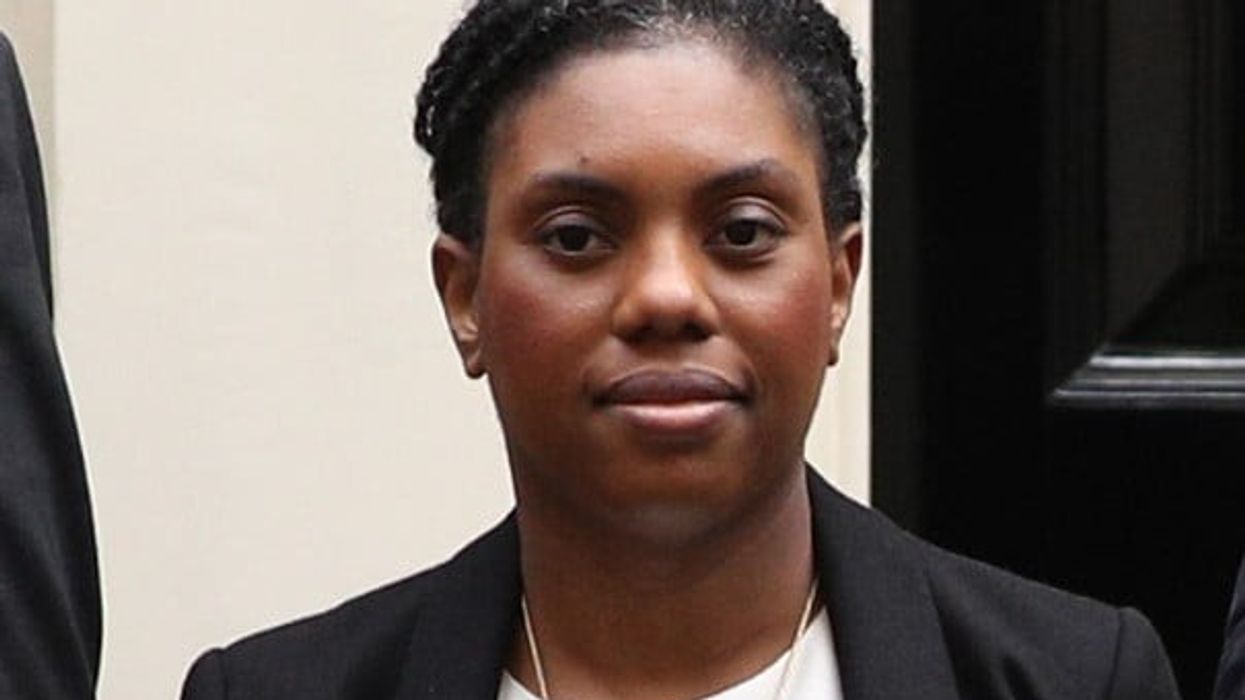
Responding to the debate entitled ‘Christians and Religious Minorities: India' at Westminster Hall in the House of Commons complex in London on Thursday (24), UK minister of equalities Kemi Badenoch highlighted the “open and constructive dialogue” in place between India and the UK across all subject areas.
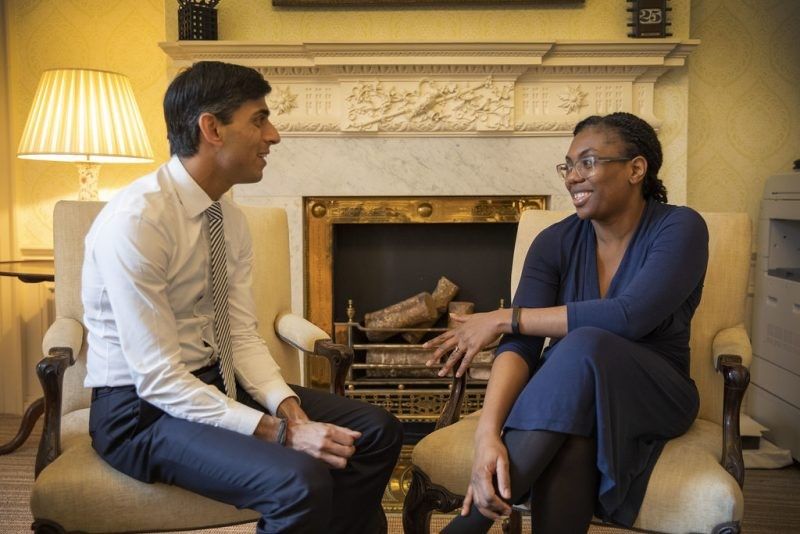 Chancellor Rishi met Kemi Badenoch
She reiterated that the UK-India relationship is “central” to Britain's foreign policy tilt towards the Indo-Pacific.
“India, like the UK, is a society with many different faith communities. It has a proud history of religious tolerance and is among the most religiously diverse societies in the world, with significant religious minority communities, including Christians and Muslims,” the minister said.
Also Read | Badenoch : New health inequalities report urges to do survival analysis among minorities
“We recognise that, in a country of 1.3 billion people, the situation for minorities varies, depending on the region and their social and economic status. It is up to the government of India to uphold those freedoms and rights, which are guaranteed by its strong democratic framework and legal mechanisms,” she said
The debate by backbench parliamentarians was called by Democratic Unionist Party (DUP) MP Jim Shannon, who is also chair of the All Party Parliamentary Group (APPG) for International Freedom of Religion or Belief.
“This debate looks to better things in India, ever mindful that we have a special relationship. It is my hope that things in life will get better,” said Shannon in his opening speech.
“Today's debate offers time to stop and reflect on the situation regarding freedom of religion or belief in India and the problems that persist today,” he said.
Conservative Party MPs Theresa Villiers and Bob Blackman were among the participants who spoke to highlight that freedom of religion is a fundamental right in India.
“Diversity, inclusion and respect for minority faiths have been core principles of the state of India since its inception,” said Villiers.
“In any country, there will be wrongdoers and extremists who commit crimes and incite hatred against minorities. What is important is to look at is how a state responds to such criminal and unacceptable activities,” she said.
Blackman spoke of how India's Constitution directly protects and safeguards religious minorities.
“Minority community status for Muslims, Sikhs, Christians, Parsis, Buddhists and Jains is not only protected by law, but they are encouraged to promote their individual identities. That is in the Constitution,” he said.
His fellow Tory MP, Fiona Bruce, however, pointed to “concerning reports of increasing discrimination and persecution” of religious minorities in some parts of the country.
“India is experiencing Islamophobia and Christianophobia, which in response can lead to Hinduphobia. This is all a far cry from the founding principles of India. It is a sad stain on modern India,” she said.
(PTI)