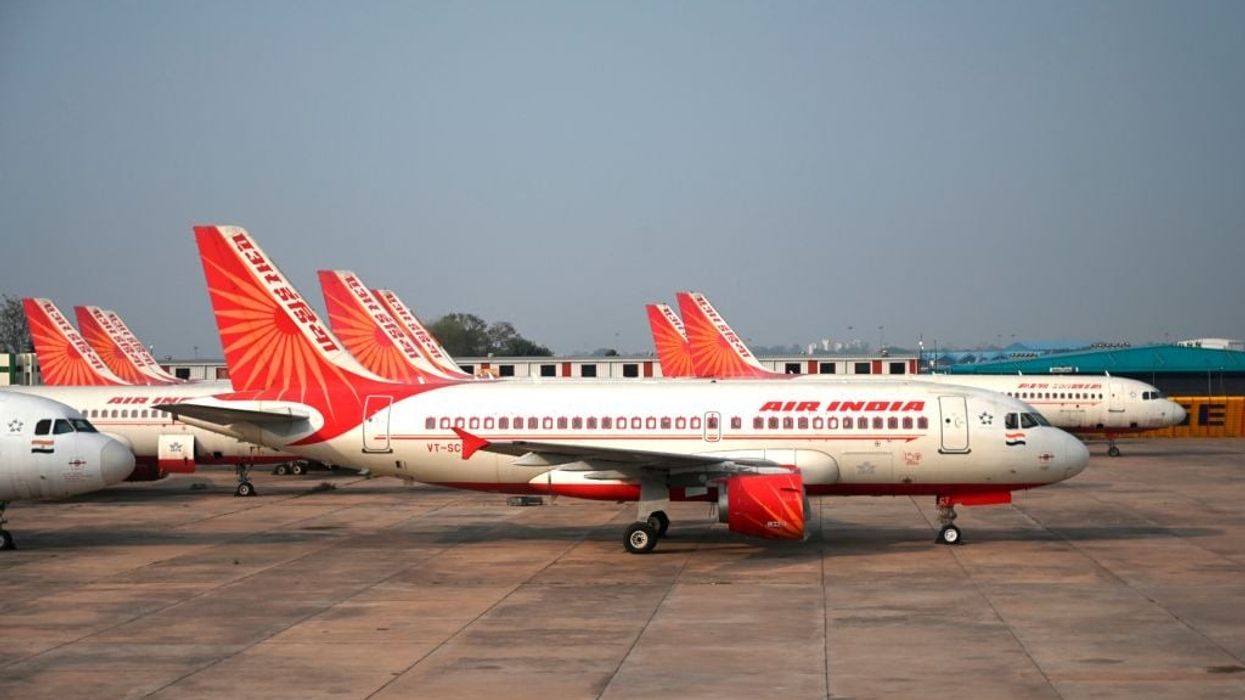
INDIA has extended the suspension of scheduled international passenger flights till February 28, the country’s aviation regulator said on Wednesday (19).
Scheduled international passenger flights have been suspended in India since March 23, 2020.
However, special passenger flights have been operating between India and approximately 40 countries since July 2020 under air bubble arrangements formed with them.
In a circular on Wednesday, the Directorate General of Civil Aviation (DGCA) stated: "The competent authority has decided to extend the suspension of scheduled international commercial passenger services to/from India till 2359 hrs IST of February 28, 2022."
This restriction does not apply to international all-cargo operations and flights specifically approved by the DGCA, it said.
Fights under air bubble arrangement will not be affected, it noted.
The DGCA had on November 26, 2021, announced that India would resume scheduled international passenger flights from December 15, 2021.
Just a day later, prime minister Narendra Modi asked the civil aviation ministry and the DGCA to review its decision in the wake of the rising concerns over the Omicron variant of the coronavirus.
On December 1, 2021, the DGCA revoked its November 26 decision without saying how long the suspension of scheduled international flights would continue.
(PTI)
India extends curbs on international flights till Feb 28