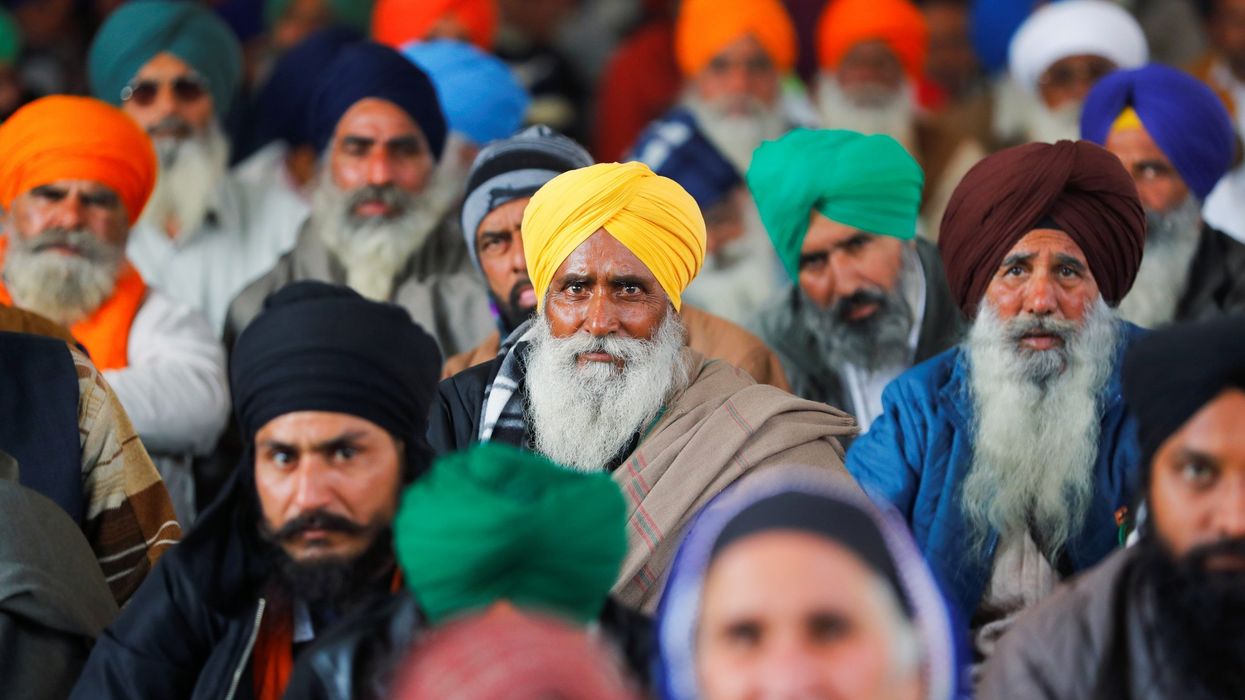

India blocked mobile internet services in several areas around New Delhi on Saturday as protesting farmers began a one-day hunger strike after a week of clashes with authorities that left one dead and hundreds injured.
Angry at new agricultural laws that they say benefit large private food buyers at the expense of producers, tens of thousands of farmers have been camped at protest sites on the outskirts of the capital for more than two months.
At the main protest site near the village of Singhu on the northern outskirts of the city, there was a heightened police presence on Saturday as hundreds of tractors arrived from Haryana, one of two states at the centre of the protests.
"Many farmers' groups have joined the protest site since last night," said Mahesh Singh, a 65-year-old farmer from Haryana. "They have come to show their support and more farmers are expected to come in the next two days."
India's interior ministry said on Saturday internet services at three locations on the outskirts of New Delhi where protests are occurring had been suspended until 11 p.m. (1730 GMT) on Sunday to "maintain public safety".
Indian authorities often block local internet services when they believe there will be unrest, although the move is unusual in the capital.
Farm leaders said the hunger strike by hundreds of protesters, primarily at Singhu and two other protest sites and designed to coincide with the anniversary of the death of Indian independence leader Mahatma Gandhi, would show Indians that the demonstrations were non-violent.
"The farmers' movement was peaceful and will be peaceful," said Darshan Pal, a leader of the Samyukt Kisan Morcha group of farm unions organising the protests. "The events on January 30 will be organised to spread the values of truth and non-violence."
Agriculture employs about half of India's population of 1.3 billion, and unrest among an estimated 150 million landowning farmers is one of the biggest challenges to the government of Prime Minister Narendra Modi since coming to power in 2014.
Eleven rounds of talks between farm unions and the government have failed to break the deadlock. The government has offered to put the laws on hold for 18 months, but farmers say they will not end their protests for anything less than full repeal.
In the past week, a planned tractor parade on Tuesday's Republic Day anniversary turned violent when some protesters deviated from pre-agreed routes, tore down barricades and clashed with police, who used tear gas to try and restrain them.
Sporadic clashes between protesters, police and groups shouting anti-farmer slogans have broken out on multiple occasions since then.




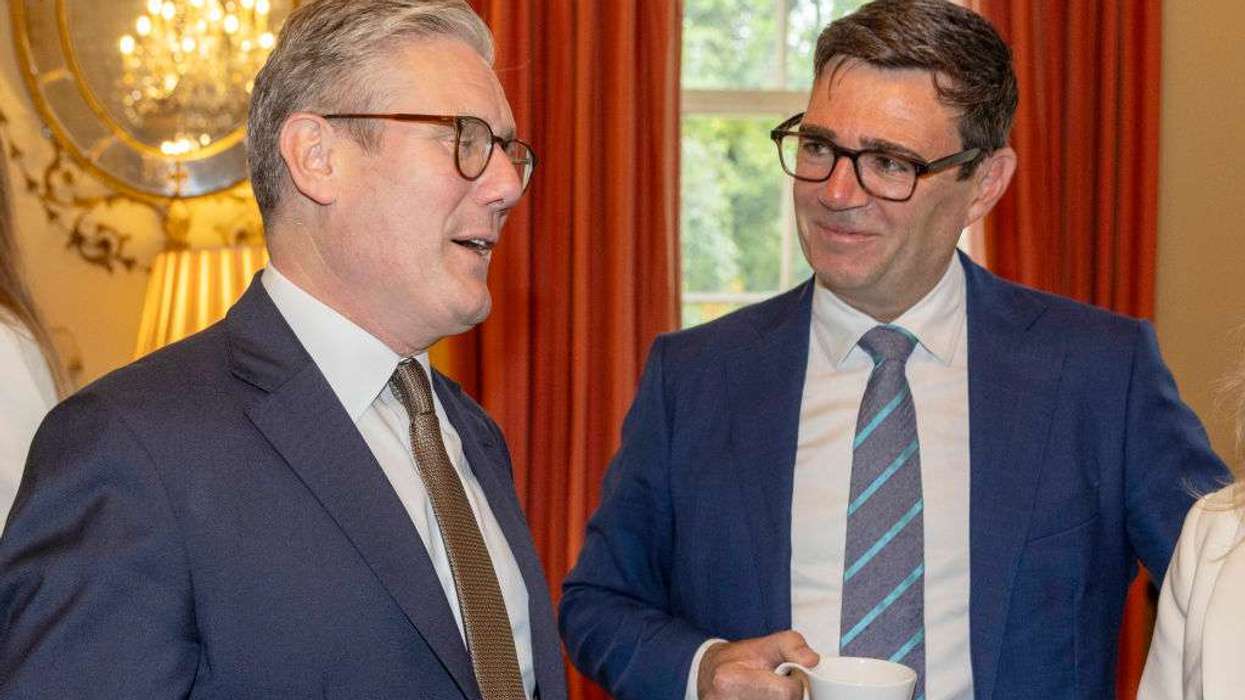 FILE PHOTO: Prime minister Sir Keir Starmer hosts the first roundtable of regional English mayors with Andy Burnham (R) mayor of Greater Manchester, at Downing Street on July 9, 2024 in London, England. (Photo by Ian Vogler - WPA Pool/Getty Images)