
Skip to content
Search

Latest Stories

Submit Guest Post

India criticises fossil fuel language in COP26 draft deal

India criticises fossil fuel language in COP26 draft deal

INDIA'S environment and climate minister, Bhupender Yadav, took aim at a draft deal at the United Nations climate summit on Saturday (13), saying he disagreed with the language on fossil fuel subsidies and that the draft lacked balance.

In one of the strongest criticisms of the COP26 draft deal, Yadav said developing nations had the right to use the remainder of the so-called global "carbon budget", or the amount of carbon dioxide the world can release before warming crosses the 1.5 degree Celsius threshold.


"Mr President thank you for your efforts to build consensus," he told Britain's COP26 president, Alok Sharma, at a so-called stocktaking plenary. "I am afraid, however, the consensus remained elusive.

"In such a situation, how can anyone expect that developing countries can make promises about phasing out coal and fossil fuel subsidies when developing countries have still to deal with their development agendas and poverty eradication?"

The issue of subsidies for oil, gas and coal has become a major sticking point at the summit, where negotiators have already missed a Friday deadline to strike an agreement aimed at keeping alive a goal to limit global warming to 1.5C.

Earlier, a new draft of the agreement negotiated over the past two weeks called upon countries to accelerate "efforts towards the phase-out of unabated coal power and inefficient fossil fuel subsidies".

On Friday, two sources close to the negotiations said China and Saudi Arabia were among a group of countries seeking to prevent the deal in Scotland from including language that opposes fossil fuel subsidies.

Yadav also criticised what he described as "lack of balance" in the agreement, an argument developing countries have made before when pushing for more money to better adapt their countries to deal with the effects of climate change.

(Reuters)

Add EasternEye As Your Trusted Source
preferred source on google news

More For You

Thatcher's Children: Burnham, Badenoch and the Battle for the Past

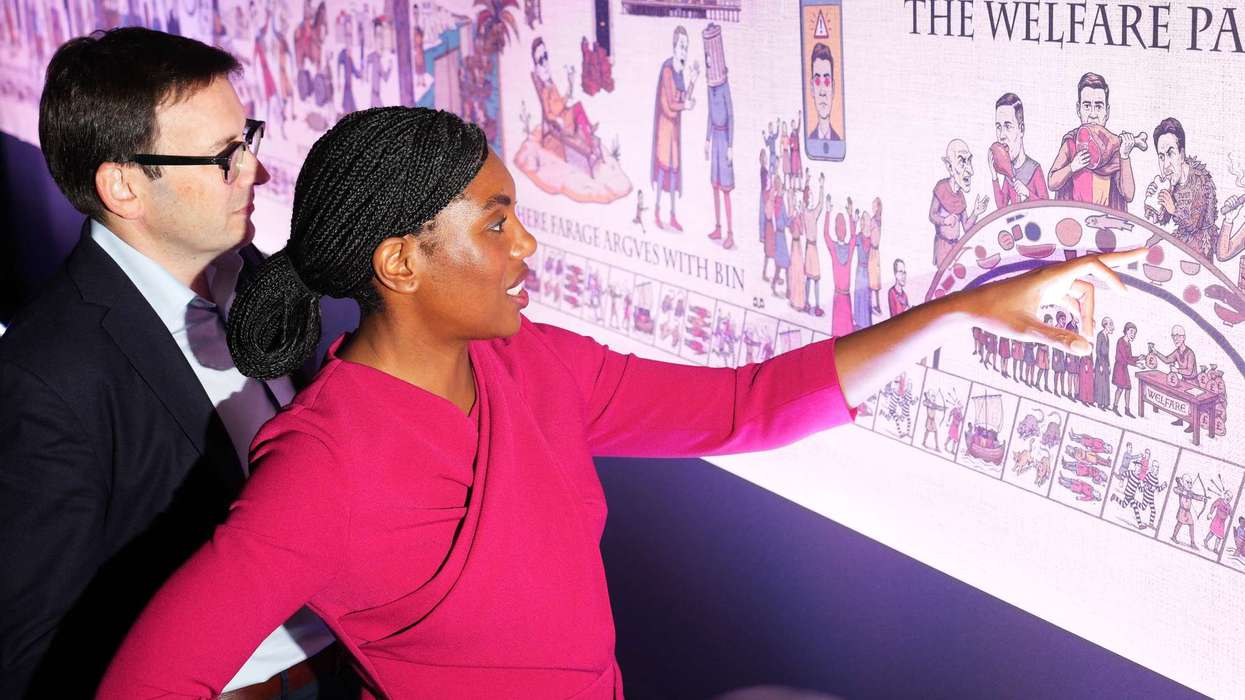
Conservative party leader Kemi Badenoch looks at a picture of 'The Birmingham Tapestry' a satirical view of current politics and depicting the government, on day two of the Conservative Party Conference at the International Convention Centre on October 05, 2026 in Birmingham, England.

(Photo by Christopher Furlong/Getty Images)

Thatcher's Children: Burnham, Badenoch and the Battle for the Past

THE Tory tribe gathering for the party's annual conference are sure this has been a good year for party leader Kemi Badenoch. The Birmingham Tapestry – a 25-metre pastiche of the British Museum's famous Bayeux exhibit created for the party conference – could even seem hubristic. Queen Kemi's leadership triumph is heralded in front of a wailing Robert Jenrick, cast out as a traitor, while Reform leader Nigel Farage argues with a bin by the sea. Depicting chancellor John Healey as a money-grabbing goblin risks satirical mockery tipping into something cruder.

The game of thrones back in 1066 was a three-way battle. So is today's battle for Downing Street. Badenoch is the first leader of the opposition since Michael Foot to face serious questions about whether she is the main alternative prime minister. The Conservatives fell behind Reform early in Badenoch's leadership, lagging in third for eighteen months, but are now closing the gap for second place again. It has been a comparatively good year for Badenoch because it has been much more turbulent for Farage. The progress of the past twelve months – with the leader's standing improving more than her party's – has mostly mitigated the retreat of Badenoch's first year. Polling guru John Curtice told a Birmingham fringe the Conservatives are still trailing where they were at their landslide general election defeat.

Keep ReadingShow less