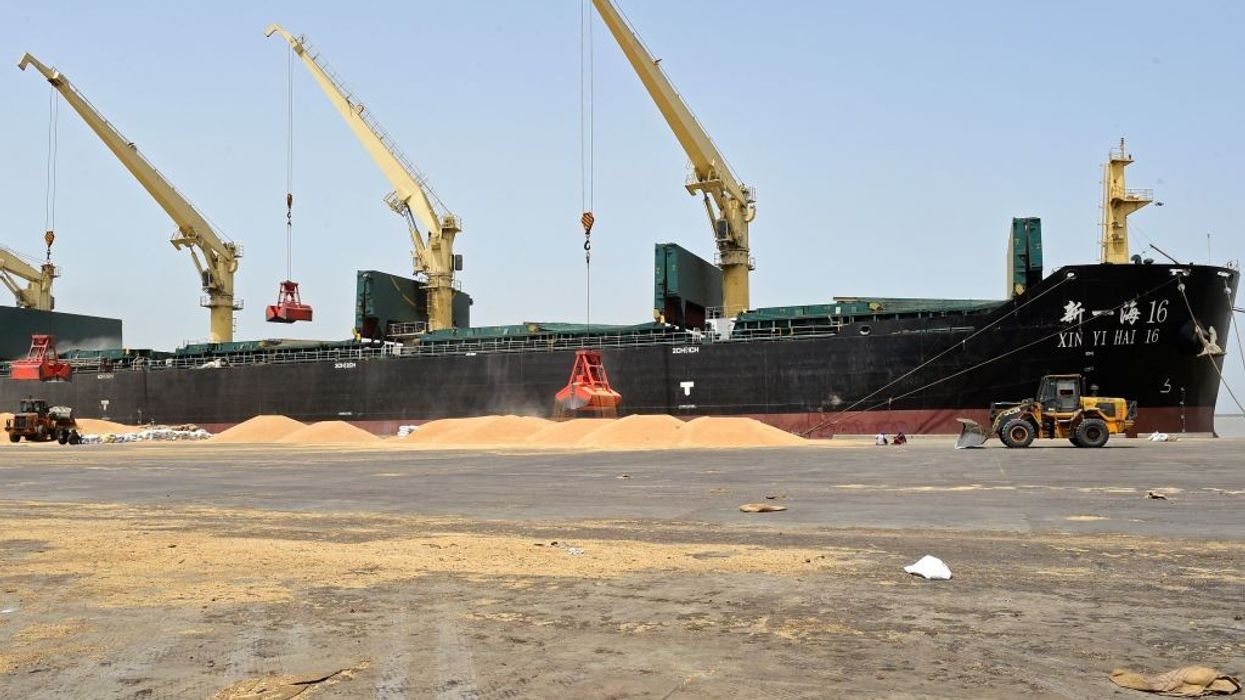

INDIA has withdrawn trading licences for oil tankers and bulk carriers that are more than 25 years old, its shipping regulator said, as the world's third-largest greenhouse gas emitter looks to cut emissions and reduce the average age of its fleet.
The order also bans acquisition of such vessels that are more than two decades old. Under current guidelines, vessels that are less than 25 years old can be acquired without any technical clearance.
"There is a need to modernise the Indian fleet, which requires extensive review of the requirements of the registration and operation of the ships," the directorate general of shipping said in the order uploaded on its website.
The average age of Indian fleet has been increasing in the recent years, bucking a global declining trend.
"Age norms will assist in ensuring gradual phasing out of fossil fuel ships and ushering in of alternate/low carbon energy efficient ships," the order said.
The regulation requires oil tankers older than 15 years to improve their working condition and subjects bulk carriers to additional checks to ensure adherence to high international standards.
Non-compliance would lead to cancellation of the vessels' trading license, according to the order.
The new norms would also apply to foreign vessels discharging in India, the regulator said, adding that existing vessels affected by the new cap on lifetime of operating vessels shall be allowed to sail for three more years, regardless of their current age.
India plans to offer cash subsidies, lower taxes and other incentives to bolster its shipbuilding industry. The moves include subsidies encouraging construction of new vessels, and incentives to build small vessels and promote battery-driven small vessels to cut carbon emissions.
India has around 35 shipbuilding companies, including some state-owned firms. Despite lower costs of manufacturing, local tax rules deter investment in India's shipping industry.
(Reuters)