
- IMF raises the UK's 2026 growth forecast to 1 per cent.
- UK emerges as one of the strongest-performing G7 economies in the latest outlook.
- IMF warns renewed conflict and AI market corrections could threaten global growth.
The International Monetary Fund (IMF) has raised its UK economic growth forecast, making Britain the only G7 economy to receive an upgraded outlook in its latest assessment. The revision comes as concerns over the economic fallout from the Middle East conflict appear to have eased, although the IMF says significant global risks remain.
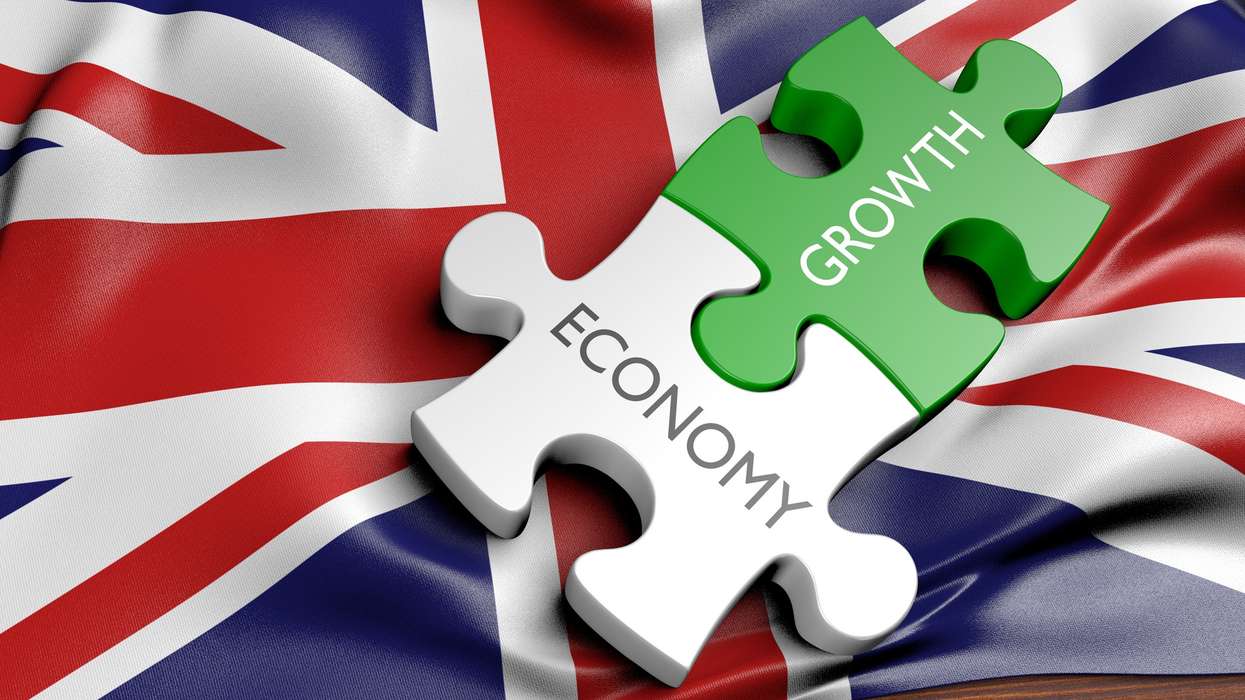
In its latest World Economic Outlook update, the IMF increased the UK's projected gross domestic product (GDP) growth for 2026 to 1 per cent, up from 0.8 per cent forecast in April. Growth for 2027 remains unchanged at 1.3 per cent.
UK outlook improves despite global uncertainty
The updated forecast places the UK among the faster-growing G7 economies next year, behind only the US, where growth is expected to reach 2.3 per cent, and Canada at 1.1 per cent.
The IMF's assessment was completed before the latest escalation in the Middle East, but it suggested the wider economic impact of the conflict may be less severe than initially feared. Falling oil prices following diplomatic efforts between the US and Iran have helped ease pressure on the global economy, although renewed uncertainty has emerged after US President Donald Trump reportedly said the ceasefire was "over".
The report also noted that inflation in the UK is expected to continue easing towards the government's 2 per cent target by the middle of 2027.
AI helps, but risks remain
The IMF left its global growth forecast broadly unchanged at 3 per cent for 2026 and 3.4 per cent for 2027. It said the rapid expansion of artificial intelligence and investment in technology had helped offset some of the economic impact of higher energy costs caused by the conflict in the Middle East.
However, the organisation warned that the outlook remains fragile.
It said a renewed escalation of the conflict could push commodity prices higher, disrupt supply chains and increase pressure on currencies. The IMF also warned that financial markets could face sharp corrections if expectations surrounding AI-driven growth fail to materialise, particularly in economies where technology companies account for a large share of stock market valuations.
The report added that countries heavily dependent on imported energy but with limited participation in global technology supply chains remain among the most vulnerable to future economic shocks.
Responding to the updated outlook, Chancellor Rachel Reeves reportedly said the UK's economic strategy had strengthened the country's ability to manage external shocks while supporting long-term growth through investment in artificial intelligence, regional development and closer trade ties with the European Union.