
A LEADING British Muslim leader has called for unity after a violent attack outside a synagogue in Manchester left two people dead and three badly injured on Thursday (2).
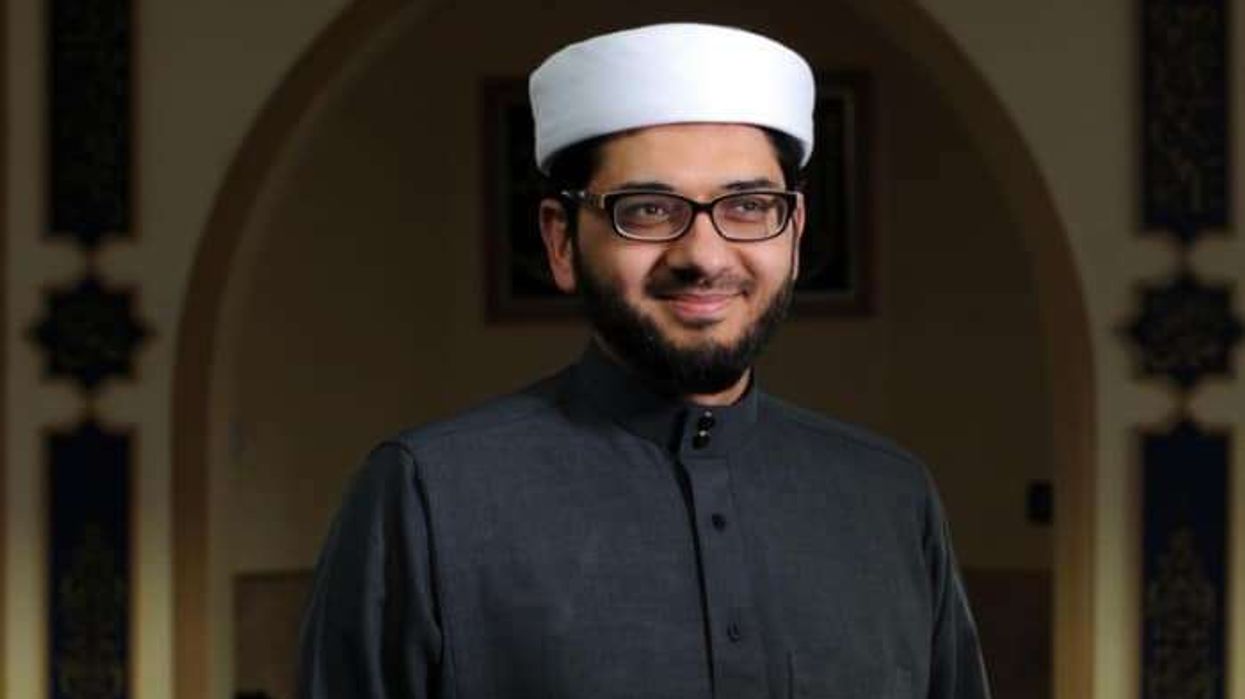
Imam Qari Asim, co-chair of the British Muslim Network and Imam of the Makkah Mosque in Leeds, described the assault on worshippers at the Heaton Park Hebrew Congregation Synagogue as “utterly abhorrent” and said antisemitism must be confronted with “unity and courage, not silence”.
“I am horrified by the violent attack outside Heaton Park Hebrew Congregation Synagogue in Manchester on Yom Kippur,” he said in a statement. “My thoughts are with the victims, their families and the British Jewish community, who are understandably shaken and hurt.”
He stressed that places of worship “must always be sanctuaries of peace and safety — not scenes of fear and hatred” and urged all faith communities to reject the rise of religious hatred in Britain.
“As a British Muslim leader let me be clear — antisemitism in all its forms is totally unacceptable,” he said. “The bloodshed and violence in the Middle East must not be allowed to poison our streets in Britain. British Jews, British Muslims, and all communities must be able to live together without violence, intimidation and the fear of being targeted because of their faith.”
He also called on communities to remain vigilant, particularly around places of worship, warning of the risk of reprisals. “Together, we must reject hatred, resist division, and reaffirm our shared commitment to peace, human dignity, and coexistence,” he said.
The incident took place on Thursday morning as Jewish worshippers gathered to mark Yom Kippur, one of the holiest days in the Jewish calendar.
Police said a car was driven into people outside the synagogue before the suspect attacked others with a knife. Armed officers responded swiftly and shot the man believed to be responsible.
Greater Manchester Police declared a major incident shortly after 9.30am in the Crumpsall neighbourhood. Officers said two people were killed, while three others remained in serious condition.
The suspected attacker was also believed dead, although police initially held back confirmation because of “suspicious items on his person”. A bomb disposal unit was called to the scene.
Prime minister Keir Starmer called the attack “horrific” and announced that security would be stepped up at synagogues across the country. He cut short his attendance at a European summit in Copenhagen to return to London and chair an emergency security meeting.
King Charles and Queen Camilla also issued a statement, saying they were “deeply shocked and saddened” by the violence “on such a significant day for the Jewish community”.
The attack came just days before the second anniversary of the October 7, 2023 Hamas raids on Israel, which led to a devastating conflict in Gaza and heightened tensions in Britain.