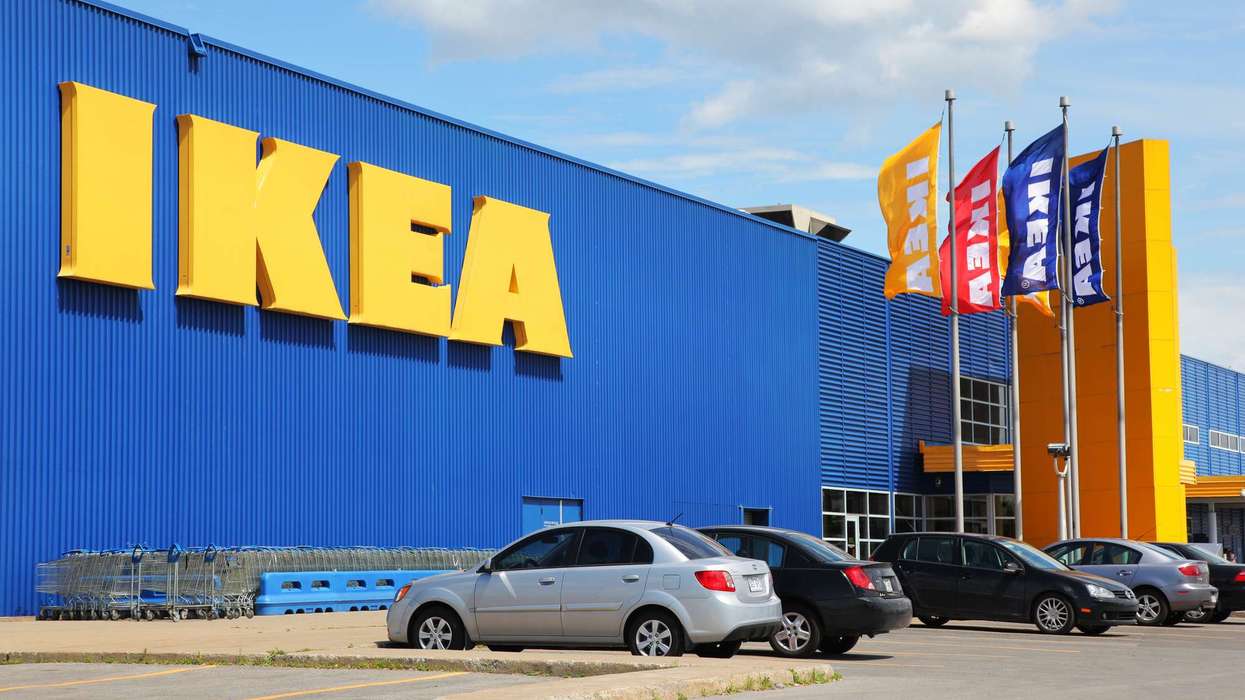

- Ikea is putting €1.2bn into lowering prices across European markets as shoppers face rising living costs.
- More than 1,500 products have been reduced in Germany, while popular ranges including Kallax and Billy are cheaper in the UK.
- The strategy comes after two consecutive years of falling revenue as Ikea tries to bring cost-conscious shoppers back.
Ikea is cutting prices across Europe — but the move is about much more than giving shoppers a cheaper Billy bookcase or Kallax shelf.
The Swedish furniture giant is investing €1.2bn in price reductions as households struggle with the rising cost of living and housing. The pressure has also made it harder for people to move home, reducing some of the spending that normally comes with furnishing a new property.
The strategy is aimed at attracting shoppers who are still spending, but thinking much harder about where their money goes.
Juvencio Maeztu, chief executive of Ingka, Ikea’s biggest retailer, said the cost of living was making things increasingly difficult for many people. He noted that for some consumers, home may now mean living in a shared house, increasing the need for affordable storage and practical home solutions.
The price reductions began on September 1 across hundreds of products and vary between markets.
In Germany, Ikea’s biggest market by revenue, more than 1,500 products have been reduced. The Poang chair, for example, has fallen to €119 from €179.
In the UK, the Kallax shelving unit has dropped to £49 from £60, while the Alex drawer unit has fallen to £55 from £70.
Ikea is trying to solve a demand problem
The timing of the cuts is significant.
Ikea has experienced two consecutive years of declining revenue, making the latest investment a major attempt to stimulate demand rather than a short-term promotional campaign.
The company says it is prepared to accept lower margins to keep prices affordable.
There is also a practical reason Ikea believes it can lower prices without simply absorbing the entire cost.
Inter Ikea, which owns the Ikea concept and supplies its franchisees, is reducing purchasing prices for European retailers. The retailers are then putting additional funding behind the cuts to lower prices for customers.
The company has also been looking for ways to reduce the cost of making and transporting its products.
A redesign of the Pax wardrobe range, for instance, reduced packaging costs by 70 per cent. Greater automation and increased use of renewable energy have also helped reduce costs, according to Inter Ikea chief executive Jakub Jankowski.
Europe remains a major manufacturing and sourcing base for Ikea, with Poland, Italy, Lithuania and Germany among its key sourcing countries.
Cheaper furniture, but a bigger bet on the consumer
The price cuts are also changing how Ikea reaches shoppers.
Since January, the company has opened seven smaller stores across Europe, moving away from its traditional large out-of-town stores.
That suggests Ikea is responding to a consumer who may have less money, less space and less willingness to make a major shopping trip for furniture.
The strategy builds on price reductions introduced during the 2024 financial year, when Ikea cut prices on thousands of products. The company said those reductions helped increase store visits and transaction volumes.
But lower prices come with a trade-off.
Ikea is effectively betting that selling more products at lower prices will compensate for the pressure on margins. At the same time, the company is simplifying operations and reducing costs to make that equation work.
Inter Ikea eliminated 850 jobs in May as part of a wider effort to simplify its operations and reduce costs.
The company is also deploying a separate €70m across North America and Asia to help manage currency volatility and inflation.
For European shoppers, the immediate result is straightforward: furniture is getting cheaper.
For Ikea, however, the bigger test is whether those lower prices can persuade households squeezed by housing and living costs to start spending on their homes again.