
- A return flight to Alicante could cost an extra £150 by 2050 under the proposed approach.
- A return trip to New York could cost up to £400 more.
- The Climate Change Committee says Heathrow expansion must be matched by stronger action to cut aviation emissions.
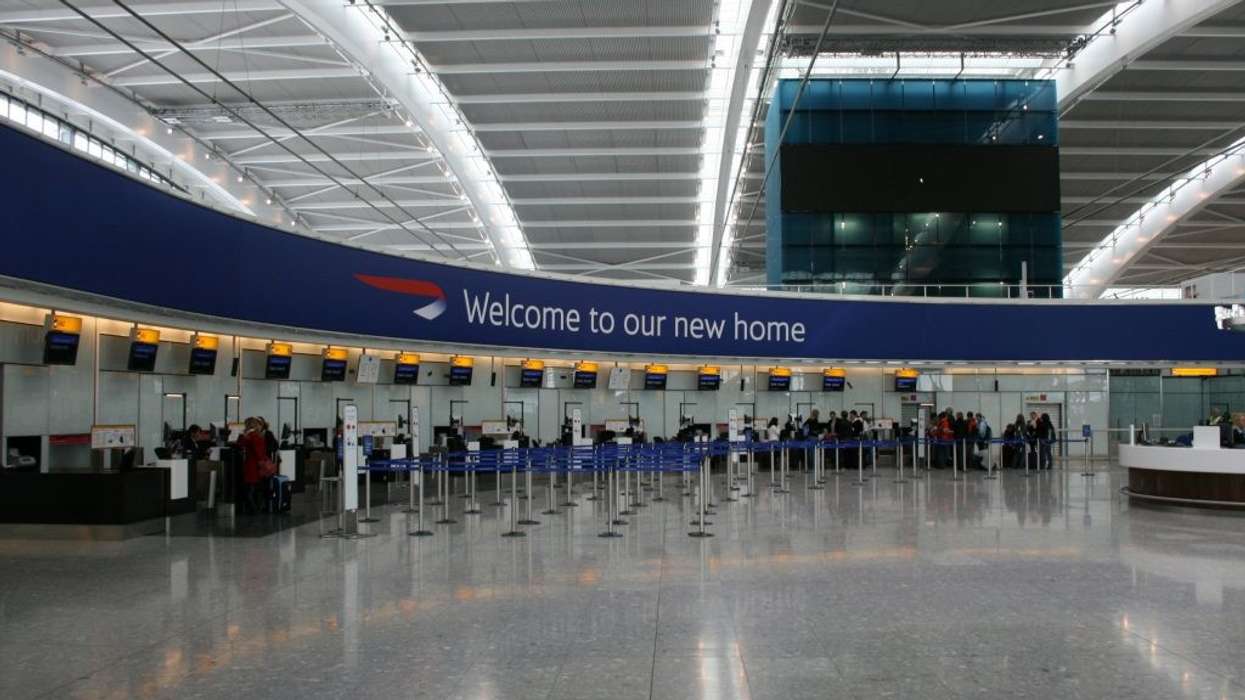
Heathrow's proposed third runway could eventually make flying more expensive for passengers, with the UK's climate advisers warning that airlines may need to pass the cost of cutting aviation emissions on to travellers.
The Climate Change Committee (CCC) said Heathrow expansion could breach the UK's carbon budgets and make the 2050 net zero target impossible under current policies. It said expansion could only be compatible with the UK's climate commitments if the aviation industry became more efficient, increased its use of sustainable aviation fuel and paid for the permanent removal and storage of carbon from the atmosphere.
That could eventually show up in the price of a plane ticket.
The CCC estimates that the cost of bringing aviation emissions down to net zero could add around £150 to a return flight to Alicante by 2050. For a return flight to New York, the additional cost could reach around £400.
The figures are estimates for the next 25 years rather than an immediate increase in fares. The committee expects the costs to be introduced gradually as airlines invest in cleaner fuels and carbon removal.
The passenger could end up paying
The proposal is based on a simple principle: if aviation expands, the industry should also pay for the emissions produced by that growth.
Nigel Topping, chair of the CCC, said the government should require the aviation industry to deal with all of its emissions by 2050, either through direct reductions or by buying engineered carbon removals.
“The polluter-pays principle must apply,” he reportedly said.
The committee expects airlines to pass at least some of those costs on to passengers through higher ticket prices. That could have another effect: more expensive flights could reduce demand for air travel, while the money raised could help fund emissions reductions.
The CCC also highlighted the uneven distribution of flying. In England, the highest-income group accounted for 38 per cent of overseas flights in 2024, four times the number taken by people in the lowest-income group.
Frequent flyers made up only around 5 per cent of the population but accounted for about a third of all flights, according to National Travel Survey figures.
That has prompted discussion about whether people who fly more often should carry a greater share of the cost. The CCC considered the inequalities involved but stopped short of recommending a frequent flyer levy.
The third runway question
The debate comes as plans for Heathrow expansion continue to attract attention from ministers, environmental campaigners and the aviation industry.
The CCC said aviation has become too large for its emissions to be offset simply by cuts in other parts of the economy. Passenger demand has risen from around 100 million passengers in 1990 to about 300 million in 2025, while aviation now accounts for around 9 per cent of UK emissions.
James Richardson, director of analysis at the CCC, said the industry's decades-long growth and expected future demand meant aviation could no longer rely on other sectors to make the necessary emissions cuts.
Campaigners have questioned whether sustainable aviation fuel and engineered carbon removals can scale quickly enough to support airport expansion while keeping the UK on track for net zero.
Tony Bosworth of Friends of the Earth said the CCC had not gone far enough.
“The CCC should have made it crystal clear: there is no plausible way to expand Heathrow without wrecking the UK’s climate targets,” he said, as quoted in a news report.
The aviation industry has taken a different position. Tim Alderslade, chief executive of Airlines UK, said the transition needed to remain affordable and pointed to investment in newer aircraft, sustainable aviation fuel and airspace improvements.
“You can’t solve the climate crisis by pricing Britain out of the skies,” he reportedly said.
Heathrow has also said expansion should deliver both economic growth and net zero, arguing that key technologies are already available and that billions of pounds raised through existing carbon taxes could help support the transition.
A Heathrow spokesperson said: “Heathrow expansion cannot be a choice between economic growth and net zero – it must deliver both.”
The government is not required to accept the CCC's advice. A Department for Transport spokesperson said any Heathrow expansion proposal would have to align with the UK's net zero targets.
The department said the government is investing £219 million in sustainable aviation fuel production and a further £43 million in cleaner aviation technologies. It also said expansion could deliver around £40 billion to the economy and support up to 60,000 local jobs.
For passengers, however, the debate could eventually come down to a much simpler calculation: how much is a bigger Heathrow worth if the flight itself costs considerably more?