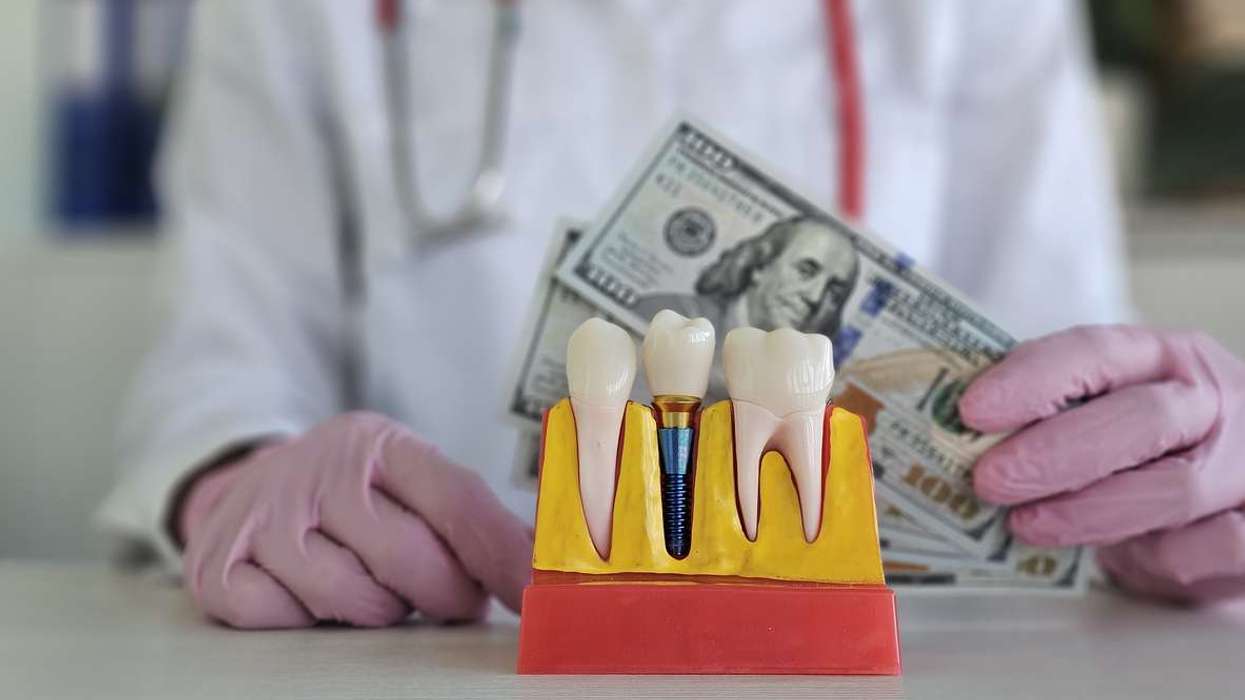

One of the first questions patients ask when considering dental implants is also one of the hardest to answer without a proper evaluation: how much does it cost? The truth is that dental implants cost varies significantly based on the type of procedure, the number of implants required, the materials used, and the experience of the surgeon. Understanding the factors that drive pricing can help you make a more informed decision.
Single Implants vs. Full Arch Restoration
The cost of a single dental implant is very different from the cost of a full arch restoration. Full arch restoration — replacing all teeth in the upper or lower jaw, or both — involves a more complex procedure and a higher investment. However, when compared to the lifetime cost of maintaining dentures, managing dental decay, and addressing the bone loss that accelerates with tooth loss, full arch implants often represent a more cost-effective long-term solution.
What Drives the Cost of Full Arch Implants?
Several factors influence the cost of full arch dental implants. The number of implants placed, the type of prosthetic arch selected, the complexity of the case, and whether any preparatory procedures are required all affect the final price. At Golpa NexGen Smiles in Las Vegas, Dr. Mike Golpa provides transparent, case-based pricing after a comprehensive evaluation. The practice does not contract with insurance, but financing options are available through third-party partners.
The Value of In-House Fabrication
One factor that affects both cost and quality is whether the practice fabricates prosthetics in-house or outsources to an external lab. Golpa NexGen Smiles designs, mills, and delivers every prosthetic in-house, which gives Dr. Golpa direct control over quality and allows for faster turnaround. The NexGen Ultra Bridge — a premium zirconia arch reinforced with a precision-milled titanium framework — is one of the prosthetic options available, offering exceptional durability and aesthetics.
Is It Worth the Investment?
For patients who have been living with dentures, failing teeth, or the limitations of missing teeth, the answer is almost always yes. Full arch dental implants restore full function, prevent bone loss, and provide a permanent solution that does not require the ongoing maintenance and replacement costs associated with dentures. The practice's AAAHC accreditation and Dr. Golpa's decades of experience mean that patients are investing in outcomes backed by rigorous safety standards and a proven clinical track record.
Celebrity patients including Diamond Dallas Page and Joe Gannascoli have both chosen Golpa NexGen Smiles for their full arch restorations — a reflection of the quality and confidence that the practice inspires among patients who demand the best.
Getting a Real Number
The only way to get an accurate cost estimate for dental implants is through a proper evaluation. Golpa NexGen Smiles offers virtual consultations that allow the team to review your records and provide a preliminary cost estimate before you commit to traveling to Las Vegas. It is the most efficient way to understand what the investment looks like for your specific situation.
This article is paid content. It has been reviewed and edited by the Eastern Eye editorial team to meet our content standards.