
In today’s multimedia world, shaped increasingly by AI-driven technology, a cultural shift is unmistakable. Many of us live amid constant consumption – endless deliveries, perpetual selfies, and ongoing digital conversations, as though identity itself depends on being continuously recorded and validated.
It got me thinking.
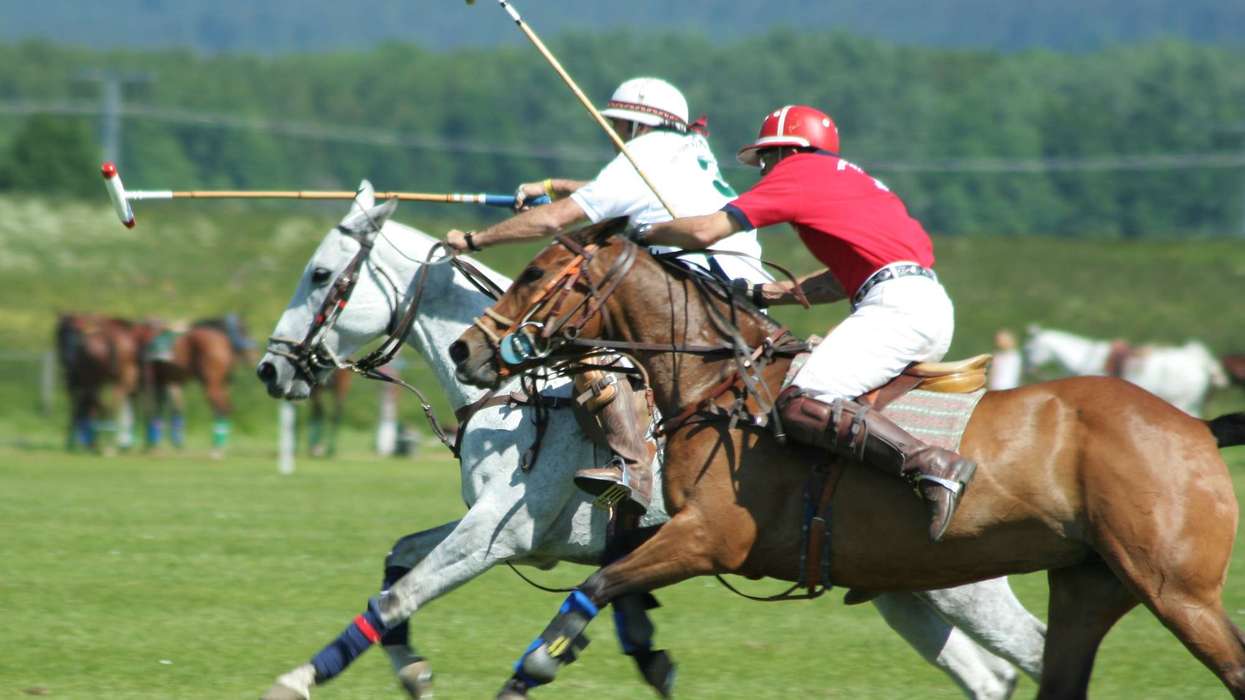
There are rare moments when tradition stops being abstract and becomes something you can see, hear, and almost touch. Last Friday evening at Ham Polo Club, celebrating its centenary, was one such moment. I had been commissioned to write a poem for the occasion, which felt fitting. Poetry and polo share a reliance on rhythm, discipline, and a respect for form – qualities that can only be developed over time.
And time, of course, is everything.
Polo is not a relic. It is a living tradition. What appears effortless from the sidelines is in fact built on years of training, repetition, and trust between horse and rider. It is a sport that resists haste. You cannot reinvent it each season without losing its essence.
What struck me most was not simply the milestone of a hundred years, but the sense of continuity. A century is not a slogan – it is a chain of people, animals, habits, and values carried forward with care. That kind of cultural endurance is increasingly rare.
There is also something genuinely genteel about polo – but not in a superficial sense. Its elegance lies in discipline. The immaculate grounds, the control of the horses, the etiquette between players – all depend as much on restraint as skill. Even the spectators contribute: summer dresses, dark blazers, relaxed confidence. It is not about uniformity, but shared understanding – a quiet social language.
One wonders how often policymakers, so quick to discuss ‘culture’ in abstract terms, would recognise it when it is actually lived.
Because beneath polo’s elegance lies a deeper history.
The sport originated in India, where it was fast, demanding, and closely tied to cavalry life. That history is not distant to me as a Hindu. My son is training to play professionally, continuing an equestrian line that stretches back to his great-grandfather in what is now Lahore. This is not nostalgia – it is lived inheritance.
Which is why tradition matters.
Today, culture is often described as fluid, negotiable, even disposable. Of course, cultures evolve. But evolution is not the same as erasure. Too often, tradition is treated as something to be updated or set aside if it does not align with contemporary language.
Yet culture only has meaning if it is carried forward.
Tradition is not opposed to progress; it is what makes progress intelligible. Without it, societies become oddly weightless – always moving, but with no clear sense of origin. The real danger is not change, but forgetting what change is changing.
Places like Ham Polo Club matter because they embody this balance. They are not museums but living environments. The game continues, the rules endure, and nothing essential is discarded lightly.
Maintenance, then, is not nostalgia – it is responsibility.
A society unsure of its traditions will struggle to define itself. Preserving heritage – whether sporting, artistic, or cultural – is not exclusionary. It is continuity. It affirms: this is where we come from. This is who we are.





 Government of India
 International Maritime Bureau
 Amb Pinak Ranjan ChakravartyEastern Eye