
GOOGLE CEO Sundar Pichai and his Microsoft counterpart Satya Nadella have assured help to India as the country grapples with a ravaging coronavirus crisis that has put enormous pressure on its hospitals due to a shortage of beds, oxygen and medical supplies.
India logged a record of 3,52,991 new coronavirus infections on Monday (26), taking its total tally of Covid-19 cases to 1,73,13,163. The death toll increased to 1,95,123 with a record 2,812 daily new fatalities, according to the union health ministry data
"Devastated to see the worsening Covid crisis in India. Google & Googlers are providing Rs 135 crore in funding to @GiveIndia, @UNICEF for medical supplies, orgs supporting high-risk communities, and grants to help spread critical information," Indian-origin Google CEO Pichai said in a tweet.
In another tweet, Microsoft's Indian-origin CEO Nadella said that his company will continue to use its resources and technology for relief efforts and support for buying oxygen devices.
Nadella said he was "heartbroken" by the current coronavirus situation in India.
"I am heartbroken by the current situation in India. I'm grateful the US government is mobilising to help. Microsoft will continue to use its voice, resources, and technology to aid relief efforts, and support the purchase of critical oxygen concentration devices," he said.
US president Joe Biden and vice president Kamala Harris have assured India and its people of providing all assistance, including urgently sending necessary medical life-saving supplies and equipment, to help the country combat the deadly coronavirus crisis.
"Just as India sent assistance to the United States as our hospitals were strained early in the pandemic, we are determined to help India in its time of need," Biden said in a tweet.
"The US is working closely with the Indian government to rapidly deploy additional support and supplies during an alarming Covid-19 outbreak. As we provide assistance, we pray for the people of India, including its courageous healthcare workers," Harris tweeted.
At the JFK Airport in New York, 318 Philips Oxygen Concentrators were loaded on to an Air Indian plane headed to New Delhi.
This week, US Chambers of Commerce has scheduled to host a CEO delegation meeting with Secretary of State Tony Blinken, followed by an industry briefing on April 27 on India's Covid-19 crisis and how the business community can help.
Meanwhile, several Indian-American organisations have also launched fundraising campaigns to fight the pandemic in India.
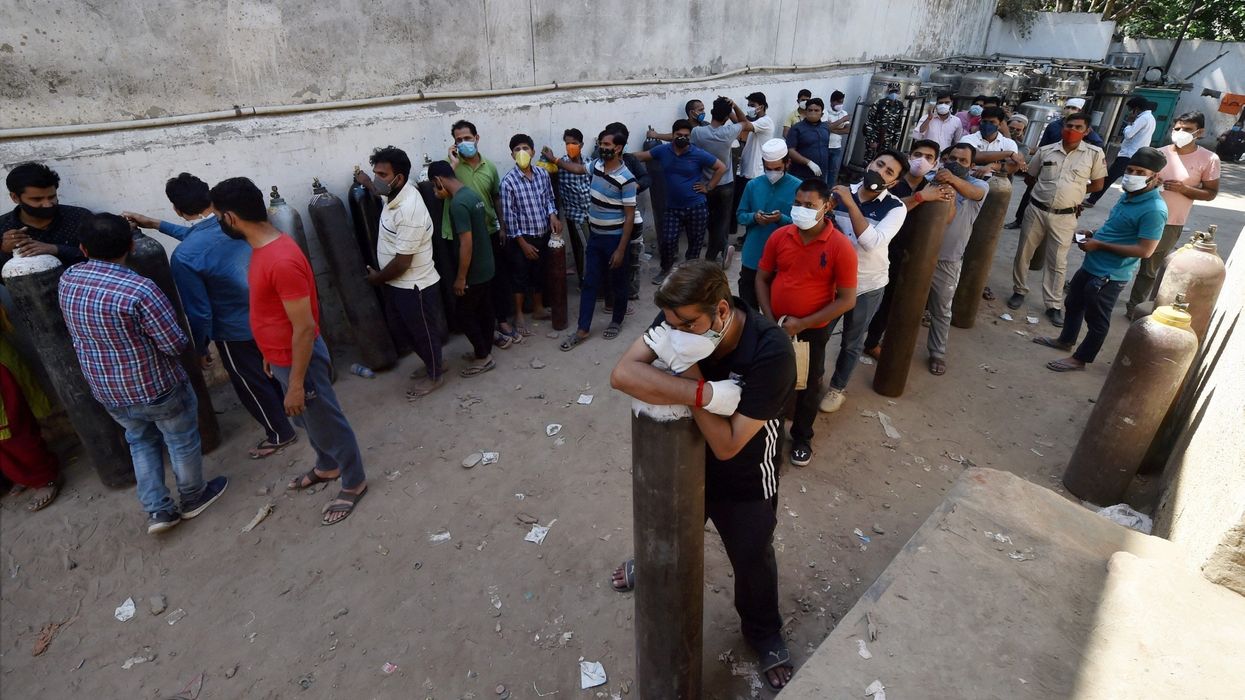
India is struggling with a second wave of the pandemic with more than 3,00,000 daily new coronavirus cases being reported in the past few days, and hospitals in several states are reeling under a shortage of medical oxygen and beds.
To address the growing demand for oxygen in India, the government has reached out to various countries to procure containers and oxygen cylinders.