
- Gold and silver extended steep losses after last week’s sharp sell-off.
- Markets reacted to Donald Trump’s pick for the next US central bank chair.
- Pressure spread across crypto, oil and equities in Asia and Europe.
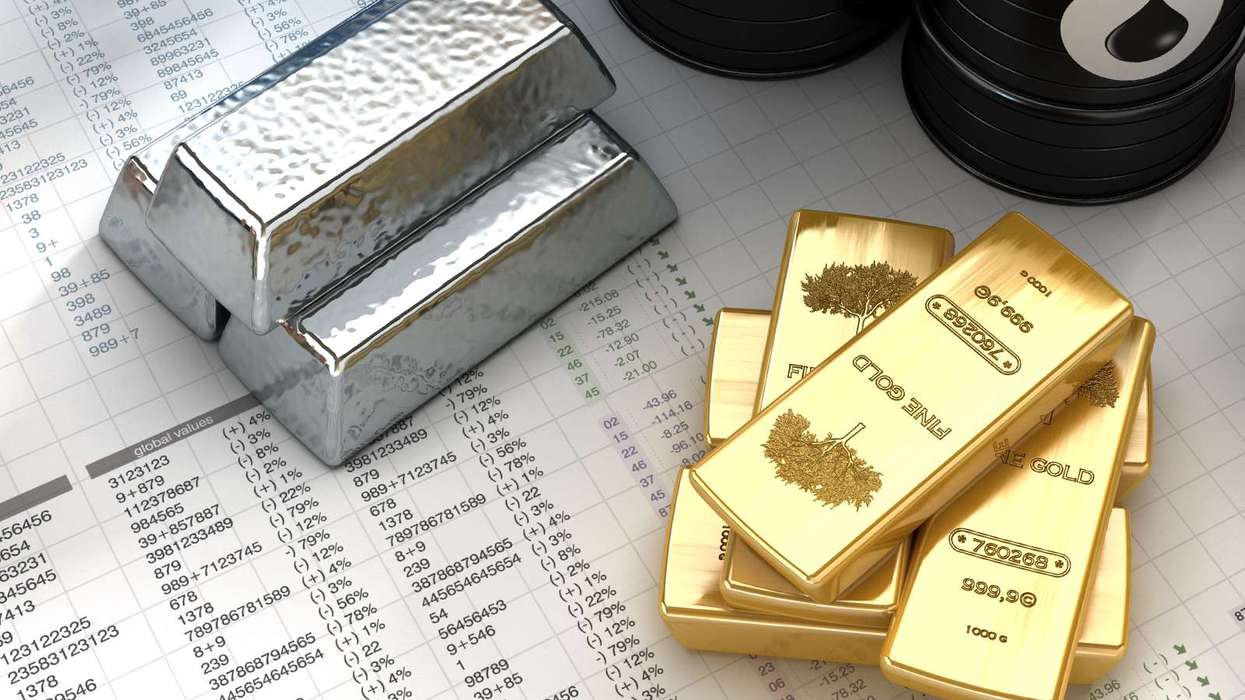
Gold and silver prices fell further on February 3, extending a rout that began at the end of last week. Both metals had been trading at record levels on January 30, before sliding sharply after Donald Trump revealed his preferred nominee to lead the US central bank.
Spot gold was down another 7 per cent in early trading, hovering around £3,495 an ounce ($4,480). Silver dropped close to 11 per cent, taking it to about £58 an ounce ($73.94), after plunging nearly 30 per cent in the previous session. During the rally before the sell-off, gold had touched roughly £4,364 ($5,594.82) an ounce, while silver peaked near £95 ($121.64).
The trigger for the sudden shift in sentiment was the announcement that Trump wants Kevin Warsh to succeed Jay Powell as chair of the Federal Reserve from May. The move reportedly eased immediate concerns around central bank independence, but also prompted markets to rethink the future path of monetary policy.
Why investors are stepping back
Market watchers say the scale of the fall has been amplified by technical factors. Some brokerages reportedly raised margin requirements, increasing the cash investors need to maintain leveraged positions. In volatile conditions, that often forces traders to sell assets quickly to meet margin calls, adding to downward pressure.
The sell-off was not limited to precious metals. Cryptocurrencies also came under strain, with Bitcoin slipping below £58,600 ($75,142), its lowest level since April. Oil prices weakened too, with Brent crude easing to around £51 a barrel ($65), down from about £55 ($70) last week.
Equity markets reflected the cautious mood. Asian stocks closed lower, with Hong Kong’s Hang Seng ending the session 2.3 per cent down. In early European trade, the FTSE 100 slipped 0.5 per cent, weighed by losses in mining and energy shares. US futures pointed to a fall of around 1 per cent for the S&P 500.
Analysts say much of the unease stems from expectations around Warsh’s policy stance. Ipek Ozkardeskaya, senior analyst at Swissquote, reportedly said markets are focused on his past criticism of Federal Reserve decisions. She noted that he is expected to favour reducing the Fed’s balance sheet to tackle inflation.
According to her comments, as quoted in a news report, the balance sheet stood below $1 trillion before 2008, rose to nearly $9 trillion in 2022, and is now around $6.5 trillion. A more aggressive unwind, she suggested, could signal an end to years of abundant liquidity, something markets have grown used to.
For now, investors appear to be recalibrating rather than panicking, but the sharp moves show how sensitive global markets remain to shifts in US monetary policy expectations.