
Highlights
- 31% of Gen Z Brits say they have fallen in love with someone they met on a flight
- 34% admit to flirting with a stranger while flying
- Only 12% of Brits now believe dating apps are a good way to meet a partner
Gen Z take romance offline
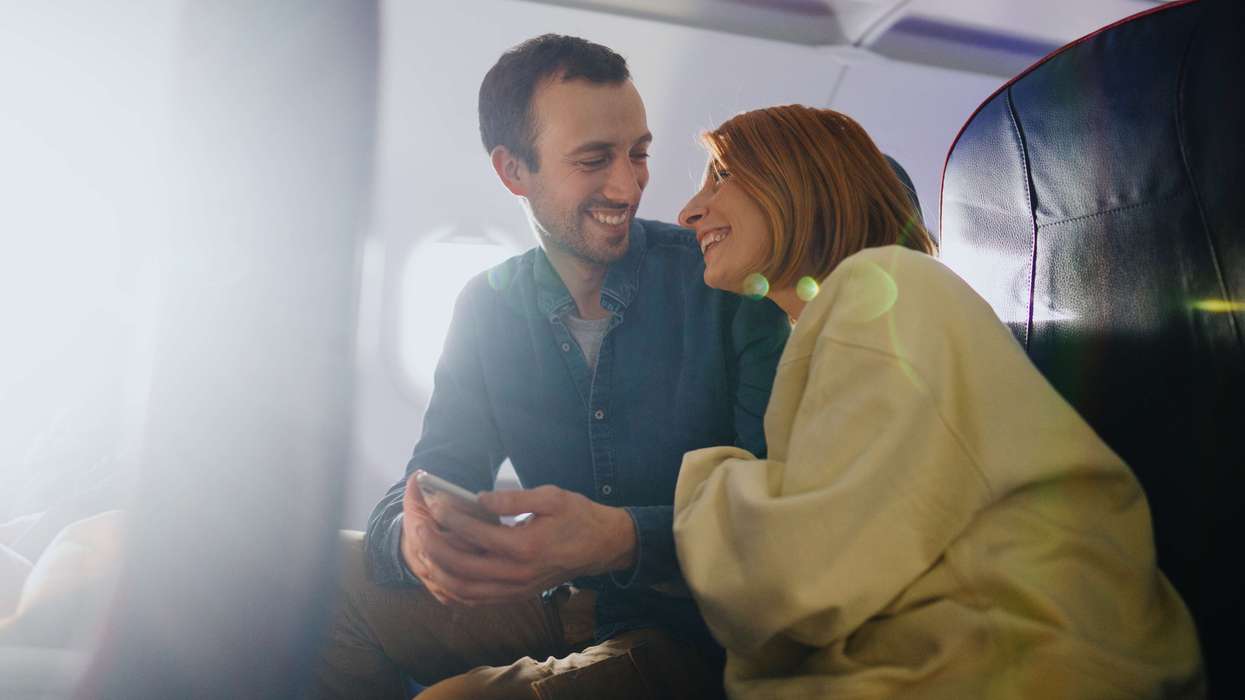
Gen Z Brits are increasingly stepping away from dating apps and forming connections face to face, with air travel emerging as an unlikely setting for modern romance, according to new research from Icelandair.
The survey of 3,000 UK adults found that 31 per cent of Gen Z respondents say they have fallen in love with someone they met on a flight, making them the generation most likely to find romance at 30,000 feet.
The findings suggest a shift in how younger travellers approach dating, prioritising shared experiences and spontaneous interaction over algorithm-led matching.
Flirting thrives in ‘airplane mode’
Despite growing up online, Gen Z appear most confident when it comes to offline flirting. More than a third (34 per cent) of Gen Z Brits said they have flirted with a stranger on a plane, outpacing Millennials and older age groups.
Across all respondents, 24 per cent said they had felt a romantic or emotional connection with someone they met during a flight, while the same proportion admitted to flirting mid-air. Airports and aircraft cabins also appear to heighten attraction, with 25 per cent saying people seem more attractive while travelling.
Dating apps lose their appeal
As in-person encounters rise, confidence in dating apps continues to fall. Just 12 per cent of respondents now believe apps are an effective way to meet a romantic partner, with social settings and travel ranking higher.
For Gen Z, the move away from swiping appears linked to a desire for more natural interaction, where conversation develops without profiles or prompts.
From mid-air meeting to marriage
The idea of romance on flights is not limited to survey data. Icelandair has already played a role in one real-life love story that began onboard.
Sasha Ebrahimi and Daniel Gutierrez met as strangers on an Icelandair flight from Denver to London in spring 2022. Instead of sleeping through the journey, they spent the flight talking and stayed in touch after landing.
Speaking later to People magazine, both recalled an immediate connection. Just over a year later, they were married in August 2023.
Why travel makes connection easier
Nearly half of respondents (49 per cent) said friendly, natural conversation is the best way to build a connection on a flight, followed by being mindful of personal space (38 per cent) and keeping interactions respectful (37 per cent).
Certified relationship coach Gemma Nice says flying can lower social barriers by removing daily routines and digital distractions, making people more open to genuine conversation.
Travel as a dating space
While social occasions remain the most common place to meet a partner, travel ranks second overall. Among respondents, 25 per cent said volunteer travel offers the strongest chance of meeting someone, followed by solo travel (18 per cent) and work trips (18 per cent).
As Valentine’s Day approaches, the findings suggest Gen Z Brits are rewriting the rules of modern dating — turning airplane mode into an opportunity for real-world connection.