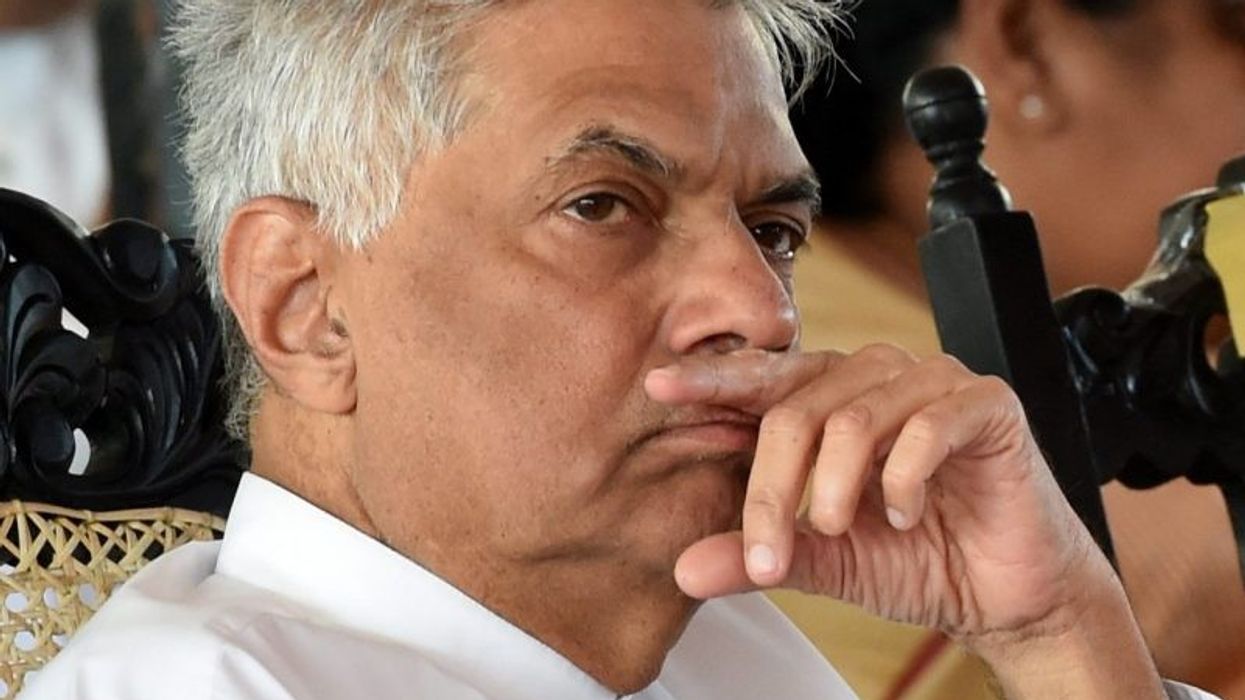

A recent study shows that football clubs play a crucial role in uniting communities and tackling social division.
Conducted by the integration think tank British Future, the study highlights football's ability to foster pride across different social groups.
Research for the 'Shared Goals' project, involving clubs like Brentford FC and Huddersfield Town, emphasises football's power in strengthening local identities.
"Football has a unique power to reach across divides in our diverse society, uniting people around a shared identity and pride in the place where they live," Jake Puddle, a researcher at British Future said.
Eighty per cent of those who attend live games see their local professional football club as an important part of their local identity, and nearly four in ten people (37 per cent) who don’t regularly attend games agree.
The findings also show that nearly six in ten adults (57 per cent) in Britain support a football team and nearly four in ten (37 per cent) support their local club.
The study shows that club football spans ethnic divides, with 55 per cent of Asian adults and 70 per cent of black adults supporting a team. Support also ranges across political divides and includes people with different views about migration and diversity.
Whether attending live matches or following their teams from afar, fans across demographics view their clubs as symbols of pride and unity. "The findings have underlined the importance of inclusion to our fans and the sense of pride they have in the club," said Rhiannon Maher, equity, diversity & inclusion manager at Brentford FC.
Seven in ten people who attend live matches and 44 per cent of armchair fans agree that “I would feel I had more in common with somebody if I knew they supported my local professional football club,” the study finds.
However, there's room for improvement, particularly in ensuring inclusivity for ethnic minorities. Ethnic minorities, in particular, express concerns about inclusivity within football environments.
To address these challenges, the study recommends enhancing communication of inclusive values and promoting family-friendly experiences at stadiums.
The study's findings paint a compelling picture of football clubs as agents of social change, bridging divides and fostering inclusivity within communities.




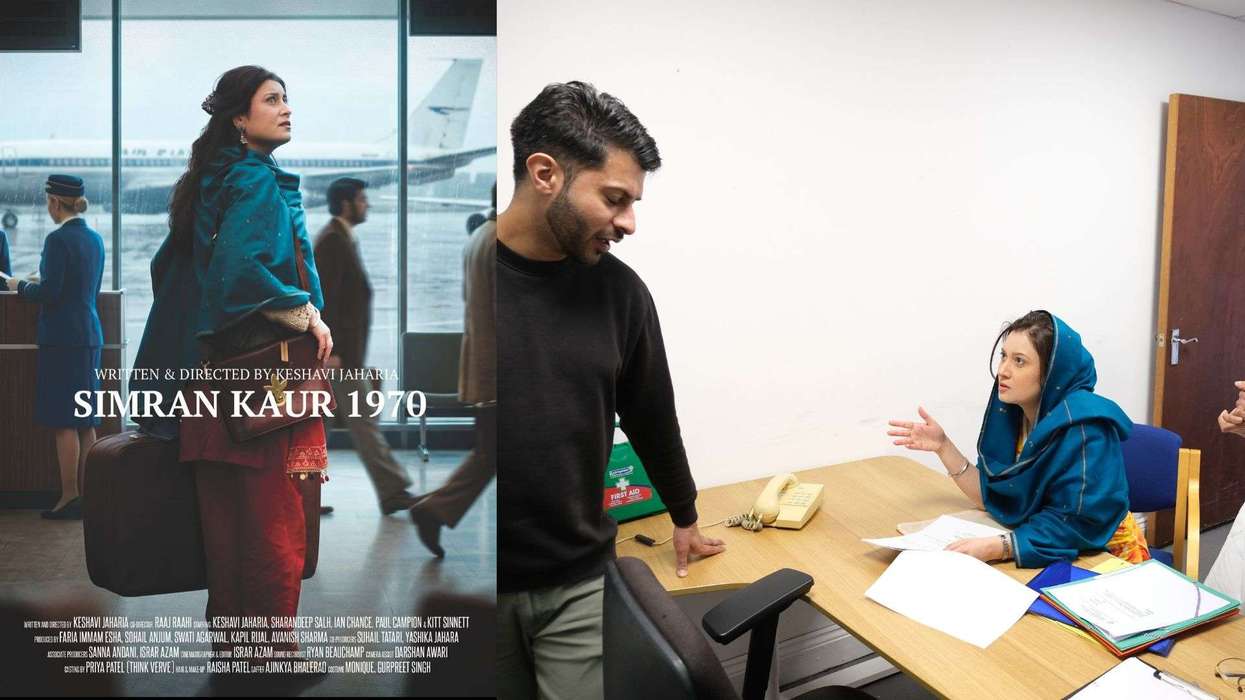
 A still from the film showing nurse interacting with Simran Kaur for the virginity test.Google Drive
 Keshavi Jaharia as Simran KaurGoogle Drive
 A still of the film portraying the alleged virginity testGoogle Drive
 BTS of 'Simran Kaur 1970'Google Drive