
TENANTS from black and ethnic minority communities on low incomes live in fear of being evicted from their homes in the next three months, a survey has found, as Britain’s coronavirus eviction ban comes to an end on Monday (31).
BAME households with lower incomes, such as those in the catering industry or who drive cabs, are particularly at the deep end since most of them lost their jobs in the pandemic, the study by the Joseph Rowntree Foundation found. Its survey also showed that renters from BAME backgrounds are almost twice as likely to be worried about being evicted from their properties, as compared to white tenants.
The foundation, a charity that works on poverty issues in the UK, also said almost two million private renters fear that they will not find another place if they lose their home once the eviction ban is lifted. It further warned of a spike in evictions and homelessness as the ban is lifted today.
"We're really worried that there will be a wave of homelessness coming through," said the charity’s economist Rachelle Earwaker.
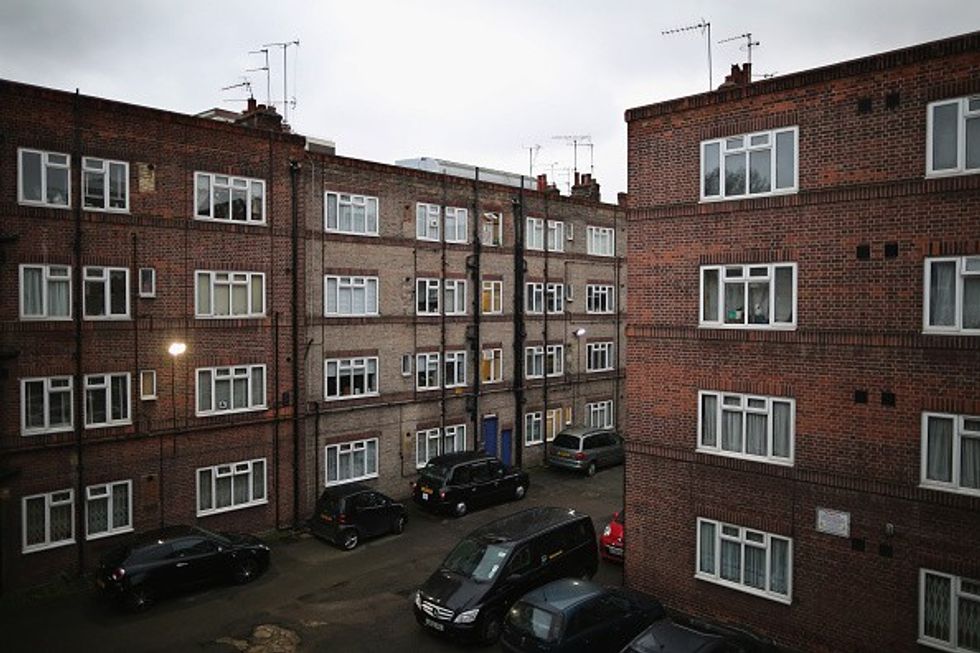 (Photo by Dan Kitwood/Getty Images)
The survey, commissioned by the JRF and conducted by YouGov on more than 10,000 households, claims that about 400,000 renters have already had eviction notices or been told to expect them soon and a further 450,000 households are in arrears. Almost 1.5 million renting households have reduced their spending in some way to offset lost income during the pandemic, the report said.
Alicia Kennedy, director of Generation Rent, an organisation representing private renters, described the government's decision to end the ban as "reckless".
"If the government doesn't intervene, thousands of homeless families could be turning to their council for help," she said.
The temporary ban was introduced in March 2020 on bailiff-enforced evictions and was extended several times since it has provided much-needed security to renters during the pandemic. From June 1, eviction notice periods will drop from six months to four months. Before the pandemic, it was usually two months in England.
The fear of renters is now putting pressure on the government to bring in emergency legislation to increase the permanent protection for those struggling to pay their rent due to the pandemic.
The Local Government Association (LGA), charities and Labour are reportedly uniting to call on ministers to fulfil a manifesto commitment to put an end to “no-fault evictions”, a clause that allows landlords to evict tenants without giving a reason.