
Key Highlights
- The Incident: A UK resident volunteering in the DRC has been medically evacuated to London following potential exposure to the Ebola virus.
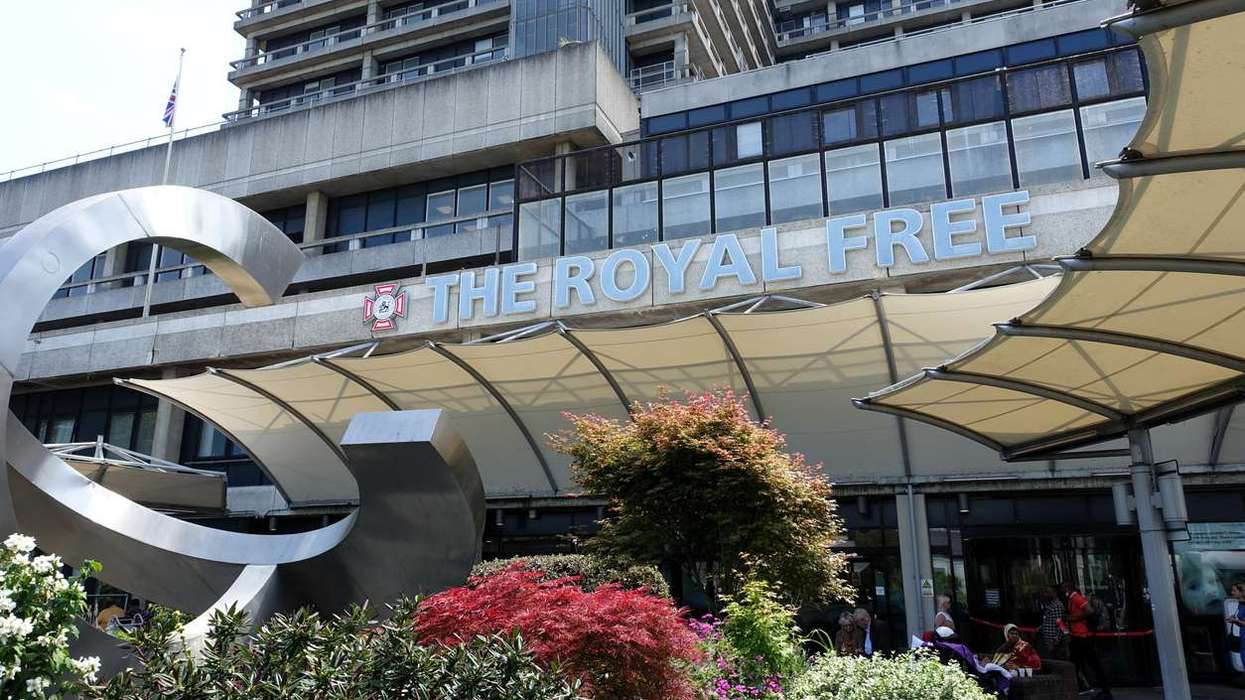
- The Location: The individual is being closely monitored at a specialist High-Level Isolation Unit, likely at the Royal Free Hospital in London.
- The Risk Level: The UK Health Security Agency (UKHSA) stresses that the risk to the wider UK public remains "very low."
When infectious disease alerts involve pathogens as severe as Ebola, public anxiety understandably spikes. Search engines are currently flooded with questions regarding the UK's preparedness and the nature of the virus.
To separate fact from panic, Eastern Eye breaks down exactly what this evacuation means, how the NHS is handling it, and the medical realities of the Ebola virus.
Why was the patient brought to a busy city like London?
It may seem counterintuitive to bring a potentially exposed patient into a densely populated capital. However, London is home to the Royal Free Hospital, which houses the UK’s primary High-Level Isolation Unit (HLIU).
This is a purpose-built, bio-secure facility designed specifically to treat patients with highly contagious and deadly infectious diseases, including Ebola, Lassa fever, and Crimean-Congo haemorrhagic fever. The unit features specialized ventilation systems, strict sterilization protocols, and a dedicated team of highly trained NHS specialists who drill constantly for these exact scenarios. Treating the patient here is the safest option for both the individual and the public.
How is Ebola actually transmitted?
A critical factor in public safety is understanding transmission. Unlike airborne viruses such as Covid-19 or the flu, Ebola is not transmitted through the air, by water, or through casual contact in public spaces.
Ebola is spread through:
- Direct contact with the blood, body fluids, or organs of a person who is sick with or has died from Ebola.
- Contaminated objects, such as needles, syringes, or clothing that have been tainted with infectious fluids.
A person is only contagious when they are actively experiencing symptoms. Because this healthcare worker is currently being monitored in strict isolation before a confirmed infection or severe symptoms have developed in a public setting, the chain of transmission is effectively broken.
What are the symptoms being monitored?
The incubation period for Ebola—the time from infection to the onset of symptoms—ranges from 2 to 21 days. The NHS and UKHSA teams will be monitoring the humanitarian worker for the following early signs:
- Sudden onset of a high fever
- Intense weakness and muscle pain
- Severe headache and a sore throat
If the virus progresses, symptoms can escalate to vomiting, diarrhea, impaired kidney and liver function, and in some cases, both internal and external bleeding.
What is the risk to the wider UK public?
According to the UKHSA, the risk to the general public is categorized as very low.
The UK has some of the most robust infection control procedures in the world. The patient was transported under strict bio-containment conditions and bypassed standard emergency rooms entirely. Because Ebola requires direct contact with bodily fluids to spread, and the patient is already isolated in a world-class facility, there is virtually no threat to the community in London or the wider UK.
The broader picture: The role of UK diaspora medics
This incident highlights the immense personal risks taken by British medical professionals and humanitarian volunteers operating in global hot zones. From the DRC to other conflict and outbreak areas, NHS-trained staff and volunteers from UK-based charities frequently put themselves on the frontline of global health crises.
Their immediate evacuation and care are standard protocols, ensuring that those who risk their lives to treat the world's most vulnerable populations receive the highest level of protection upon their return home.