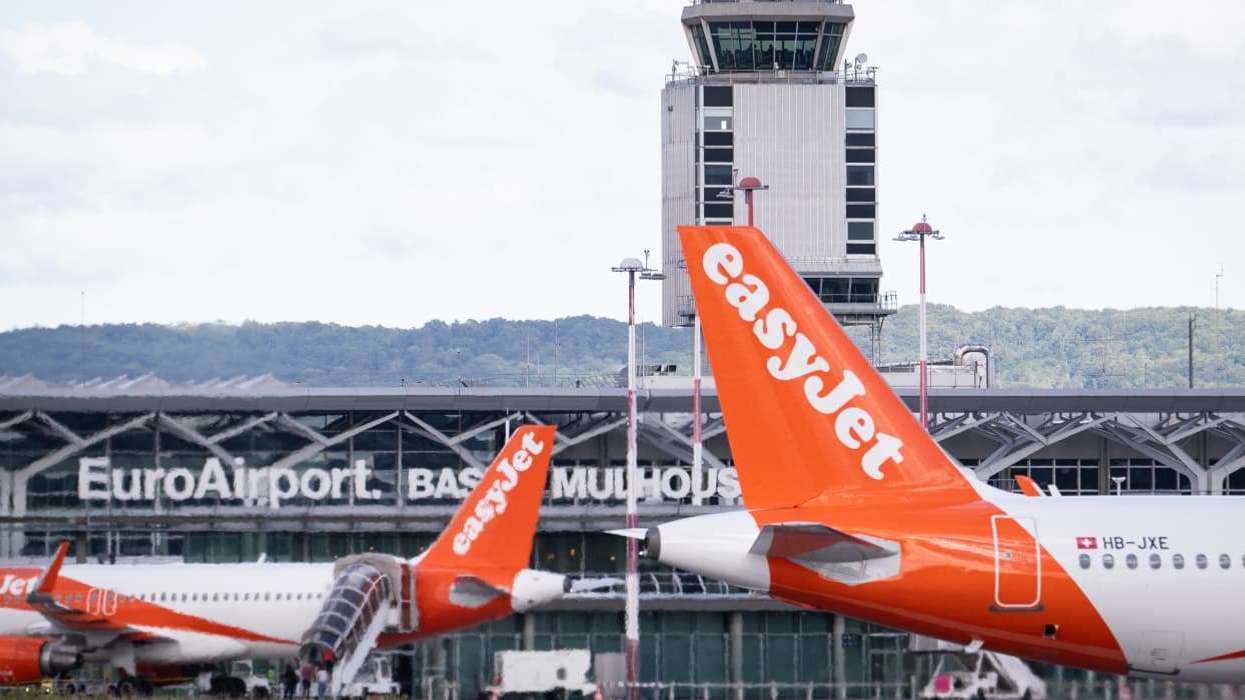

- EasyJet has backed Apollo's £5.7 billion takeover proposal over Castlelake's lower bid.
- The airline says Apollo's offer delivers a better outcome for shareholders.
- Both bidders still face regulatory hurdles and final takeover deadlines in August.
EasyJet's takeover battle has taken another turn after the airline agreed in principle to a £5.7 billion offer from Apollo Global Management, abandoning its support for a lower proposal from rival investor Castlelake just days after backing it.
The no-frills carrier said Apollo's cash offer of £7.15 per share represents a better outcome for shareholders than Castlelake's £6.90-a-share proposal, which valued the airline at around £5.2 billion. EasyJet said it was now "no longer minded" to recommend Castlelake's offer.
The announcement triggered a sharp rally in EasyJet shares, which climbed nearly 15 per cent to around £6.75 in early trading, their highest level since early 2022. Even so, the stock continued to trade below Apollo's offer price, suggesting investors remain cautious over whether a deal will eventually go through.
A bidding war with hurdles ahead
Apollo's proposal values EasyJet at an 81 per cent premium to its closing share price of £3.94 on May 28, the final trading day before Castlelake's takeover interest became public. At the time, the airline argued that its shares had been temporarily depressed by higher fuel costs and uncertainty across the aviation sector.
The pressure on the business became evident in its latest financial results. EasyJet reported a headline loss after tax of £377 million for the six months to the end of March, compared with a smaller loss a year earlier, despite revenue rising 12 per cent to £3.95 billion. The airline also warned that higher fuel prices and weaker booking visibility were likely to weigh on the second half of the financial year.
Chief executive Kenton Jarvis reportedly said the airline remained "well placed" to navigate the challenging market conditions.
Industry concerns have also been growing. The International Air Transport Association recently warned that global airline profits are expected to halve this year as airlines continue to face rising costs and geopolitical uncertainty.
Regulators could hold the key
While Apollo has emerged as the frontrunner, completing the acquisition may not be straightforward. European Union rules require airlines operating within the bloc to remain majority-owned and effectively controlled by EU nationals.
Castlelake had attempted to address that issue by partnering with Irish aviation executives Peter Bellew and Mark Breen, who would hold a controlling stake through an EU-based company. Apollo has said it will take "all necessary steps" to satisfy regulatory requirements, including those under the EU's Foreign Subsidies Regulation.
Apollo has also pledged to retain the EasyJet brand by extending the airline's existing licensing agreement with easyGroup, the investment vehicle owned by founder Sir Stelios Haji-Ioannou. Sir Stelios and his family continue to own around 15 per cent of EasyJet, making them one of its largest shareholders.
Founded in 1995, EasyJet has grown into one of Europe's largest low-cost airlines, employing more than 19,000 people and operating around 1,200 routes across 35 European countries. Analysts say its valuable take-off and landing slots at airports including London Gatwick and Paris Charles de Gaulle make it an attractive acquisition target.
Neither proposal is yet binding. Under UK takeover rules, Castlelake has until August 3 to submit a firm offer or withdraw, while Apollo faces a deadline of August 7. If a deal is completed, EasyJet would be delisted from the London Stock Exchange, adding to the growing number of British-listed companies being acquired by overseas investors.