
Highlights
- Permit Room Liverpool will open in early March at former Royal Bank of Scotland building on Dale Street.
- Venue offers all-day dining with signature cocktails, curries and Dishoom classics including Black Daal.
- Interiors feature artwork from Liverpool artists alongside Bombay creators with weekly resident DJ performances.
Popular Indian restaurant chain Dishoom is set to open its first Liverpool venue in early March, bringing its Permit Room bar-café concept to the city centre.
Located at Exchange Court, No. 1 Dale Street in the former Royal Bank of Scotland building, Permit Room Liverpool marks the group's debut in the city.
The all-day venue draws inspiration from Bombay's iconic permit rooms drinking establishments that emerged in the 1960s and 1970s after prohibition restrictions began easing in India.
"We've wanted to bring Dishoom to Liverpool for a long time, and Permit Room felt like the perfect way to do it," told Brian Trolip, Dishoom chief executive to Hospitality and Catering News.
"Our Permit Rooms are lively and rooted in the spirit of Bombay's drinking culture, a place for cocktails, comfort food and connection, all day long. We can't wait to open our doors and become part of the city."
Food, drinks and experience
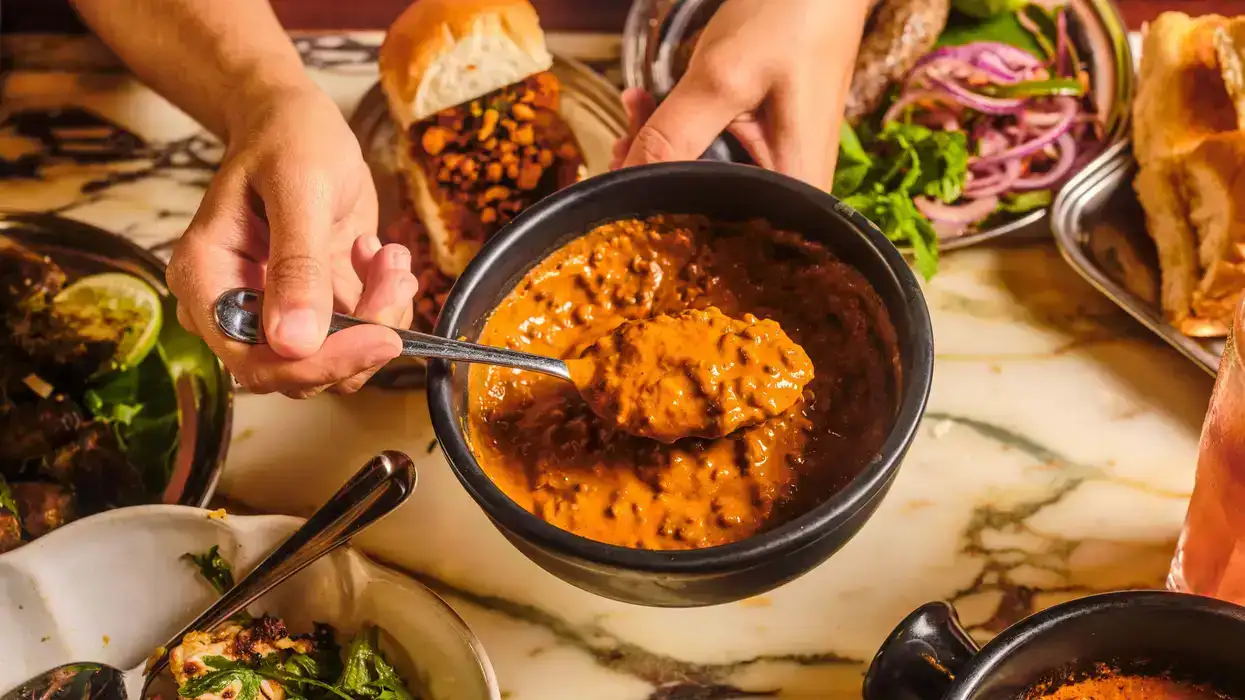
The venue will offer an extensive menu featuring bar snacks, curries and larger sharing plates alongside Dishoom favourites.
Highlights include Crispy Spinach Chaat with sweet yoghurt and pomegranate seeds, Chef's Lamb Curry, coconutty Prawn Moilee, and the venue's special Half or Whole Chicken Tandoori. Classic dishes such as Black Daal and Mattar Paneer will also feature.
Morning offerings include Breakfast Naan Rolls and The Full Permit, a hearty fry-up with spiced Akuri, streaky bacon, Shropshire pork sausages and masala beans.
The French Toast combines cinnamon-spiced brioche with melted cheese, spicy-hot honey and crispy bacon.
The drinks menu showcases signature cocktails including the Blushing Dawn Paloma with chilli-infused tequila and mezcal, and the Thums Up Sazerac sweetened with Indian soda.
Kingfisher Beer Towers offering three litres of beer are available for larger groups, whilst alcohol-free options include the Sober Summer Negroni.
Emmie Woods, development manager at Bruntwood, which owns Exchange Court, noted that the opening "marks an exciting new chapter for the building, bringing fresh energy to the area".
The venue will feature warm interiors with exposed concrete and wood panelling, showcasing artwork from Liverpool artists, contemporary Bombay creators and South Asian talent. Local resident DJs will perform weekly, playing funk, hip-hop, Bollywood, disco and soul.