
- Lloyds posts £2bn profit as higher interest rates boost margins
- Mortgage costs rise sharply while households face growing pressure
- Stagflation risks emerge with slower growth and rising unemployment
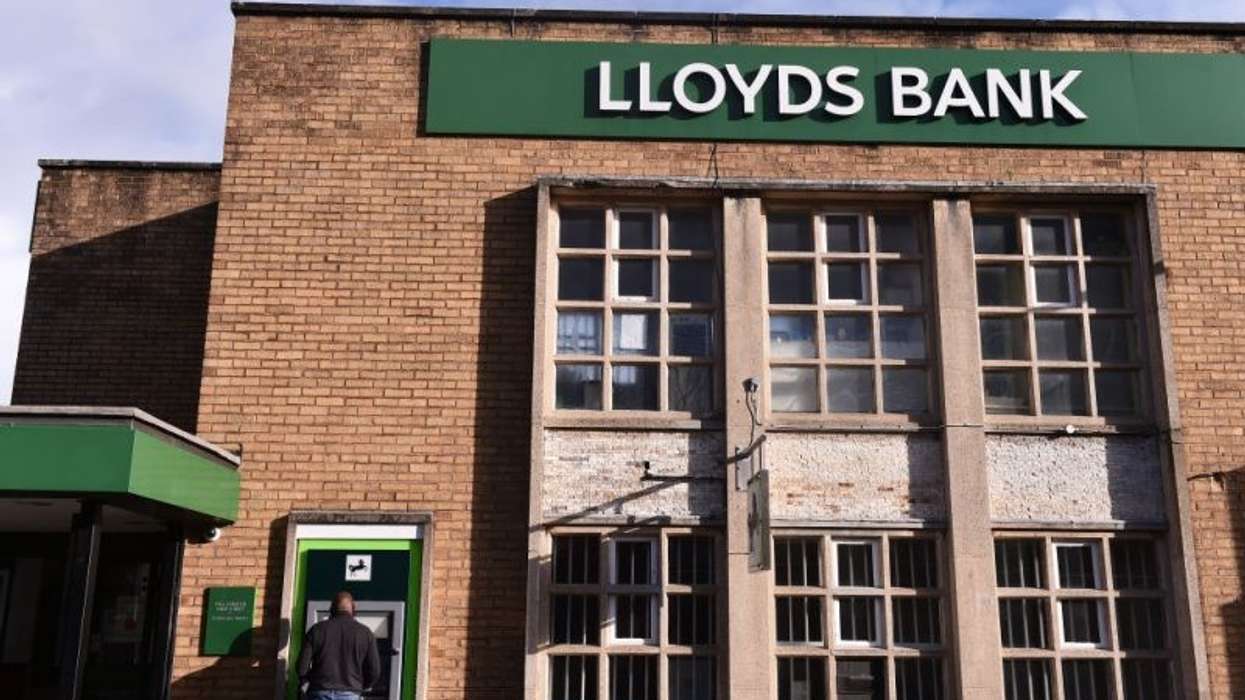
Even as inflation rises, unemployment edges up and household costs continue to climb, banks are reporting stronger profits. The latest results from Lloyds Banking Group highlight this contrast, with the lender posting a quarterly pre-tax profit of £2 billion, up 33 per cent year-on-year and ahead of expectations.
The gains come largely from higher interest rates. As borrowing costs rise, banks are able to charge more on loans while keeping deposit rates relatively lower, widening their margins. Lloyds’ net interest margin rose to 3.17 per cent, up from 3.03 per cent a year earlier, reflecting this shift. The bank also upgraded its outlook for net interest income to more than £14.9 billion, pointing to sustained higher rates.
This trend is not limited to one lender. Barclays also reported quarterly profits of £2.8 billion, reinforcing the broader pattern across the sector. The backdrop is a global environment shaped by the Middle East conflict, which has pushed inflation higher and reduced expectations of rate cuts in the near term.
Higher rates lift banks while costs rise for households
The current cycle of higher interest rates is proving to be a double-edged story. For banks, it is supporting profitability. For households, it is adding pressure.
Mortgage rates have moved sharply higher, with the average two-year fixed rate rising to 5.81 per cent, compared with 4.83 per cent before the conflict began, according to market data. This translates directly into higher monthly repayments for borrowers.
William Chalmers, finance director at Lloyds, said the improved earnings were “mainly driven by higher rate expectations”, as quoted in a news report. He added that stronger profitability is a natural outcome in a higher-rate environment, arguing that banks had spent years operating with compressed margins when rates were low.
However, the wider economic picture tells a more complicated story. Rising borrowing costs, combined with higher energy prices, are weighing on consumer spending and business activity. While banks benefit from stronger margins, customers face tighter budgets and reduced financial flexibility.
Profit now, pressure ahead
Despite the strong earnings, questions are beginning to emerge about how sustainable these profits are. There is growing speculation that the government could consider higher taxes on banks, especially as profits rise at a time when households are under strain.
Gary Greenwood, an analyst at Shore Capital, reportedly suggested that elevated returns could come under scrutiny if policymakers revisit bank taxation. Lloyds’ return on tangible equity rose to 17 per cent, up from 12.6 per cent a year earlier, a level that may attract political attention.
At the same time, the economic outlook is becoming less certain. Lloyds has revised its forecasts, now expecting UK growth of just 0.5 per cent, down from 1.2 per cent earlier. Inflation is projected to reach 3.9 per cent, while unemployment is expected to average 5.5 per cent.
The bank described this as a “stagflationary” scenario, where inflation remains high even as growth slows. Chalmers noted that this is not yet a recession, reportedly said, but a clear slowdown in momentum.
There are also early signs of risk building beneath the surface. Lloyds has already factored in a £151 million impact linked to the worsening economic outlook in its provisions for potential loan losses. While the bank says it has not yet seen a significant rise in customer distress, higher borrowing costs typically increase the risk of defaults over time.
Customer deposits rose by 2 per cent to £495.9 billion, while lending increased by 4 per cent to £486.2 billion, suggesting that demand remains stable for now. However, the broader trajectory will depend on how long interest rates stay elevated and whether economic conditions stabilise.
For now, the picture reflects a familiar pattern. Banks are benefiting from higher rates in the short term, even as those same conditions place increasing strain on the wider economy.