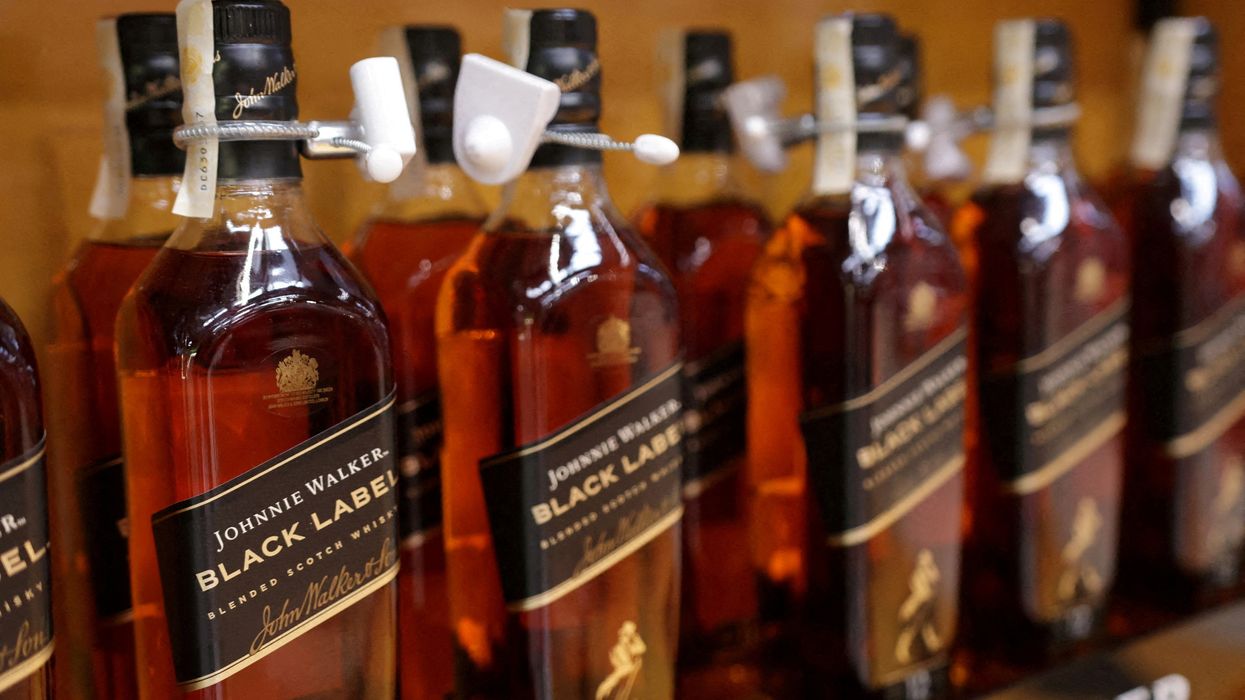

DIAGEO, the global beverage company known for brands like Johnnie Walker and Guinness, has encountered significant challenges following the death of CEO Sir Ivan Menezes in June 2023. Menezes, who had led the company since 2013, was succeeded by Debra Crew.
Under Crew's leadership, Diageo has faced a profits warning and adverse global consumer trends. The company's shares have declined nearly 30 per cent since her appointment.
Factors contributing to this downturn include the rise of weight-loss drugs reducing alcohol consumption, supply chain misjudgments in Latin America, and global economic pressures, reported The Guardian.
In the US, Diageo's largest market, cautious consumer behaviour has further impacted sales. Despite maintaining market share in 75 per cent of measured markets, including the US, investor confidence has waned.
Crew's commitment to a long-term sales growth forecast of 5-7 per cent has been met with scepticism given recent performance.
The company has denied rumours of drastic measures, such as selling the Guinness brand. Challenges persist, including changing consumer behaviours, increased alcohol duties, and potential tariffs affecting exports.
Crew aims to reassure investors and meet ambitious growth targets in the upcoming half-year results presentation.
Menezes, who was born in Pune, India, and educated at St Stephen's College in Delhi and the Indian Institute of Management, Ahmedabad, passed away following a brief illness. He had been hospitalised for conditions including a stomach ulcer.
Diageo's leadership transition has been closely watched by investors and industry analysts as the company navigates these challenges.