The treaty
Under the Indus Water Treaty (IWT) signed between India and Pakistan in 1960, all the waters of the eastern rivers -- Sutlej, Beas, and Ravi -- amounting to around 33 million acre feet (MAF) annually is allocated to India for unrestricted use.
The waters of western rivers - Indus, Jhelum, and Chenab - amounting to around 135 MAF annually have been assigned largely to Pakistan. India is permitted to construct the run of the river plants on western rivers with limited storage as per criteria specified in the treaty.
Under the provisions of Article VIII(5) of the Indus Waters Treaty, the Permanent Indus Commission is required to meet at least once a year.
What happened in the meeting?
A six-member delegation led by Pakistan Commissioner for Indus Waters Syed Muhammad Mehar Ali Shah attended the 118th meeting of the Pakistan-India Permanent Indus Commission (PIC) in New Delhi from May 30-31, it said.
The Indian delegation was headed by the Indian Commissioner for Indus Waters, A K Pal.
A wide range of water-related issues between Pakistan and India were discussed which included the advance sharing of flood information, the program of tours/inspections and signing of the report of the Permanent Indus Commission for the year ending March 31, 2022, the Foreign Office said in a statement.
“Both sides reiterated their commitment to implement the Indus Waters Treaty in its true spirit,” it said.
It said that Pakistan also highlighted its objections on India’s hydroelectric projects on the Western rivers and sought response to its objections on Indian projects including 1,000MW Pakal Dul.
The Indian side was also urged to communicate advance flood-flow information as per the provisions of the Treaty.
“Indian side assured to arrange tours/inspections after the coming flood season. Indian side also assured that Pakistan’s outstanding objections would be discussed in the next meeting as the Indian side is still in the process of examining the details,” according to the statement.
Both sides also expressed the hope that the next meeting of the Commission would be held at an early date in Pakistan.
India and Pakistan signed the treaty in 1960 after nine years of negotiations, with the Washington-based World Bank being a signatory.
India has underscored that its projects are fully compliant with the provisions of the Indus Water Treaty and it is committed to bilateral resolution of issues and suggestions given by Pakistan during a meeting of the Permanent Indus Commission, sources said.
Decoded: What is the Indus Water Treaty signed between India, Pakistan?
Officials from India and Pakistan have discussed a wide range of water-related issues during a meeting as part of the Permanent Commission on Indus Waters (PCIW) in New Delhi.






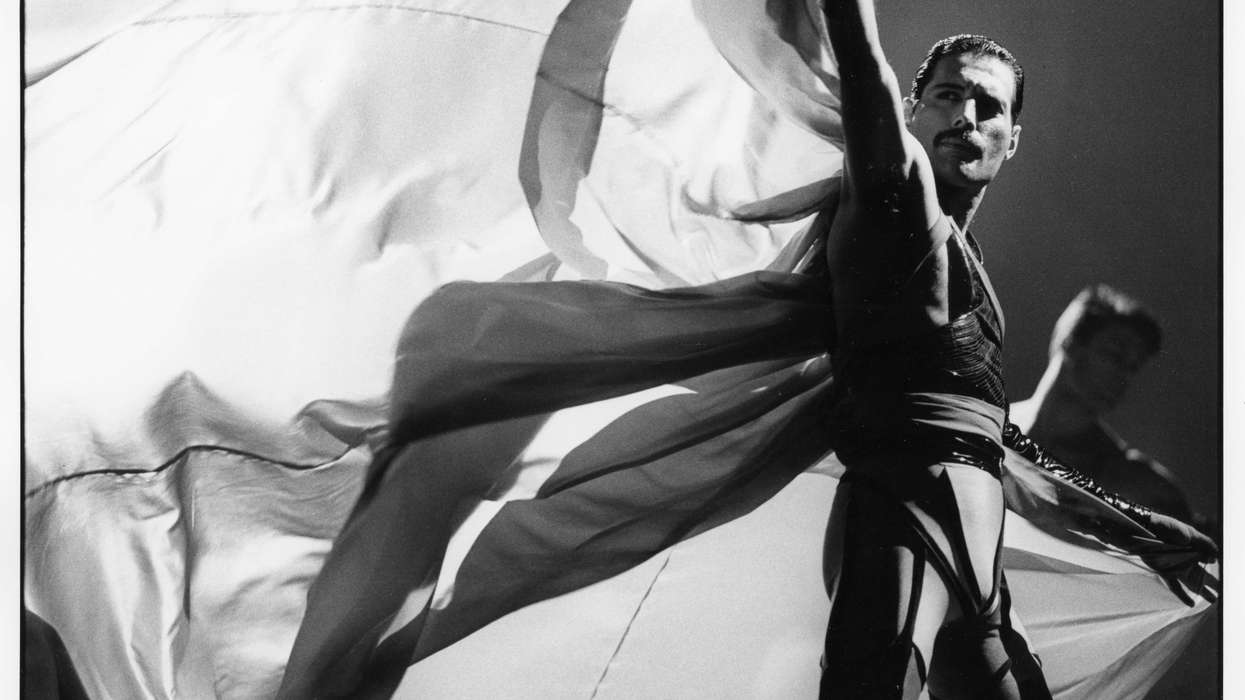
 Freddie Mercury in the Made in Heaven music videoSimon Fowler © Mercury Songs Ltd
  Mercury Wing Catsuit and bolero ensemble (1975)Amit Roy
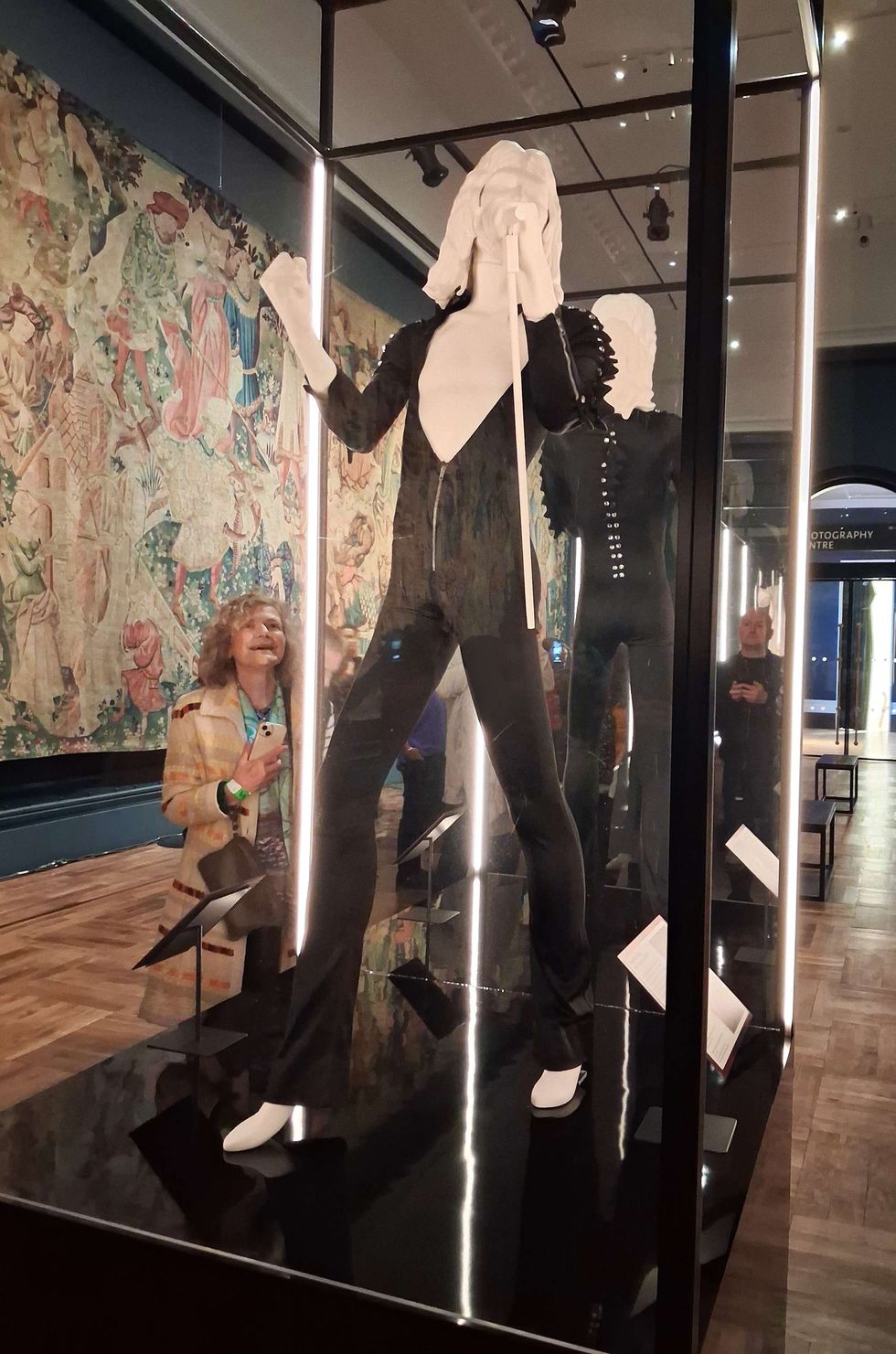 Designer Wendy de Smet with the spine suit or the Black Queen suit from 1975 Amit Roy
 Made in Heaven music video costume (1985) David Parry/V&A
  Japanese jacket (early 1970s)Amit Roy
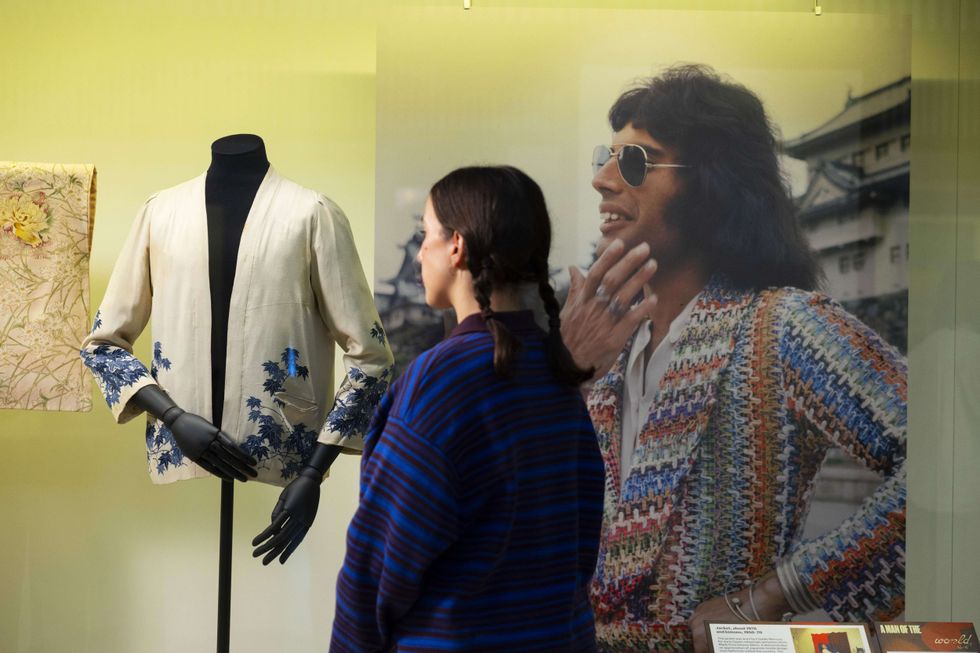 Japanese jacket (early 1970s) and kimono (1950-70) David Parry/ V&A
  Ensemble worn for Imperial College gig in 1973Amit Roy
 Flash ensemble and half mic (Flash Gordon 1980)Amit Roy
 Freddie Mercury performs wearing a 'Flash' t-shirt at Sports Arena in San Diego, California, United States, on 5th July 1980David TanShinko Music/Getty Images
 Cloal and crown ensembleAmit Roy
 Cloak and crown ensemble (1986)Amit Roy
 Cloak and crown ensemble (1986)Amit Roy
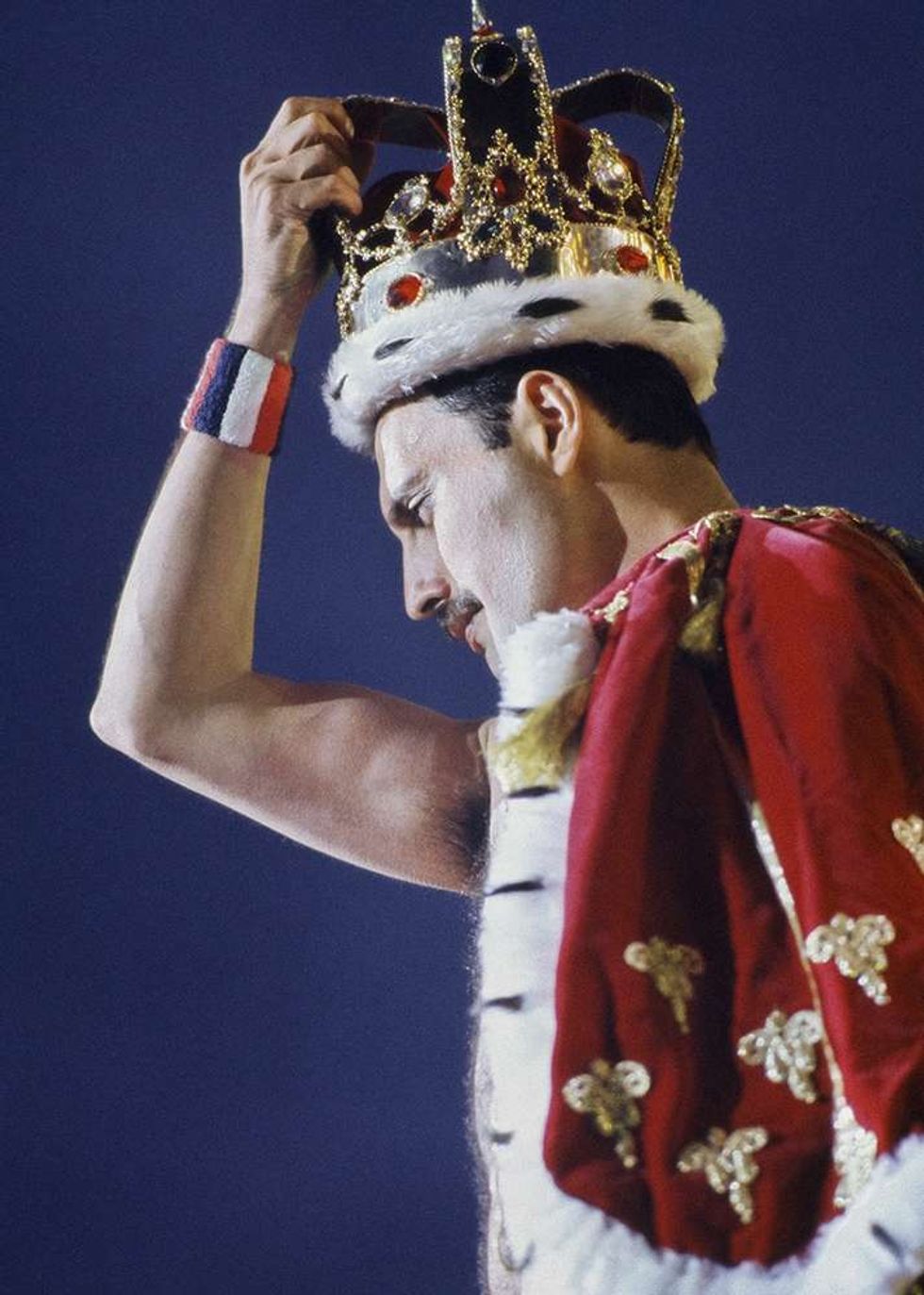 Freddie Mercury, Magic Tour (1986) Denis O’Regan