HEEMA CHAUHAN, 22, of India reached Britain in September 2019 for her management studies at the Cranfield University in Bedfordshire. In 2020, there was a Covid-19 outbreak followed by the first of the many lockdowns in March.
Since then she is stuck in the UK and yet to see her family members.
"I'm looking forward to seeing my family. They are ready to welcome me back," Heema said.
Her visa expires in March and if she fails to find a job then she has to return to India.
"Given the pandemic, international students have had other barriers and, as I need a sponsorship license for people to hire me, it has really affected my job prospects," she told BBC.
"I have been looking for jobs in charities, trusts and foundations, but as they haven't been able to secure funds the way they were able to beforehand, I haven't been able to get a job in my chosen profession.
"I was really looking forward to getting some experience of working here in UK."
Heema, currently staying with friends in a bubble says the risk of contracting the virus during travel made her stay back.
"I don't regret it - whatever challenges that come in front of me - I look at them as opportunities to learn from them.
"The pandemic was something no-one anticipated. I learnt how to manage myself, to keep myself calm in certain situations - when I am alone or when things are up and down," Heema said.
Like Heema, there are many foreigners in the UK studying or working and have been unable to travel back home since the onset of the pandemic.





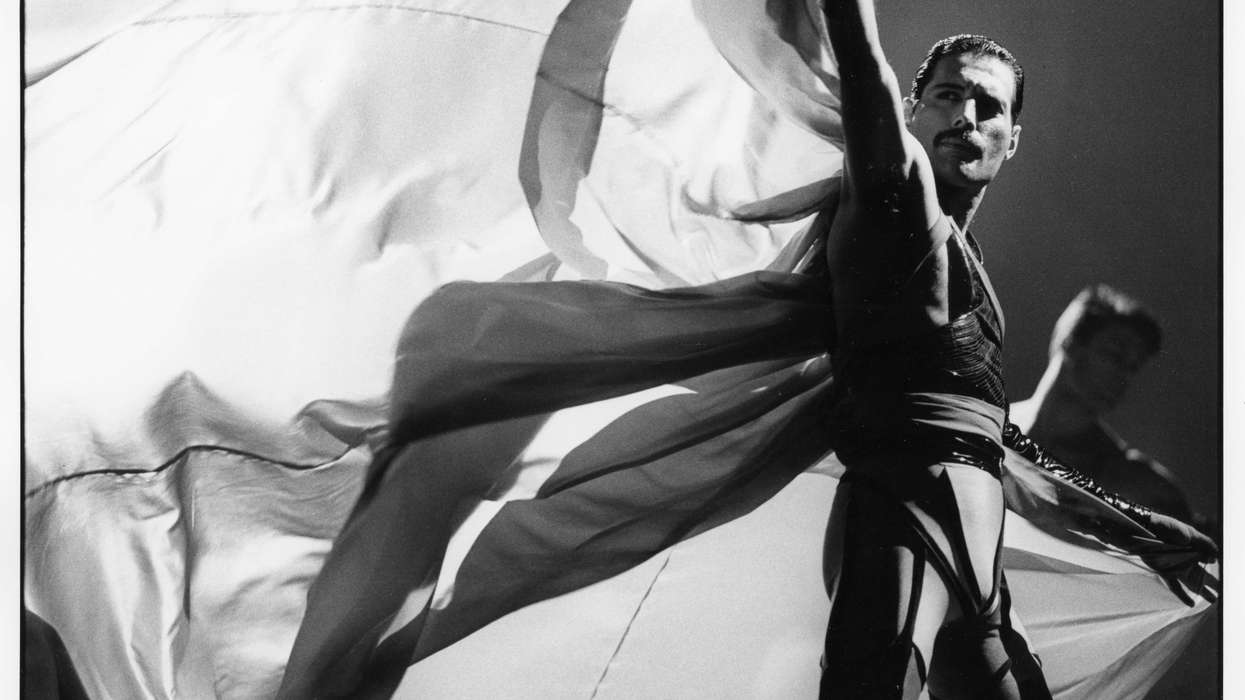
 Freddie Mercury in the Made in Heaven music videoSimon Fowler © Mercury Songs Ltd
 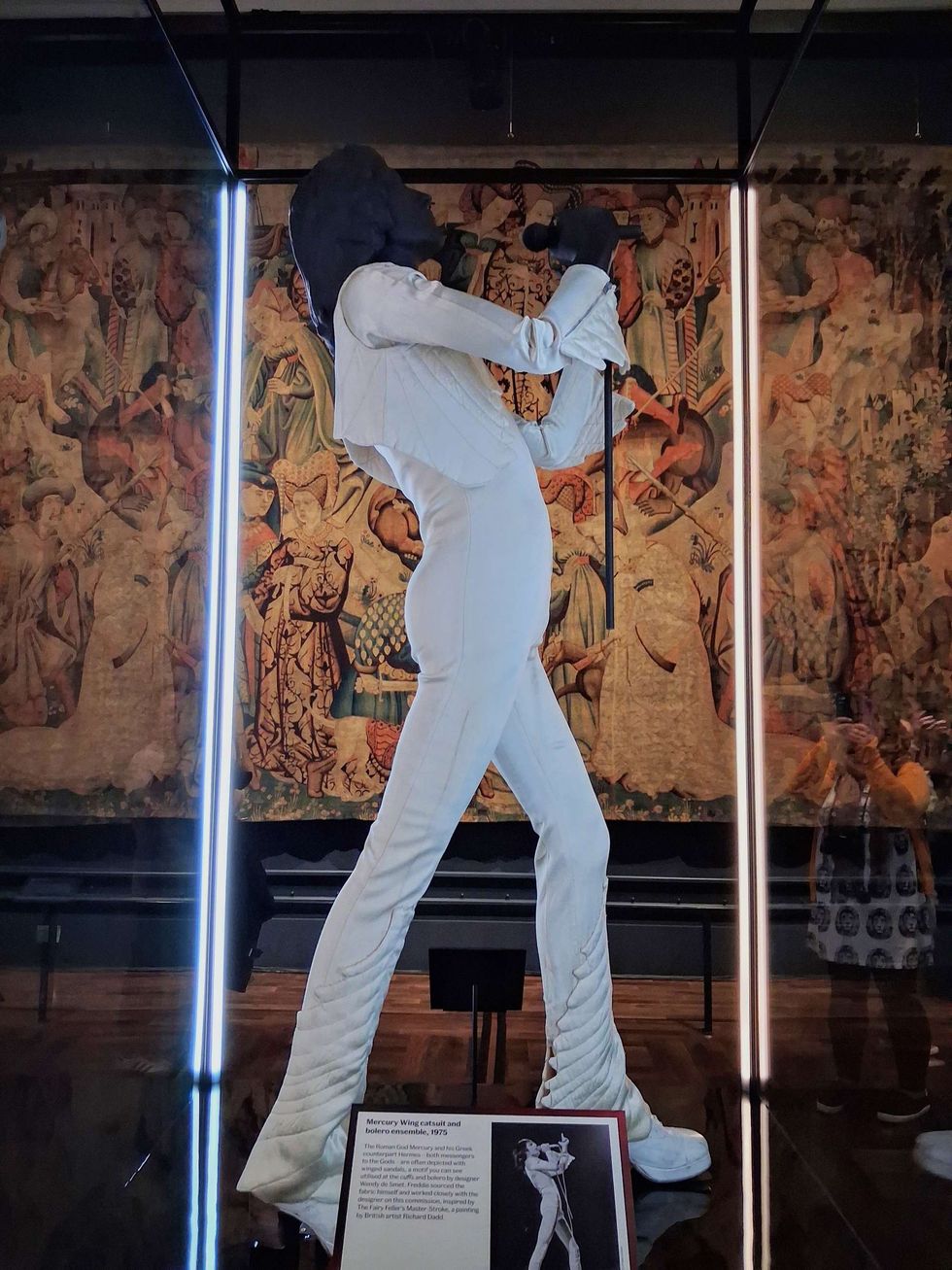 Mercury Wing Catsuit and bolero ensemble (1975)Amit Roy
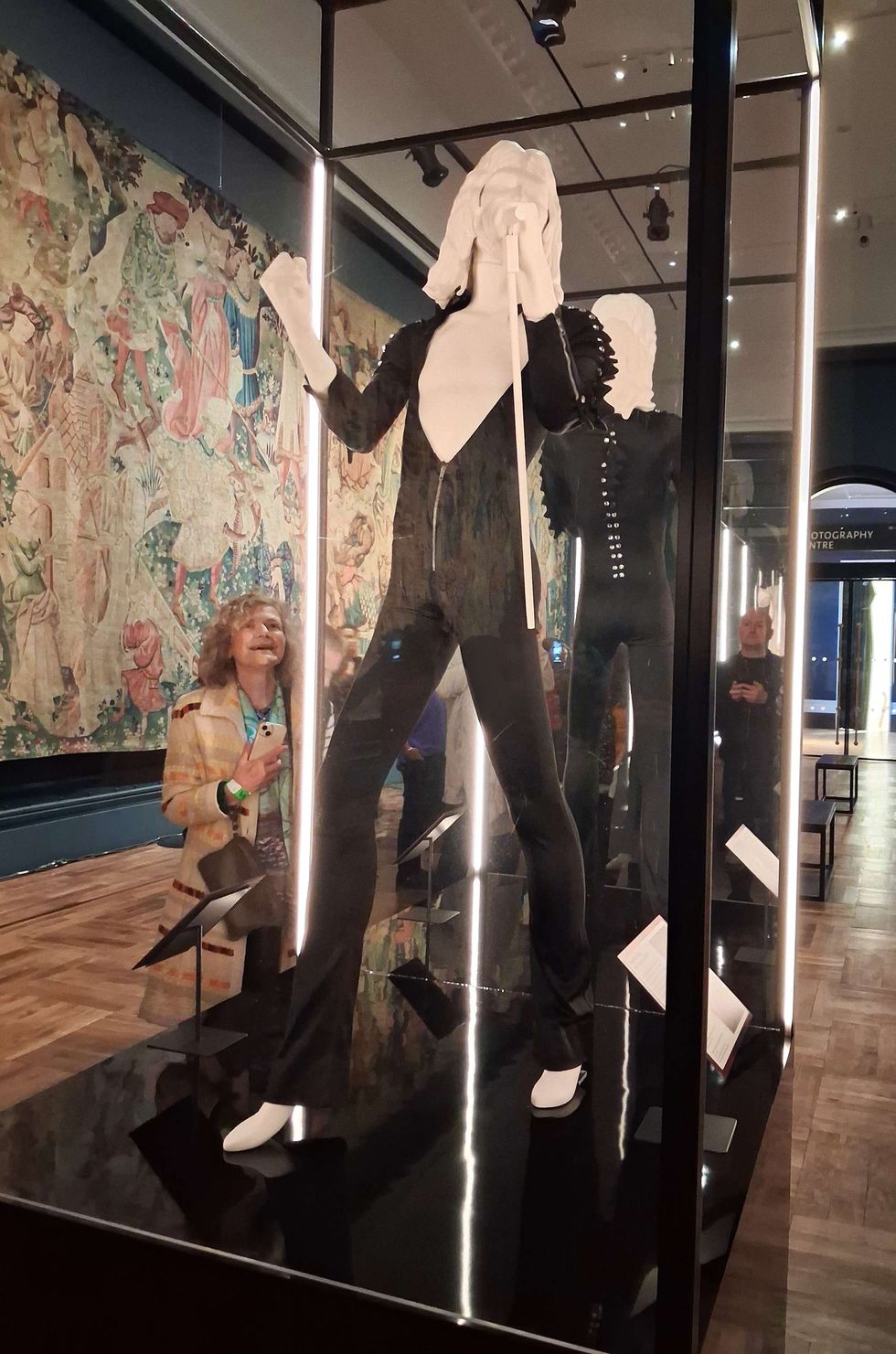 Designer Wendy de Smet with the spine suit or the Black Queen suit from 1975 Amit Roy
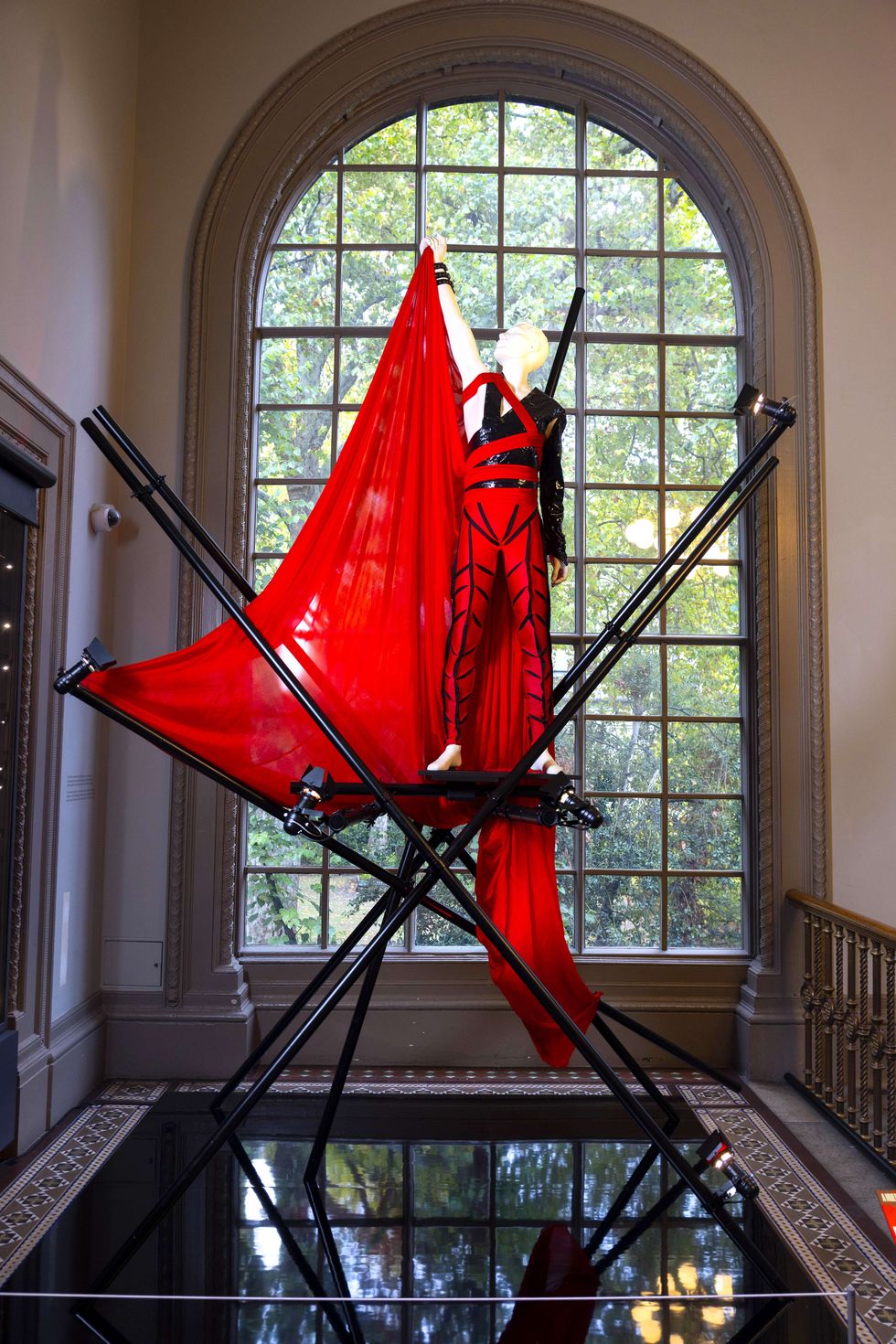 Made in Heaven music video costume (1985) David Parry/V&A
 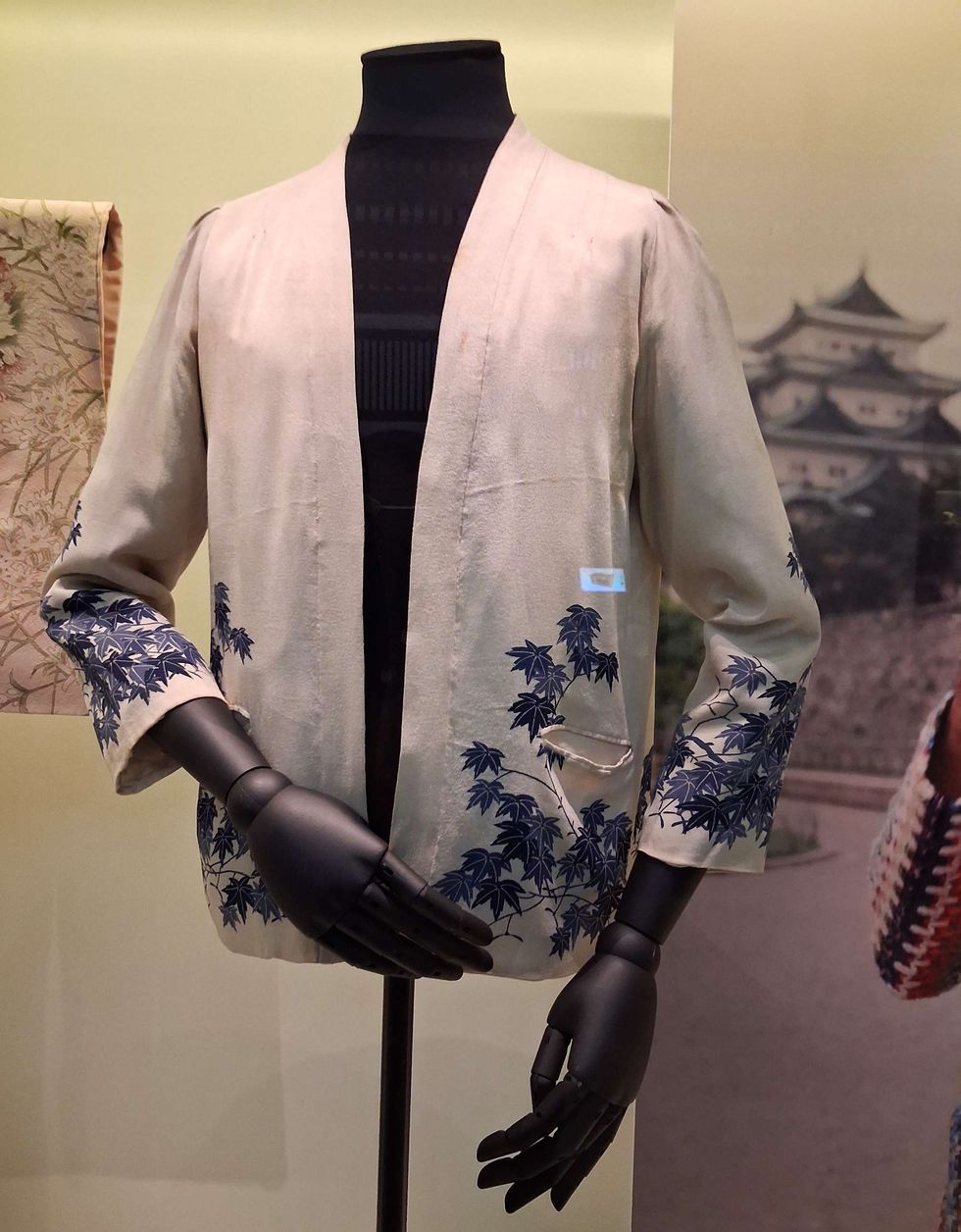 Japanese jacket (early 1970s)Amit Roy
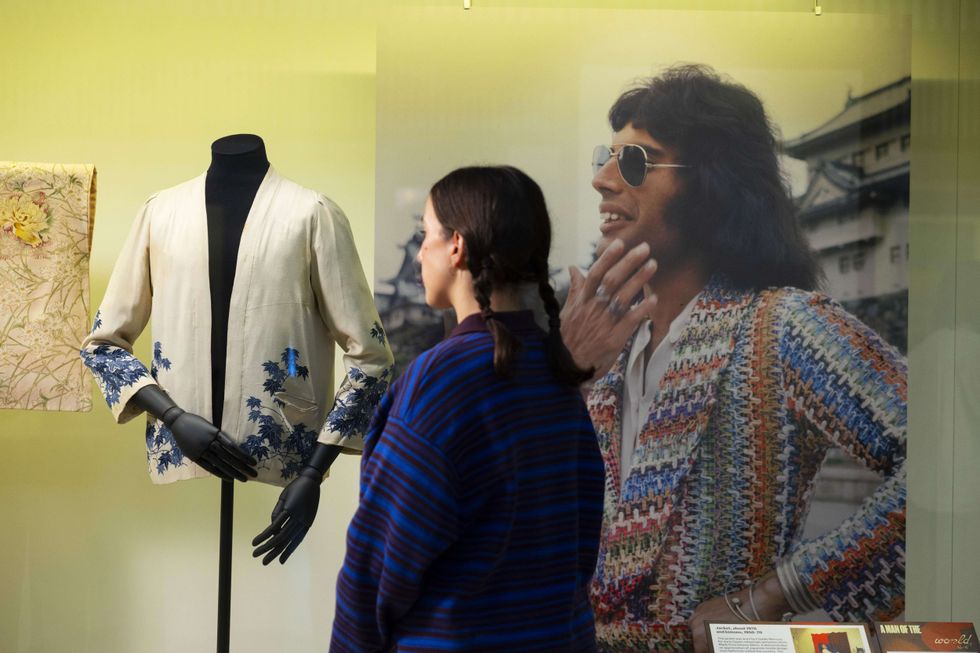 Japanese jacket (early 1970s) and kimono (1950-70) David Parry/ V&A
 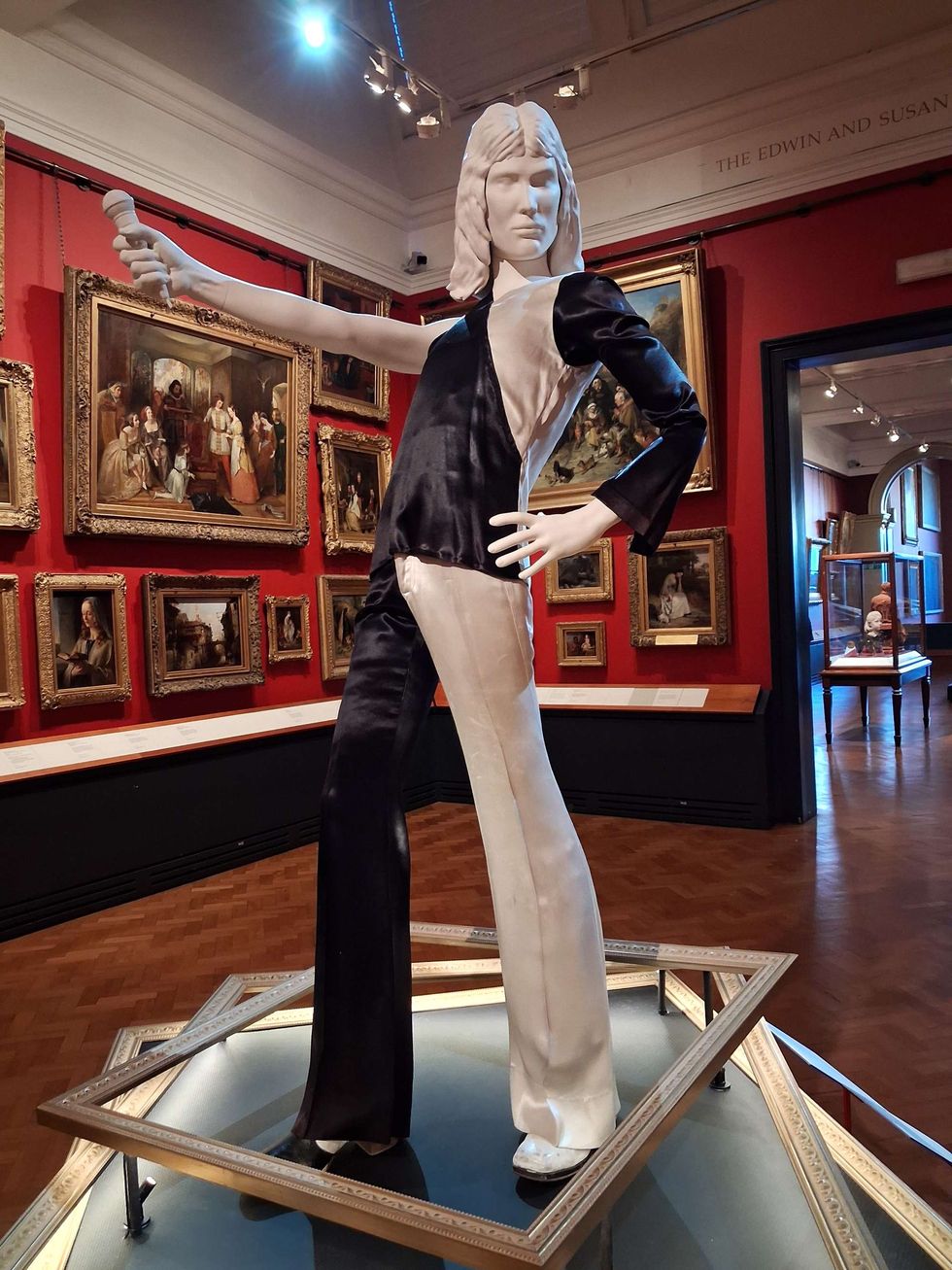 Ensemble worn for Imperial College gig in 1973Amit Roy
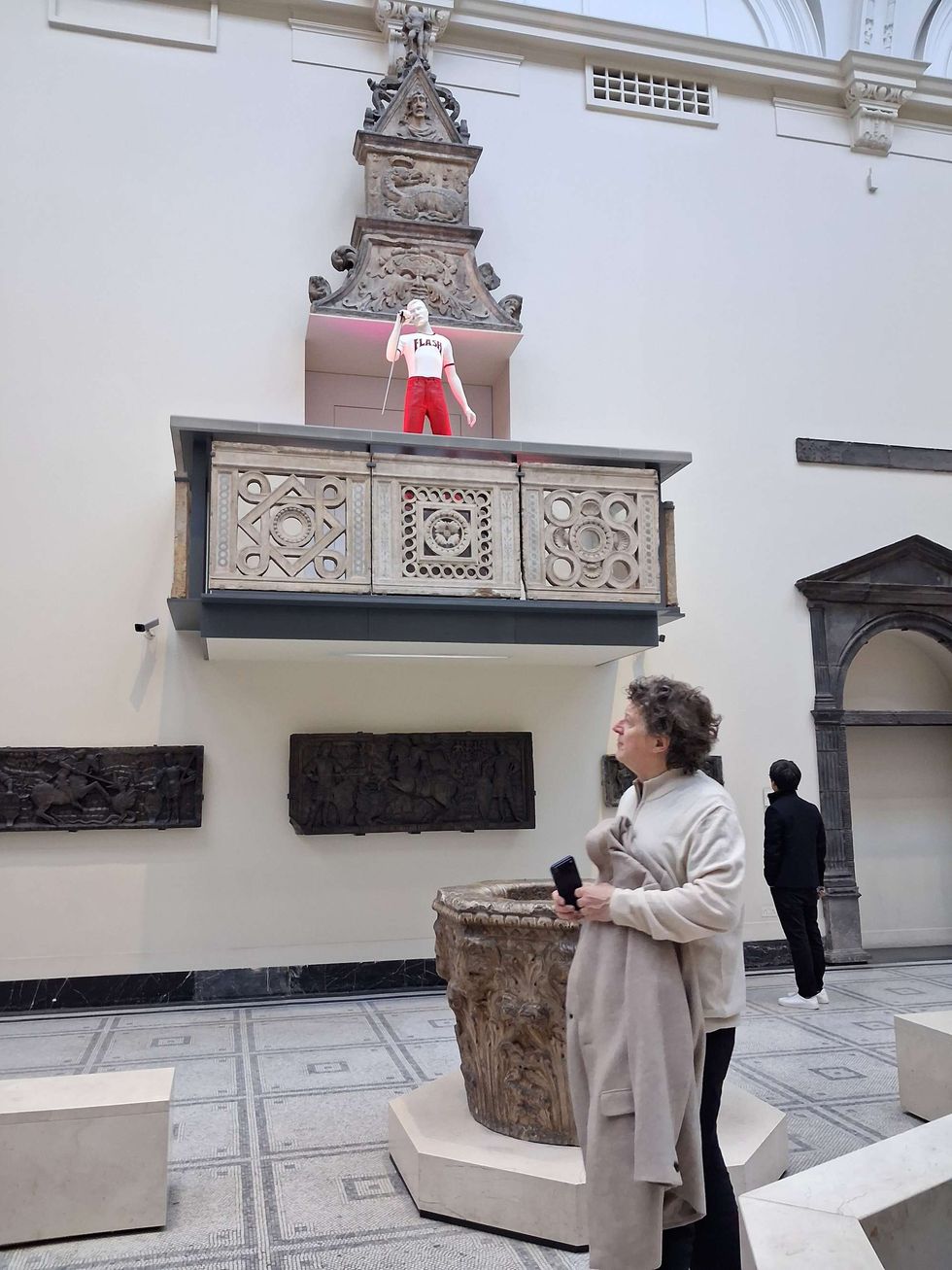 Flash ensemble and half mic (Flash Gordon 1980)Amit Roy
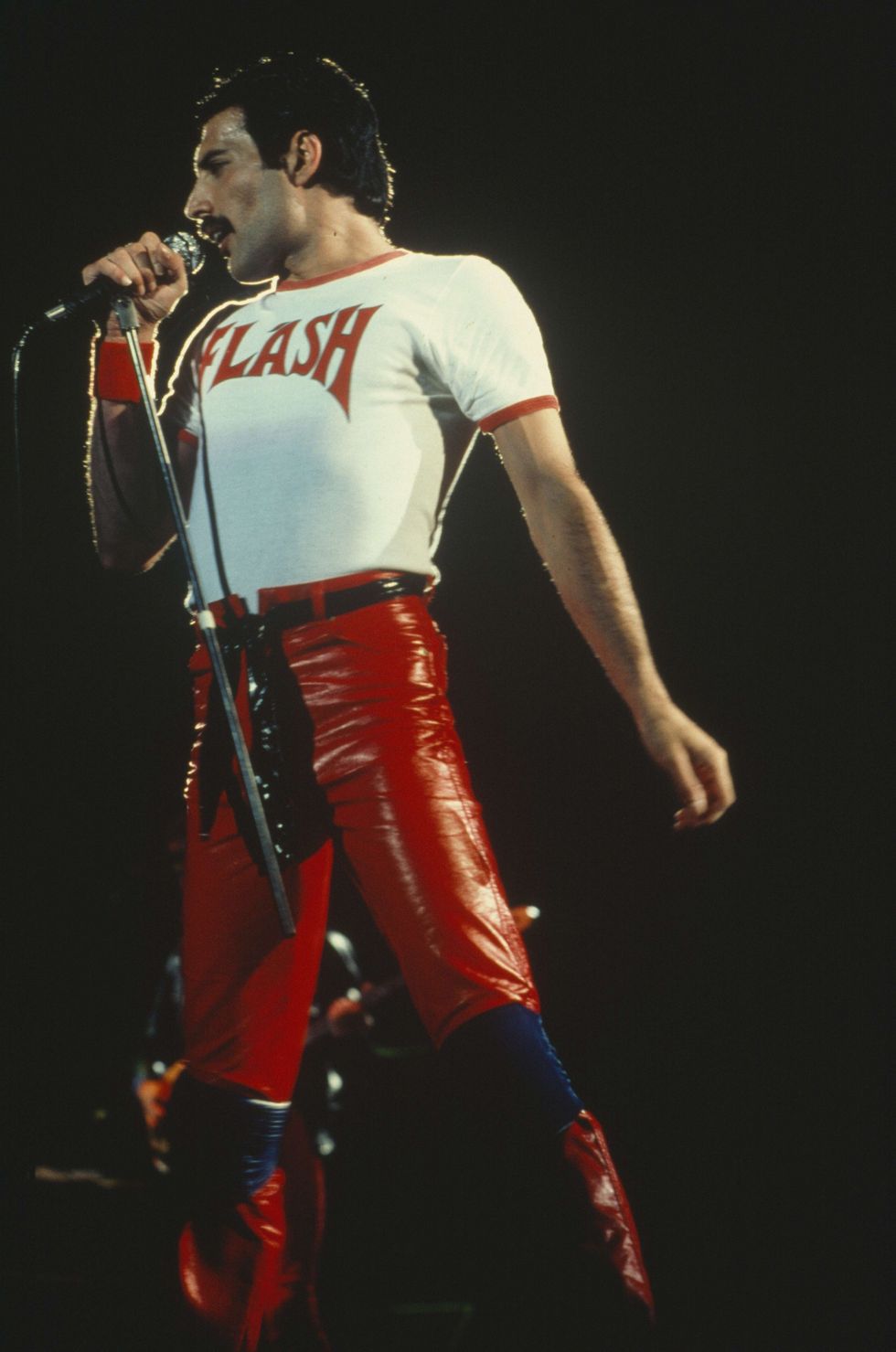 Freddie Mercury performs wearing a 'Flash' t-shirt at Sports Arena in San Diego, California, United States, on 5th July 1980David TanShinko Music/Getty Images
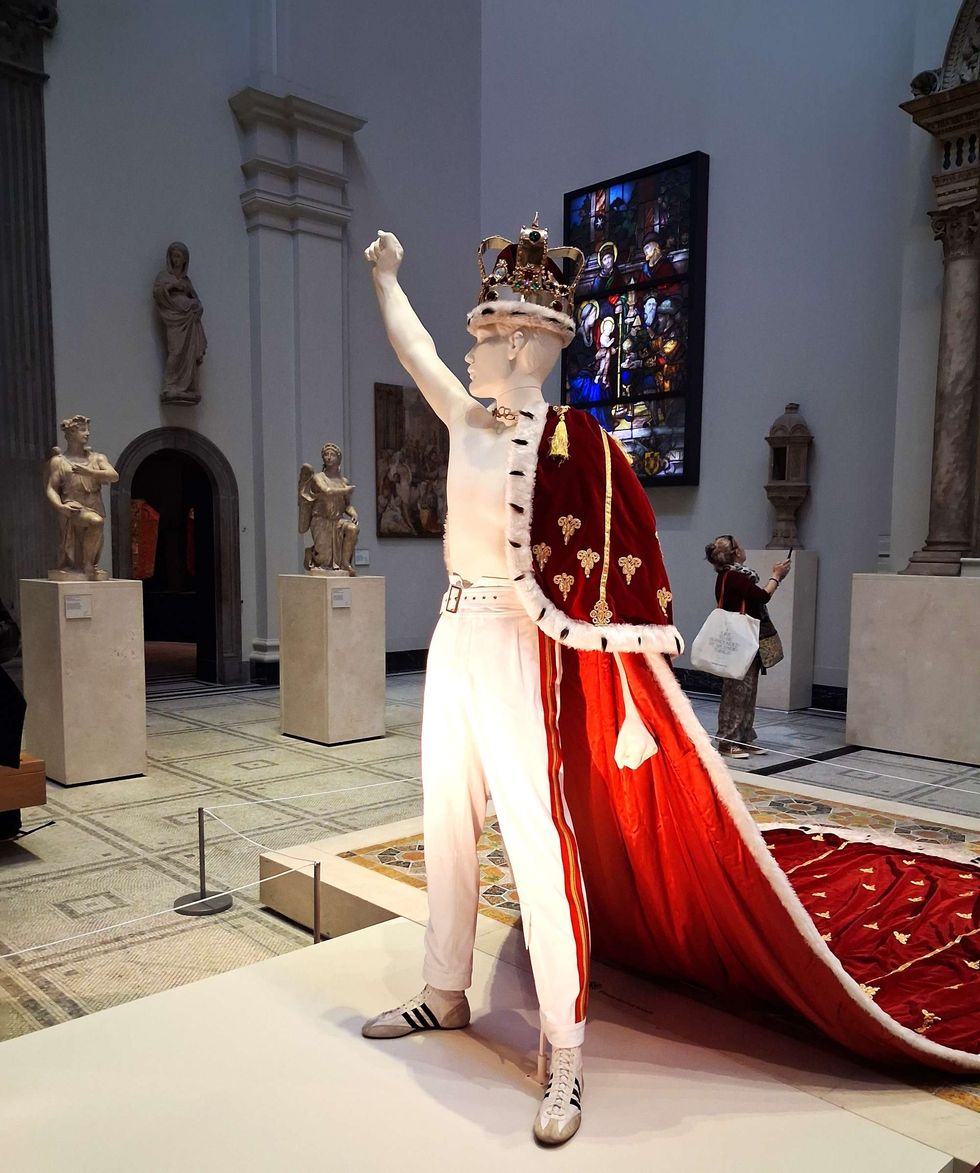 Cloal and crown ensembleAmit Roy
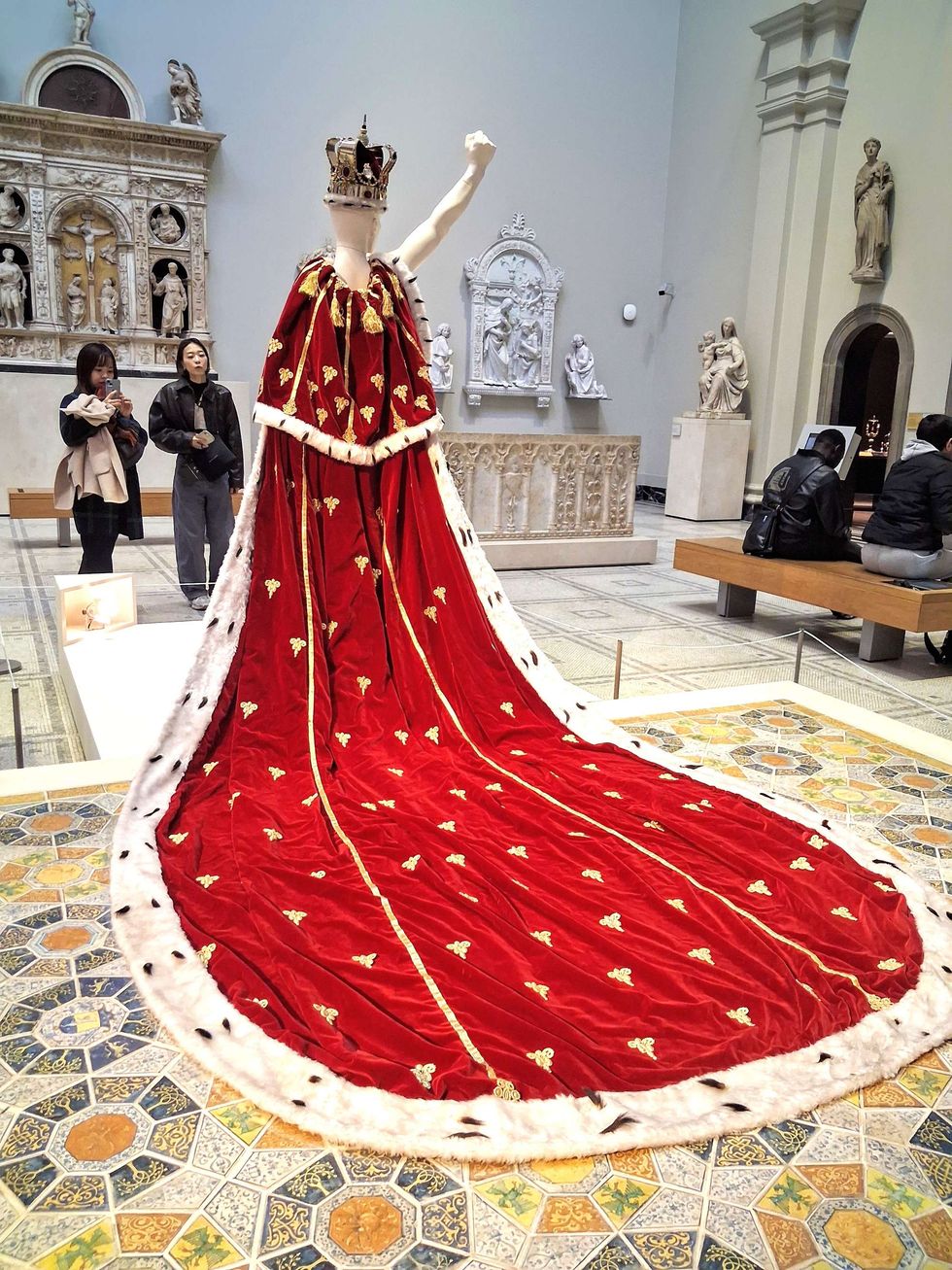 Cloak and crown ensemble (1986)Amit Roy
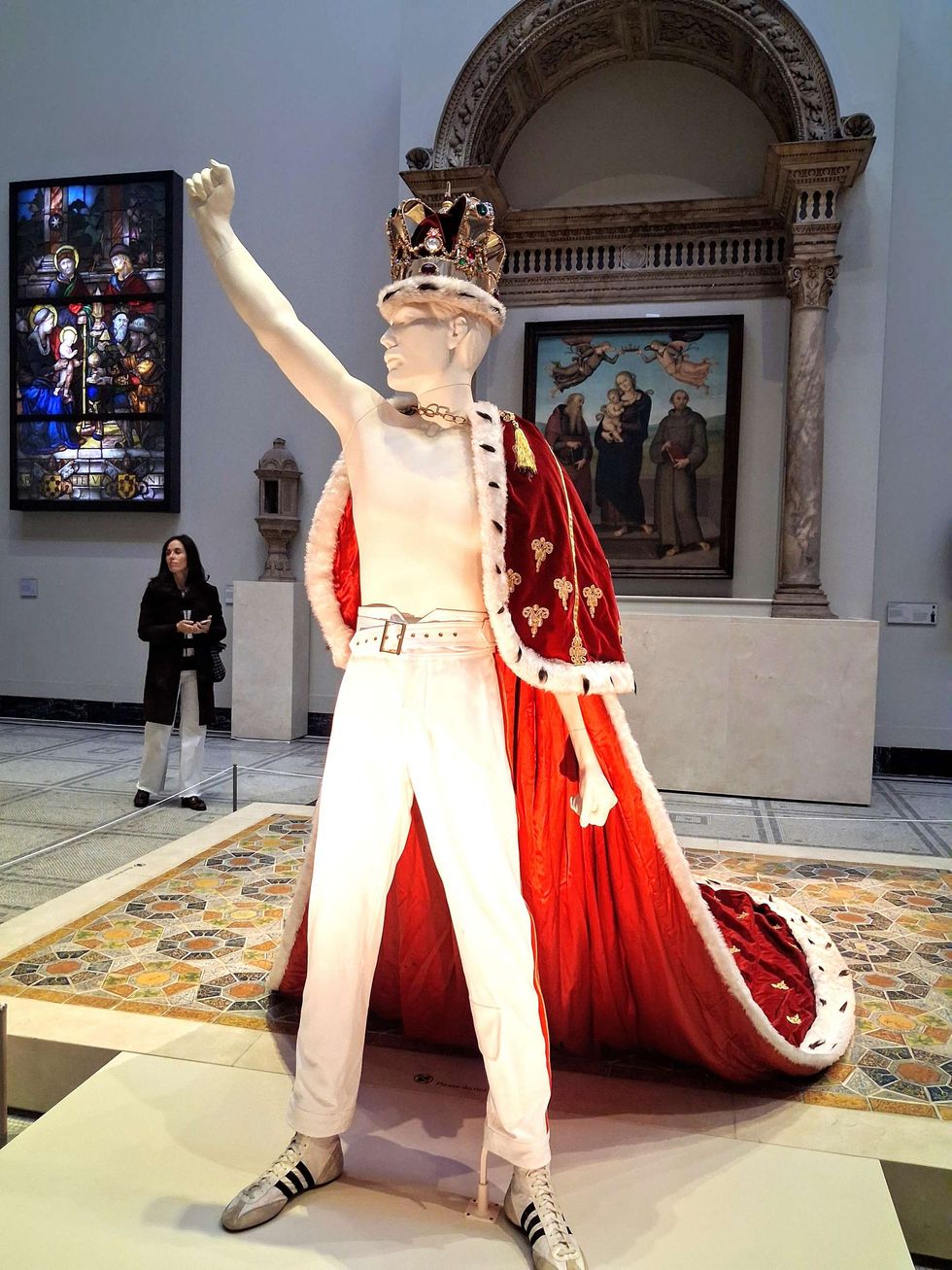 Cloak and crown ensemble (1986)Amit Roy
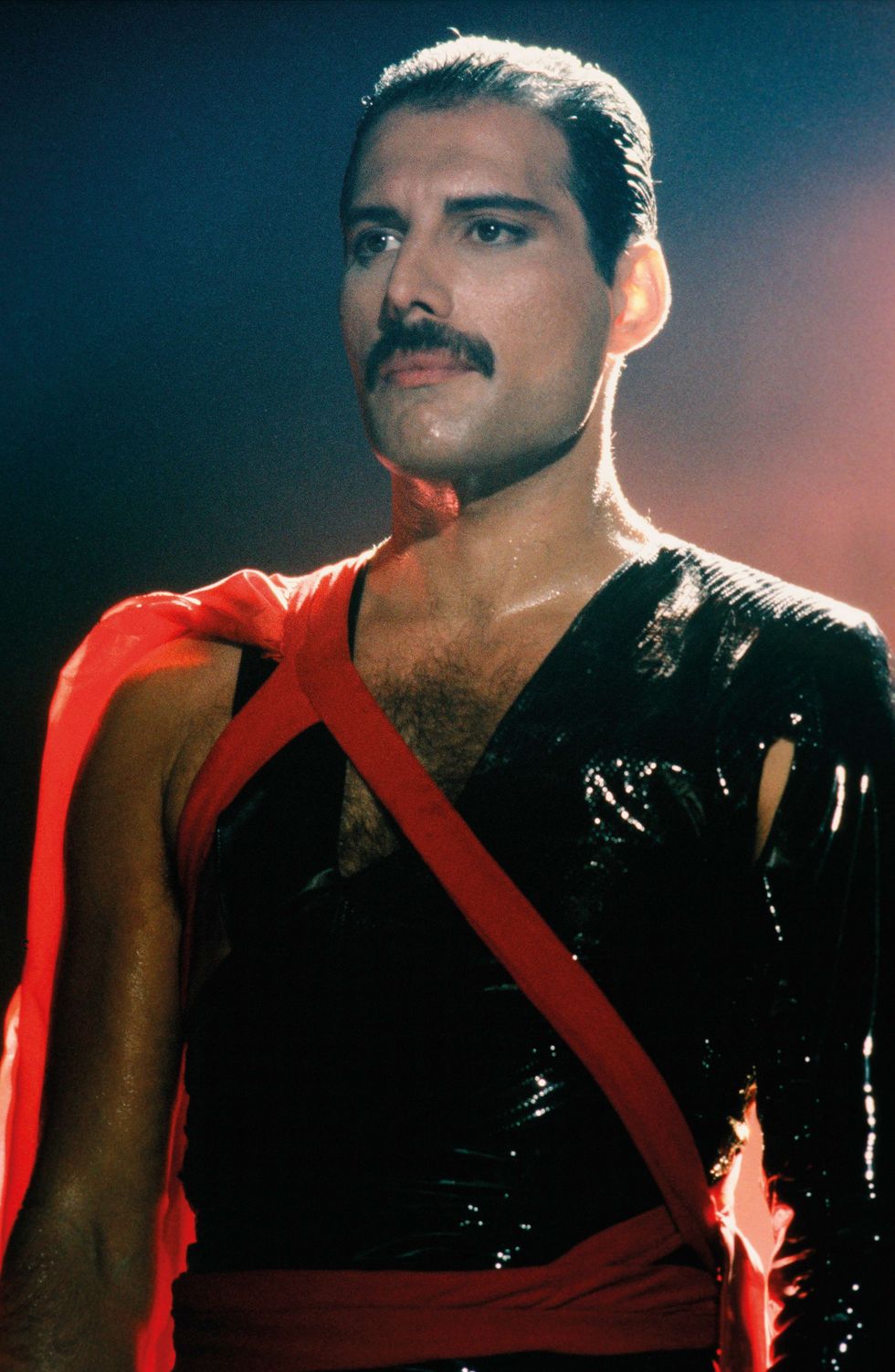
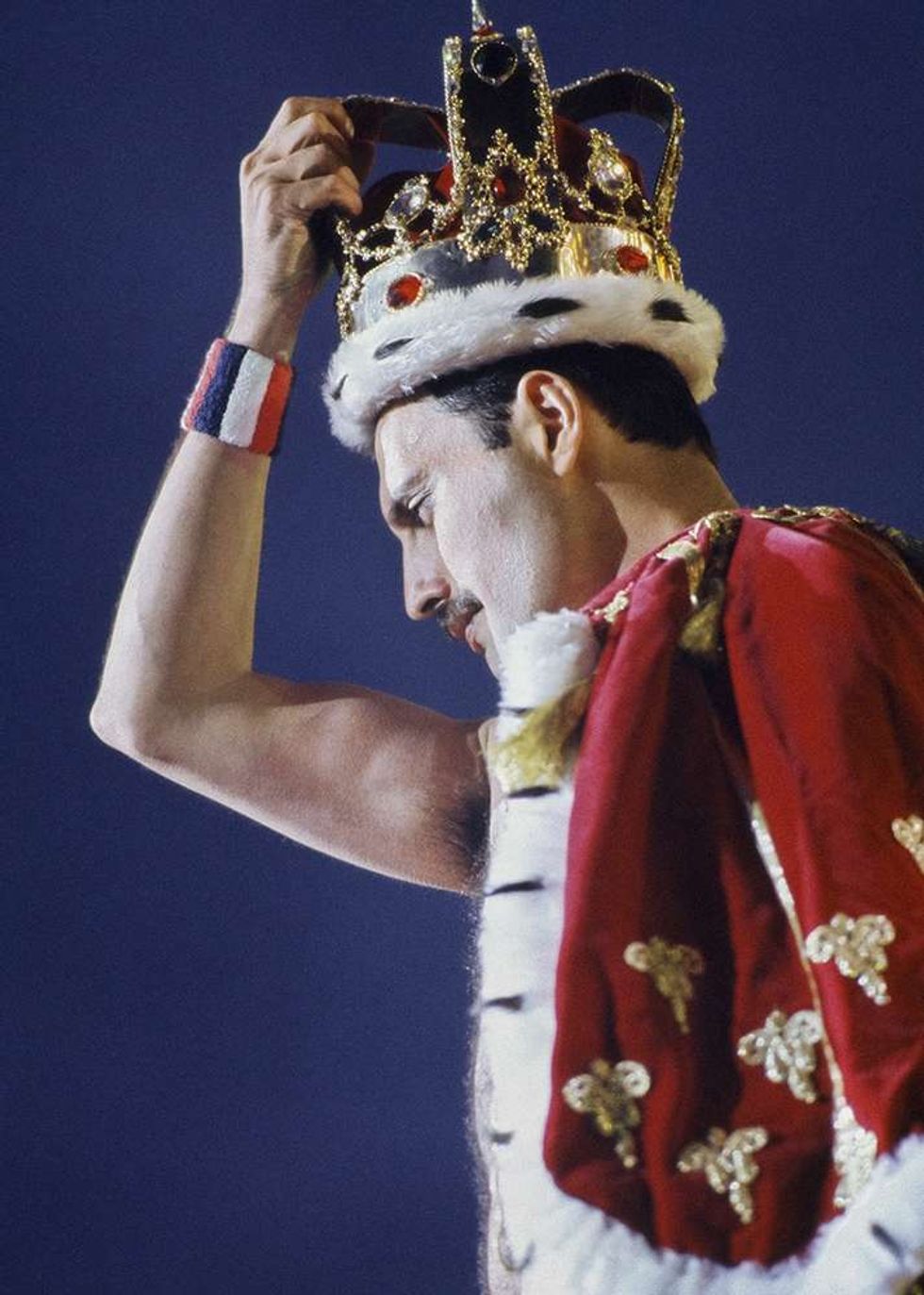 Freddie Mercury, Magic Tour (1986) Denis O’Regan