
Authorities in India's capital warned Tuesday (9) that they expect cases in Delhi to shoot up almost 20 times to more than half a million in the coming weeks.
India is easing its national lockdown to ease the devastating economic blow dealt by the virus, but the disease is still raging across the world's second-most populous nation with around 270,000 reported infections -- the fifth-highest caseload in the world.
It has reported almost 10,000 new infections in the past 24 hours with crowded megacities like Mumbai and Delhi the worst hit.
Manish Sisodia, Delhi's deputy chief minister, said after a crisis meeting that authorities expected infections to soar to 550,000 by the end of July, up from almost 30,000 at present.
"There will be 44,000 cases by June 15, 100,000 by June 30, 225,000 by July 15, and we'll need to prepare necessary infrastructure accordingly," Sisodia told reporters.
He said the city of around 20 million people, where hospitals are already stretched and anecdotal evidence suggests crematoriums are struggling, needed 80,000 hospital beds.
Delhi's health minister last week said that it had around 9,000 beds available for coronavirus patients.


 Prada confirms Kolhapuri chappals inspired its 2026 Milan collectionInstagram/
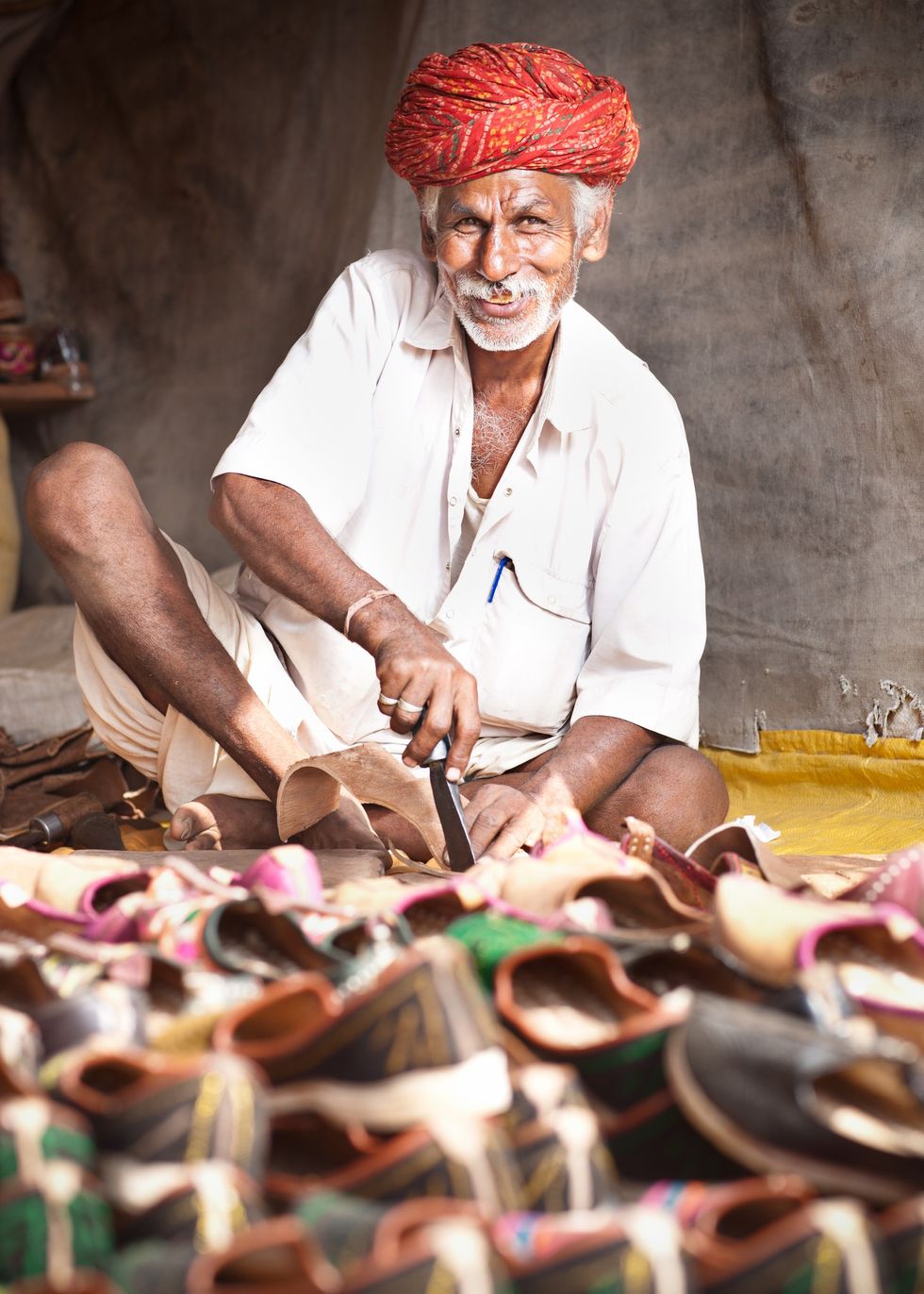 Kolhapuri chappals have been crafted for centuries and received GI tag in 2019 iStock




 Wintour also became synonymous with the Met GalaGetty Images


Police may probe anti-Israel comments at Glastonbury