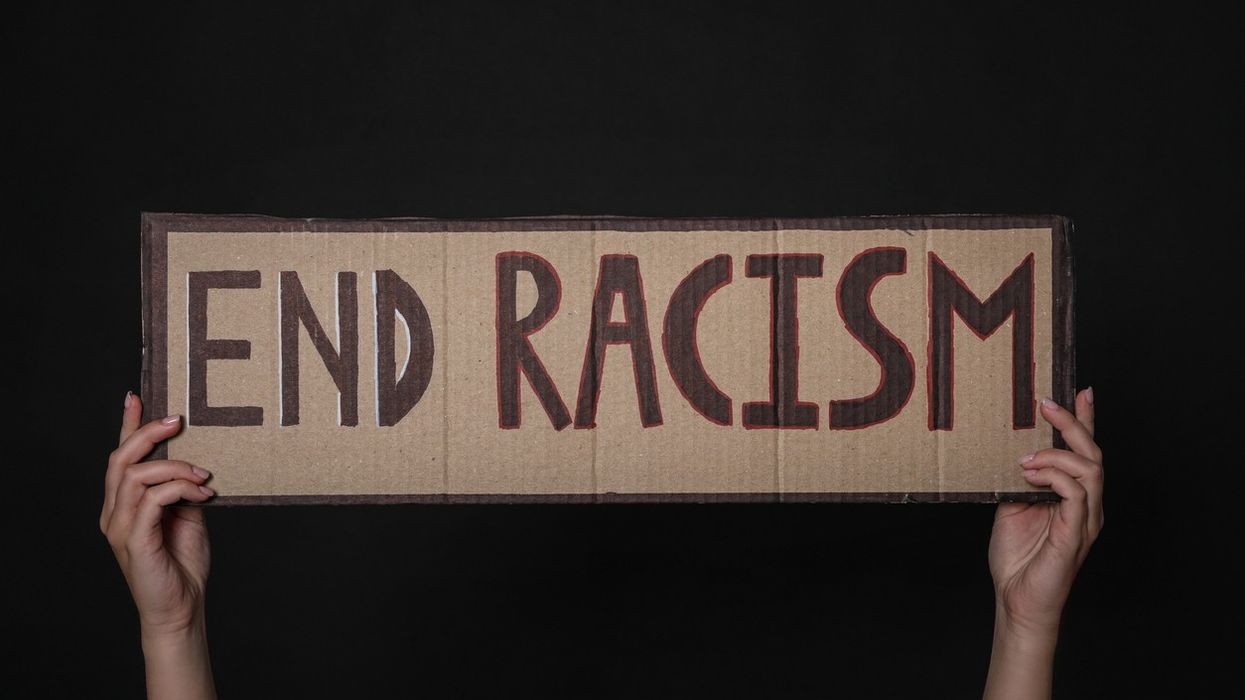
An independent audit into the working of Unicef UK revealed that some people of colour at the charity regularly experienced covert racism.
Covert racism and unconscious bias are “part of life” for some workers at the organisation, the review, proactively commissioned by it, said.
Leadership specialist Full Colour, which conducted the audit after Unicef UK was publicly accused of institutional racism in 2021, identified 24 types of microaggressions at the charity.
According to the report, microaggressions are attitudes, behaviours and use of language that intentionally or unintentionally diminish people from minoritised groups.
Some of the ethnic minority participants said they directly experienced racism or microaggressions or they had heard from colleagues about the experiences of others around racism.
Some respondents also felt there was systemic or institutional racism at Unicef UK and people of colour were less able to progress at the charity.
However, Full Colour acknowledged the progress made by the charity since the commissioning of the review in the autumn of last year.
It said foundations were laid for creating a culture of inclusion and enabling leaders to take a more active role in driving change. This included training for leaders and staff on equity diversity. The charity also established departmental, team and personal objectives around inclusion, the report said.
The charity also said an action plan would be shared with staff in January next year to enable it to become an anti-racist organisation.
Unicef UK chief executive Jon Sparkes, who joined the charity in January this year, said any form of racism was “intolerable” and apologised to his colleagues.
Sparkes said: “This is not an easy truth or reality to be faced with, but I know that we need to understand the problem fully, in order to move forward.”
“We fully accept the report’s findings and recommendations and acknowledge that, even though we have made much progress, we have some way to go to becoming a truly anti-racist organisation,” he said promising that the organisation would “learn, build, and grow from here.”
Covert racism part of life for some at Unicef UK, independent audit finds
Charity CEO apologises to colleagues and promises progress.