
Periods. That dirty word. The word that makes most men extremely uncomfortable and women sigh at the thought of the monthly menstrual cycle.
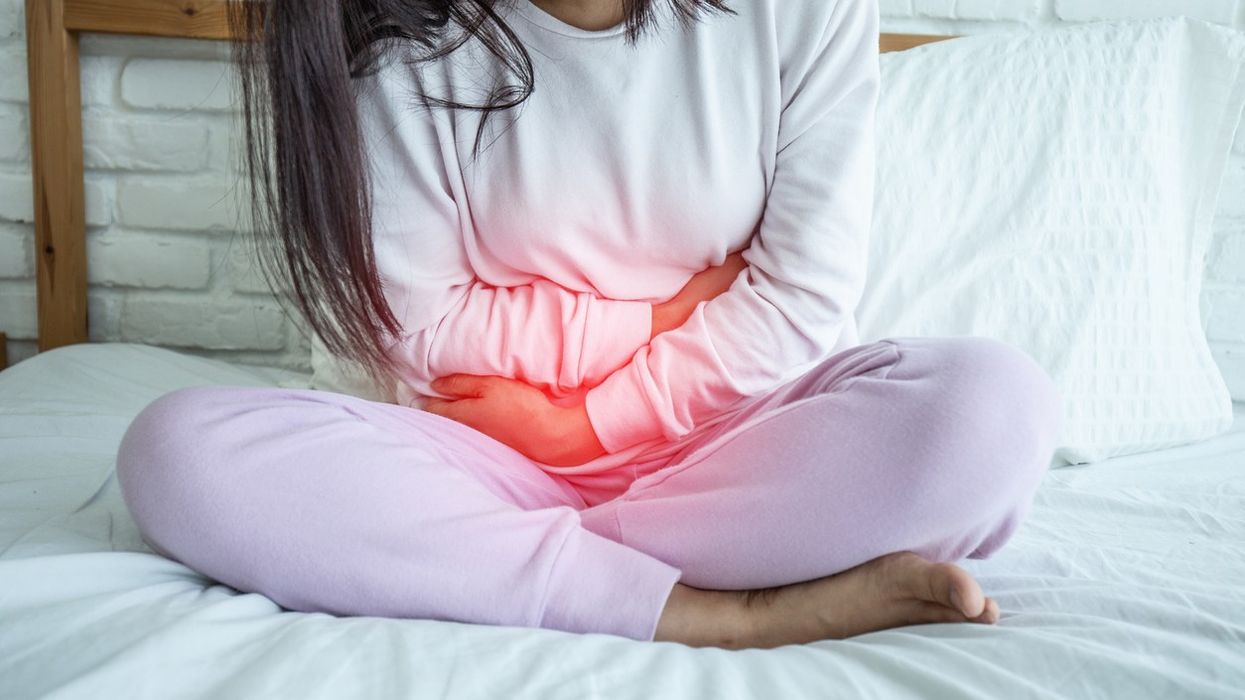
On a monthly basis, women go through erratic moods, painful boobs, cramps that make you just want to physically rip out your abdomen, and for what, to give birth? What about the women who will never have or don’t want children? Surely, they should have the choice to opt out from the excruciating pain that is the menstrual cycle, which, as you get older, seems to get worse.
There has been a lot in the news about periods lately. Spain is planning a new law where women get three days a month menstrual leave for those who experience severe pain. In January 2021, the UK became the latest country to scrap the tampon tax. But why are people still so uncomfortable talking about nature’s way of telling us we’re not pregnant? So, here’s my take on a couple of things.
First of all, I want to talk about those mood swings around your period, when you turn into a werewolf. I feel sorry for those who have partners, because, admittedly, I know I am a pain in the backside – getting irritated at the smallest things, crying at the drop of a hat, and wanting to punch everything in sight. Then there are the changes to your appetite. I can eat an entire large pizza in one sitting and still want a box of potato wedges and a can of coke with some chocolate for afters.
Secondly, since I turned 40, I can feel my body changing. I have a family history of health issues in the female reproductive area, so I am always quick to notice changes and will always seek medical advice when I notice something new. Usually, the advice from the doctor or when I ask my older sister if she had the same thing, will be ‘Priya, you are 40 now and your body is changing.’ This is something I have started to accept when there is a longer gap between my periods, my mood swings are worse, and my cramps are more painful. Many women can be peri-menopausal in their 40’s. The NHS website defines perimenopause and menopause as: ‘perimenopause is when you have symptoms before your periods have stopped. You reach menopause when you have not had a period for 12 months.’
The thing to remember is, every woman will go through this at some point in their lives, so do not feel alone. One of the best things you can do when you are going through changes is talk to your friends or family members. Chances are they would have gone through the same thing and will be able to advise on how to handle the pain, moods, and general changes. We got this ladies, we’re strong and can take on anything.
Follow Priya Mulji on www.twitter.com/priyamulji or log onto www.priyamulji.com



 An Iranian woman walks past an anti-US and Israel billboard featuring Donald Trump in TehranAtta Kenare/ AFP via Getty Images