
ENEMIES of the BBC will demand that Tim Davie’s successor as director general be someone who supports US president Donald Trump, rejects the notion that Israel has carried out genocide in Gaza, and is generally sympathetic to right-wing politics. A BBC that looks more like GB News would be perfect.
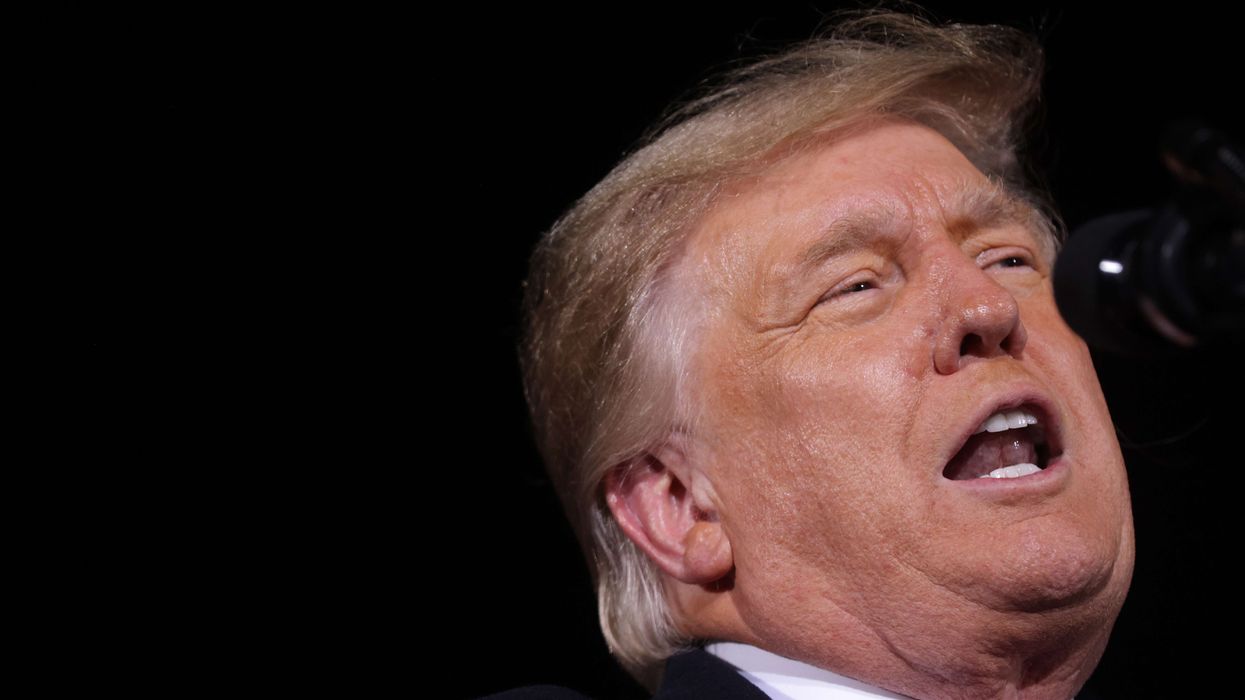
Any normal person reading Trump’s entire speech on January 6, 2021 – which preceded the riots at the Capitol by his supporters, whom he had egged on by falsely claiming that the 2020 presidential election had been stolen from him – would acknowledge that the two things were cause and effect.
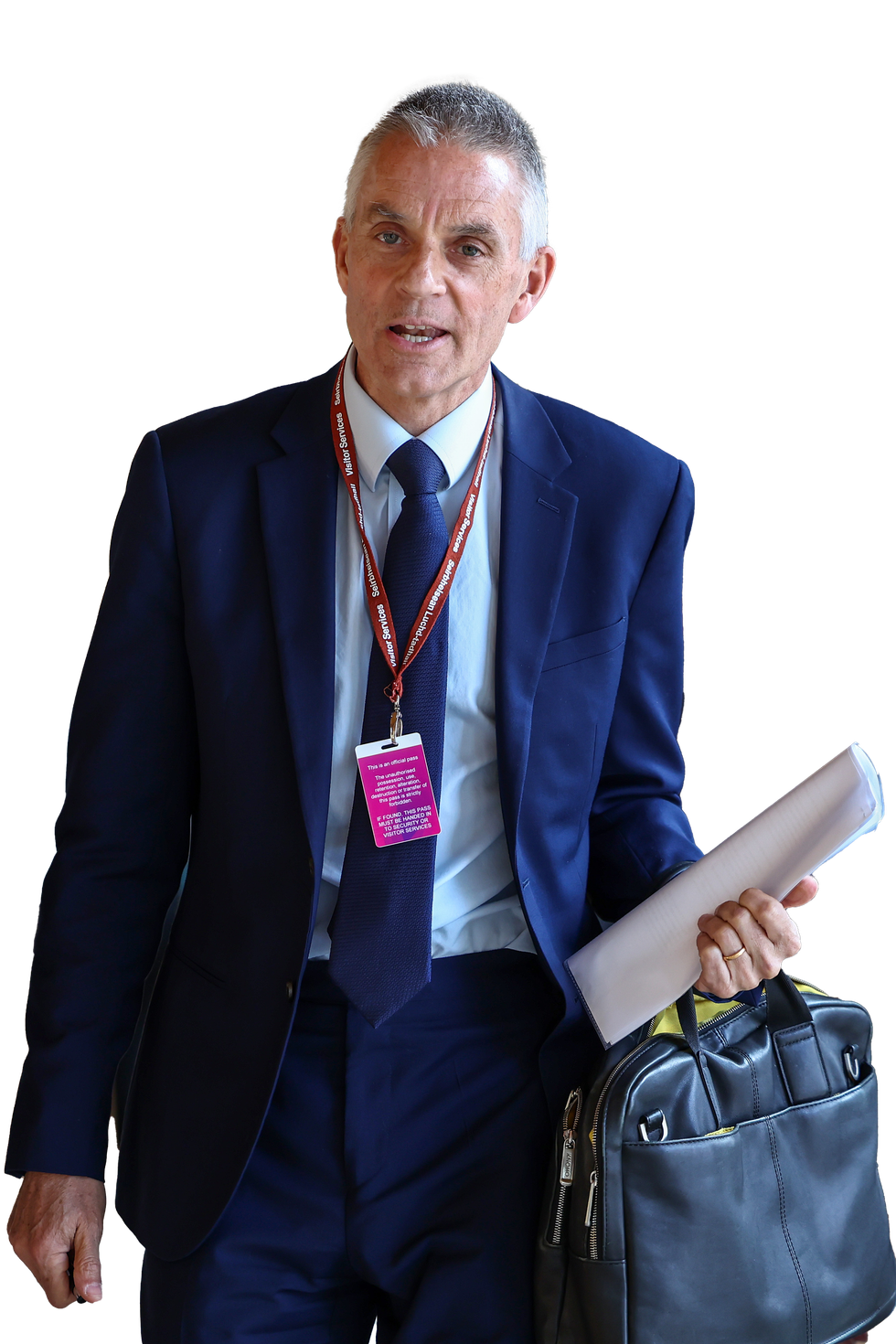 And , Tim Davie
Unfortunately, the Panorama documentary spliced together two quotes 50 minutes apart to have Trump saying: “We’re going to walk down to the Capitol... and I’ll be there with you. And we fight. We fight like hell.”
But he did say: “You will have an illegitimate president. That’s what you’ll have. And we can’t let that happen.”
What does that mean?
He also said: “We won in a landslide. This was a landslide. They said it’s not American to challenge the election. This the most corrupt election in the history, maybe of the world.”
And: “We must stop the steal and then we must ensure that such outrageous election fraud never happens again, can never be allowed to happen again.”
I recall a speech we had to memorise at St Xavier’s School in Patna (India), – Mark Anthony’s very clever way of manipulating the crowds who were initially in favour of Julius Caesar’s assassination. In Shakespeare’s play, Antony tells them that he cannot tell them they are the beneficiaries of Caesar’s will because that would enrage them into taking action against Brutus and the other conspirators (“such honourable men”).
Antony words are worth reading in full to understand the underlying meaning of Trump’s speech:
ANTONY: “But here’s a parchment with the seal of Caesar;/ I found it in his closet, ‘tis his will:/ Let but the commons hear this testament – / Which, pardon me, I do not mean to read – / And they would go and kiss dead Caesar’s wounds/ And dip their napkins in his sacred blood,/ Yea, beg a hair of him for memory,/ And, dying, mention it within their wills,/ Bequeathing it as a rich legacy/ Unto their issue.”
Fourth Citizen: “We’ll hear the will: read it, Mark Antony.”
All: “The will, the will! We will hear Caesar’s will.”
ANTONY: “Have patience, gentle friends, I must not read it;/ It is not meet you know how Caesar loved you./ You are not wood, you are not stones, but men;/ And, being men, bearing the will of Caesar,/ It will inflame you, it will make you mad:/ ‘Tis good you know not that you are his heirs;/ For, if you should, O, what would come of it!”
Possibly a riot at the Capitol? My guess is that Caesar’s will was fake news – it probably didn’t even exist.

 Kees Van Dongen’s The White LadyAmit Roy