Skip to content
Search

Latest Stories

Submit Guest Post

Caste in US politics

By Amit Roy

IT IS easy to sympathise with the Pulitzer prize­winning American jour­nalist, Isabel Wilkinson, who has drawn lessons for the US from her per­sonal experiences out­lined in her book, Caste: The Lies That Divide Us (Allen Lane, £20).


On one occasion, when she went to interview a shop owner in Chicago’s Magnificent Mile, the city’s premier commer­cial district, she was told to leave because he was “preparing for an impor­tant appointment with The New York Times”.

This anecdote reminds me of a black colleague whom I won’t name but we sat opposite each oth­er for a number of years. On one occasion he, too, went to interview some­one who rang the office after waiting for a while to complain: “There’s no one here.” All the while, the reporter was standing next to him.

After the Black Lives Matter movement be­came active again in America following the killing of George Floyd, I did wonder whether the race divisions in the country were so deep that the only solution was a partition of the US to create a separate land for African Americans.

Although this is a little far-fetched, Wilkinson has likened the cracks in American society to the caste divisions in India: “Caste is more than rank, it is a state of mind that holds everyone captive, the dominant imprisoned in an illusion of their own entitlement, the subordi­nate trapped in the pur­gatory of someone else’s definition of who they should be.”

Add EasternEye As Your Trusted Source
preferred source on google news

More For You

When protest becomes a pogrom: The Home Office must draw a clearer line

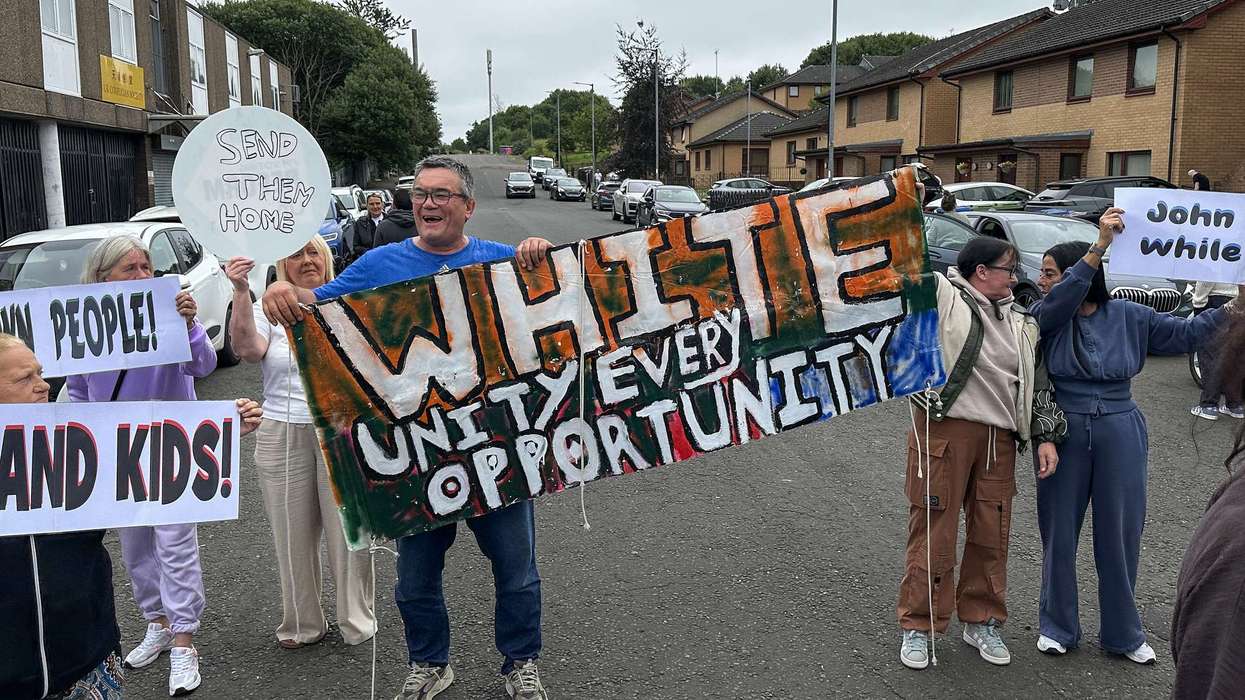
An anti-migrant protest in Glasgow’s Possilpark on July 11, 2026, amid rising tensions and violence over migration across parts of UK

Getty Images

When protest becomes a pogrom: The Home Office must draw a clearer line

Sunder Katwala

IT TOOK three nights of violence in Thetford, Norfolk for the police to restore order. A crowd chanted “get them out” and “deport, deport, deport” as they pelted a house with eggs and smashed the windows. Several dozen people tried to break down the door, hoping to confront the people inside, violently attacking the police who blocked them.

This violent criminality was not political protest, but an attempt at a xenophobic pogrom to drive out asylum seekers housed in the property. The police relocated them elsewhere for their own safety. That felt like ‘mission accomplished’ for the angry crowd. Online, extremists suggested other places could target asylum seekers’ homes to emulate Thetford’s success. Disorder in Belfast and Epping had seen a crime, committed by an asylum seeker, used to mobilise collective punishment against migrants and other ethnic minorities. Nobody involved in the Thetford disorder suggested those in the house targeted had caused any trouble. The mere presence of asylum seekers in the town was perceived as a threat – from “illegals” or “invaders”.

Keep ReadingShow less