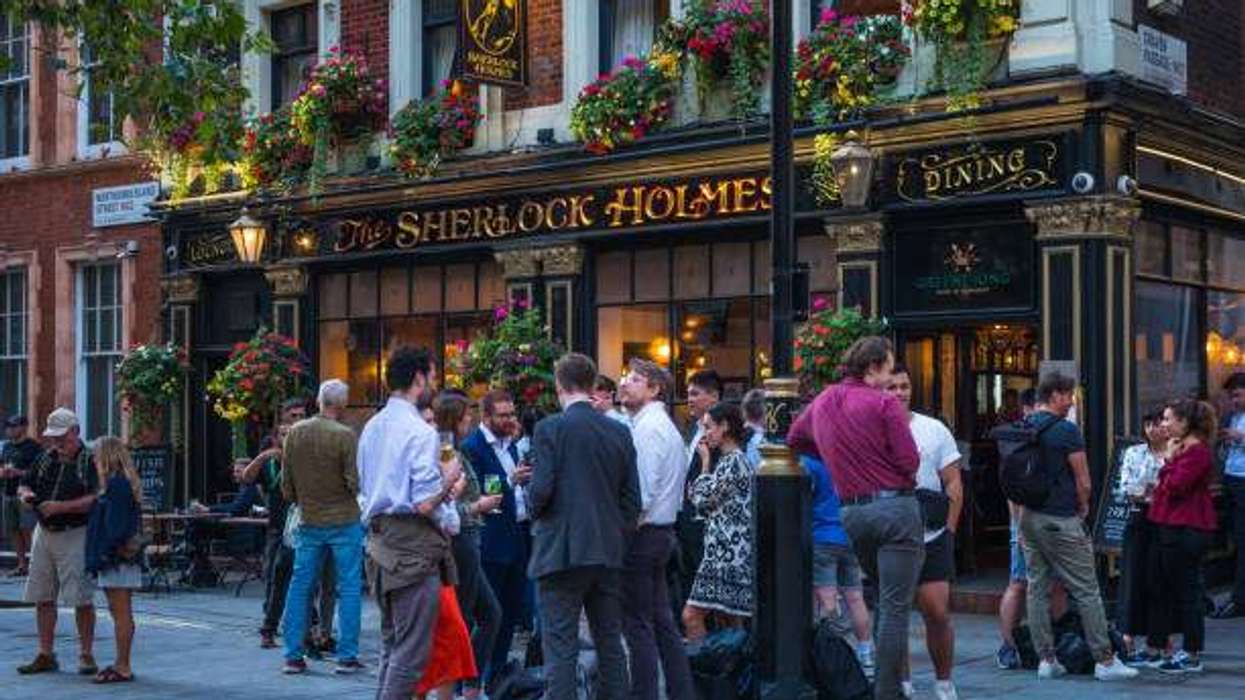

- Nearly 32,000 pubs, clubs and live music venues in England will receive a 20 per cent business rates cut from April.
- The relief follows months of industry frustration over soaring business rates and rising operating costs.
- Hospitality leaders have welcomed the move but are urging the government to extend support beyond pubs and overhaul the wider business rates system.
Business rates have become one of the biggest flashpoints between Britain's pub sector and Labour in recent months. After widespread criticism over soaring tax bills and even reports of some pub operators boycotting Labour MPs, prime minister Andy Burnham is now trying to change the conversation with fresh relief for thousands of hospitality businesses.
The government has announced a 20 per cent cut in business rates for pubs, clubs and live music venues across England from April, benefiting nearly 32,000 businesses. Ministers estimate the average pub will save around £1,100 in the next financial year. The relief comes on top of the existing 15 per cent discount introduced earlier this year, although many operators say it only partly offsets the sharp increases they have already faced following the latest business rates revaluation.
The announcement forms part of Burnham's broader push to reduce living costs during his first week in office. Alongside the business rates package, the government has unveiled plans to remove VAT from household electricity bills and restore the £2 bus fare cap across England.
A fresh approach to a long-running business rates debate
Business rates have been a growing concern for hospitality businesses as higher property valuations, the withdrawal of pandemic-era support and rising operating costs combined to push bills significantly higher. The issue became particularly contentious earlier this year, with some pub operators refusing to serve Labour MPs in protest over what they described as an unsustainable tax burden.
The latest package appears to signal a different approach. According to the government, the additional relief will be funded by reviewing business rates relief available to businesses considered not to make a positive contribution to local communities, including vape shops. Ministers also plan to tighten enforcement against online marketplace sellers that fail to meet their UK tax obligations, saying compliant businesses should not be placed at a disadvantage.
Burnham said the government wanted to support the businesses communities value most and protect pubs and local high streets, as quoted in a government statement. He described the announcement as the start of wider efforts to revive local economies and support growth.
The support will apply to pubs, clubs and smaller live music venues, while the largest music venues will be excluded. Chancellor John Healey has also confirmed that broader reforms to the business rates system, including changes to small business rates relief, will be considered at the next Budget.
Relief welcomed, but hospitality says the job isn't finished
Industry groups broadly welcomed the announcement but said the government must now address the wider challenges facing hospitality businesses.
Tina McKenzie, policy chair of the Federation of Small Businesses, reportedly described the announcement as a "downpayment" ahead of the next Budget, adding that increasing small business rates relief would be essential to support investment, jobs and growth, as quoted in news reports.
Kate Nicholls, chair of UKHospitality, also welcomed the additional support but argued that restaurants, cafés and hotels face many of the same pressures as pubs. She reportedly said broader business rates reform would be needed if the government wanted to deliver a genuine revival of Britain's high streets.
Independent operators echoed that view. Liverpool pub owner Iain Hoskins reportedly said his venues had experienced business rates increases of between 100 per cent and 150 per cent following the latest revaluation. While the additional 20 per cent relief would help reduce some of those costs, he said businesses were still paying considerably more than they had before, as quoted in a news report.
The announcement comes as the government faces questions over how it will fund a series of cost-of-living measures introduced during Burnham's first week in office. Officials said the business rates package would be financed through changes to existing reliefs and stronger tax enforcement, while the electricity bill VAT cut and the return of the £2 bus fare cap will each have separate funding mechanisms.
For Britain's pubs, however, the immediate question is likely to be less about politics than whether another round of business rates relief can provide meaningful support at a time when energy, wages and borrowing costs continue to weigh heavily on the sector.