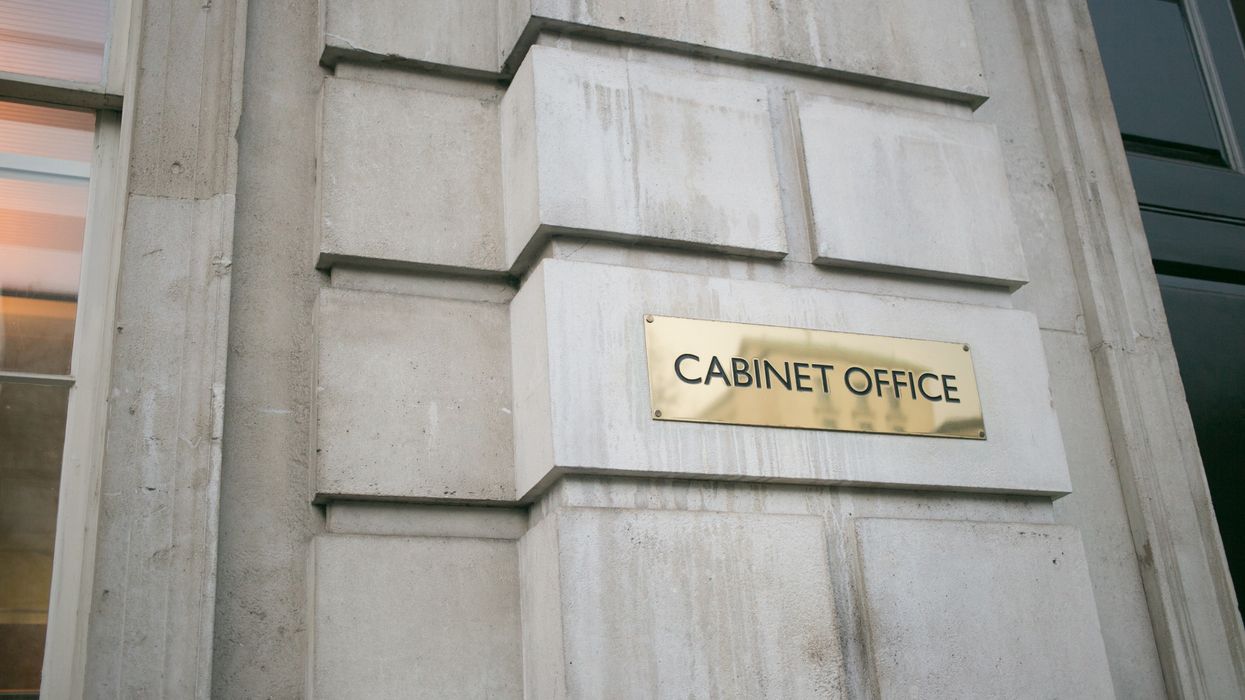

THE UK government’s Cabinet Office will cut 2,100 jobs over the next two years, according to officials. The move is part of prime minister Keir Starmer’s plan to reduce the size of the civil service due to financial pressures.
A government source said the department, which currently employs around 6,500 people, will reduce staff by almost a third. Of the 2,100 roles affected, 1,200 will be cut through redundancies, while 900 employees will be moved to other ministries.
“We are furthering plans to make the Cabinet Office more strategic, specialist, and smaller so it can better serve the public and support the government,” a Cabinet Office spokesperson said.
The job cuts come after Starmer pledged to reduce the cost of bureaucracy and make the civil service, which has around 500,000 staff, more “agile”.
Last month, chancellor Rachel Reeves said she aims to reduce the cost of running government by 15 percent over four years. This is expected to save £2.2 billion annually.
Speaking to the BBC, Reeves said it would be up to individual departments to decide how many jobs would be cut, but the total number of civil servants could fall by 10,000.
She also outlined several billion pounds of spending cuts in response to economic challenges, including concerns over tariffs under US president Donald Trump and the ongoing war in Ukraine.
Reeves has pledged not to raise taxes and is working within fiscal rules that limit borrowing for day-to-day spending and require debt to fall as a share of GDP by 2029-30.
The Cabinet Office said it expects to save £110 million by 2028 through the job reductions and greater use of artificial intelligence.
Mike Clancy, general secretary of Prospect, a trade union representing specialist civil servants, said the “blunt cuts” will “make it harder” for the department to fulfil its role.
(With inputs from AFP)