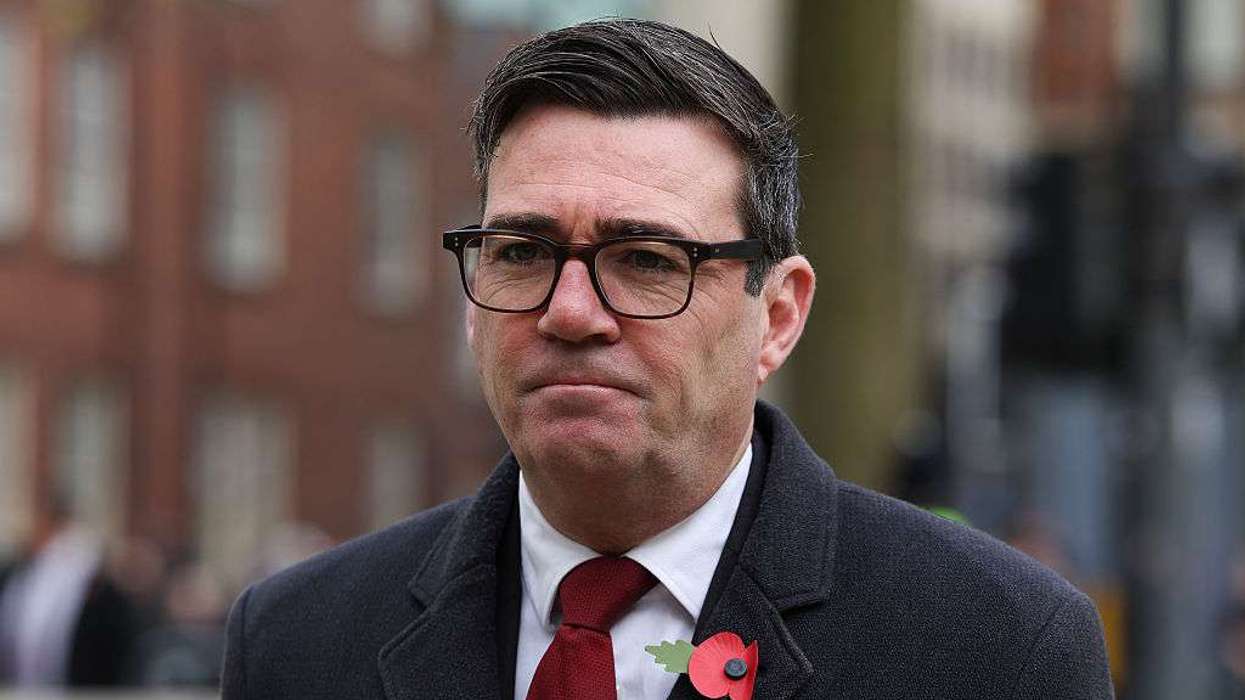

- The Government has dropped plans to increase the personal tax-free allowance, citing pressure on the public finances.
- Most bus fares in England will be capped at £2 from January 1, 2027.
- Ministers say the measures are aimed at easing living costs, although questions remain over funding.
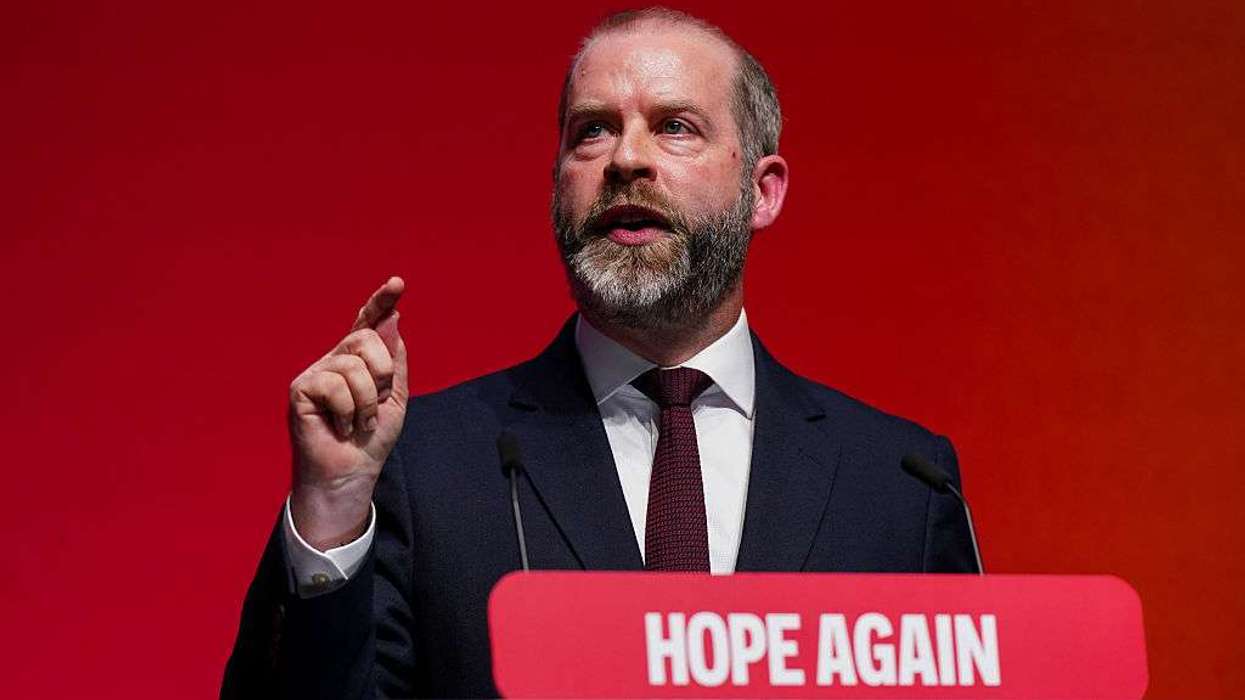
Anyone hoping for a higher personal tax-free allowance under prime minister Andy Burnham will have to wait.
After suggesting during the election campaign that raising the tax-free allowance was one of the issues raised most often by voters, Burnham has now ruled out the move, saying the UK's financial position makes it too expensive. Instead, the Government has announced that the £2 bus fare cap will return across most of England from January 1, 2027, positioning it as another measure to help households cope with the cost of living.
The decision marks one of Burnham's first policy reversals since entering Downing Street and comes just a day after he announced the removal of VAT on household electricity bills.
The personal allowance is the amount people can earn each year before paying income tax. It has remained frozen at £12,570 for the past five years, leading to growing calls for an increase as wages and living costs have risen.
Burnham had previously suggested that increasing the allowance could provide households with a more noticeable financial boost. However, he has since said the proposal would be costly and difficult to deliver given the state of the public finances.
The change reflects the Government's attempt to balance support for households with tighter spending constraints, as ministers continue to face questions over how new policies will be funded.
Cheaper bus fares instead
Rather than changing the tax threshold, the Government is bringing back the £2 cap on single bus fares across participating services in England outside London from January 1, 2027.
The nationwide fare cap currently stands at £3 and is due to remain in place until March 2027. Some areas, including Greater Manchester and London, already operate lower fares through local transport schemes.
The Government said the restored £2 cap would cost more than £500 million, with £454 million expected to come from funding reallocated from the Department for Energy Security and Net Zero, alongside money already set aside by the Department for Transport.
Transport secretary Heidi Alexander reportedly said the measure would give households "a little bit of hope" at a time when many families continue to face higher living costs. However, she also acknowledged it would not solve the wider cost-of-living challenge.
The £2 bus fare cap was first introduced by the previous Conservative government in January 2023 as a temporary cost-of-living measure and was later extended. Before that, Burnham had introduced a similar £2 cap across Greater Manchester in September 2022 while serving as mayor.
According to the Office for National Statistics, the scheme helped reduce inflation during 2023. A later evaluation found it contributed around 5 per cent of the 13 per cent increase in bus use during its first ten months, with lower-income passengers benefiting the most financially. However, the review also suggested it offered limited value for money because savings varied depending on local fare levels.
By March 2025, local bus journeys in England outside London had recovered to around 1.9 billion, or roughly 93 per cent of pre-pandemic levels.
The policy has nevertheless drawn criticism from the Opposition. Shadow chancellor Mel Stride reportedly questioned how the Government would pay for the scheme, arguing ministers had announced another spending commitment without fully explaining its long-term funding.
For now, the Government appears to have chosen targeted support over broader tax changes. While a higher personal allowance has been shelved, ministers hope cheaper bus travel and other cost-of-living measures will provide more immediate relief for households as pressure on family budgets continues.