
Highlights:
Travel vlogger Harry Jaggard has offered his verdict on luxury hotels in India and Pakistan, and, unsurprisingly, the internet has something to say about it.
Speaking on a Holafy podcast, Jaggard recalled staying at Mumbai's Taj Palace and Karachi's Pearl Continental. His conclusion was fairly blunt: the Indian property, he said, felt like a genuine five-star hotel, comparable with the luxury he has experienced in Dubai and the UK.
Pakistan's Pearl Continental, by comparison, apparently did not make the cut.
Jaggard said the Karachi hotel was "nowhere near the standard" of the Indian hotels he had experienced. He went further, suggesting that while an Indian five-star hotel feels like a five-star property in Dubai or Britain, a Pakistani or Bangladeshi five-star hotel can feel more like a four-star or even three-star establishment.
Quite the hotel report card.
He also praised India's economic growth and rising affluent and middle-class population, arguing that the country's expanding wealth is increasingly reflected in its luxury hospitality sector.
But there is a rather large problem with this comparison: why are we assuming a British hotel is the universal measuring tape for luxury in the first place?
Britain does hotels. India does hospitality.
A luxury hotel in Britain often prides itself on being discreet. Staff are polished, the interiors are restrained and the service is designed to make everything feel effortless.
In other words, if you barely notice anything happening, the hotel is probably doing its job.
India tends to take a somewhat different approach.
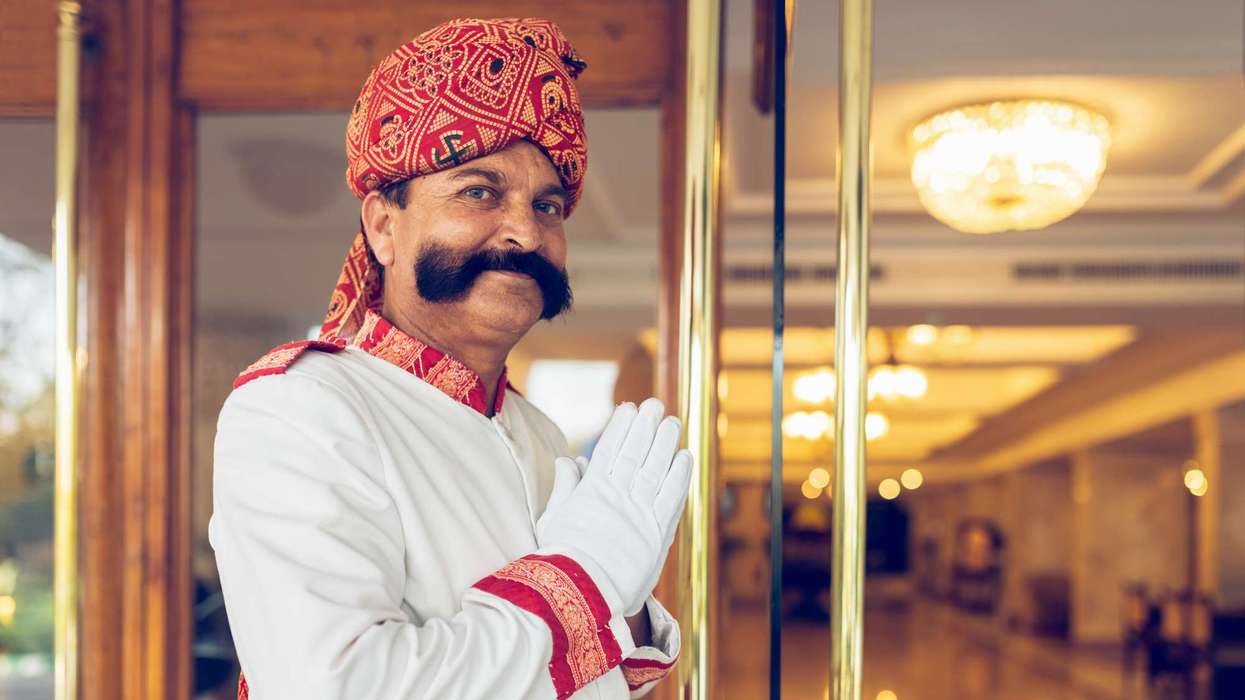
Here, hospitality can be deliberately visible. Guests may be welcomed with flowers, traditional rituals, a cup of chai or a staff member who remembers where they travelled from. The property may smell of incense, serve regional dishes and incorporate centuries-old architectural traditions.
That is not a failed attempt at British luxury.
It is Indian luxury.
And judging it by whether it behaves like a London hotel rather misses the point.
You cannot remove culture from hospitality
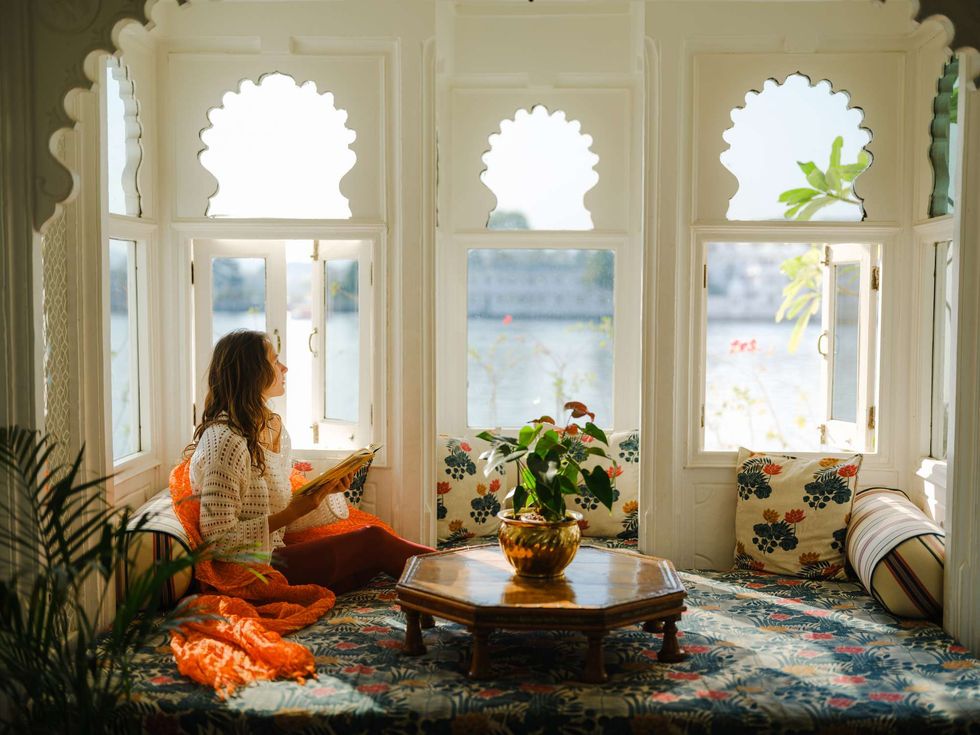
Take a heritage hotel in Rajasthan. Its courtyards, carved stonework, frescoes and palace architecture are not simply expensive decoration. They are part of the story of the place.
A luxury property in Kerala may draw on local architecture, waterways and cuisine. A hotel in Mumbai can exist within the city's colonial, commercial and cinematic history.
Then there is the Taj Palace in Mumbai, the property Jaggard praised. Its appeal is not merely the size of its rooms or the polish of its service. It carries history — including the devastating 2008 terrorist attacks and the hotel's subsequent reopening and restoration.
That cultural and historical context cannot be recreated by installing another marble bathroom and putting a five-star plaque outside.
And then there is food
British luxury hotels can certainly do food brilliantly. But Indian hospitality has an unfairly enormous culinary advantage: India has an extraordinary number of regional food traditions packed into one country.
A hotel breakfast can move from dosas and idlis to parathas, poha and regional sweets before the croissant has even had time to become fashionable.
Dinner might mean Goan seafood, Punjabi dishes, Hyderabadi biryani or South Indian specialities — sometimes under the same roof.
Calling this "better" than British food would be just as simplistic as calling it worse.
It is simply different.
And that difference is precisely what makes travel interesting.
The same five-star badge does not mean the same experience
There is, of course, a legitimate point behind Jaggard's comments.
Luxury standards matter. Cleanliness, service, maintenance, food quality, room standards and consistency can be assessed objectively. Some hotels in India, Pakistan, Britain and elsewhere will simply provide better service than others.
But a hotel's star rating does not erase geography.
A five-star hotel in London is operating within one cultural tradition. A five-star hotel in Mumbai is operating within another. A palace hotel in Rajasthan, meanwhile, can offer something that neither can reproduce: a sense of place that is inseparable from its surroundings.
Trying to rank them all as though they are competing entries in Britain's Got Hotels is rather missing the point.
 iStock
The more interesting question
Instead of asking whether Indian or Pakistani hotels are "as good as" British ones, perhaps the better question is what each destination does with luxury.
Britain has perfected discretion, consistency and polished service.
India can offer grandeur, warmth, food, history and extraordinary cultural immersion.
Pakistan has its own architectural traditions, hospitality culture and heritage properties that deserve to be judged on their own merits rather than simply against a British benchmark.
Jaggard's experience is valid. His preference is valid too.
But perhaps the five-star hotel industry does not need a single winner.
After all, if every luxury hotel in the world tried to feel like a British hotel, travelling would become rather boring.





 Facebook
 Facebook