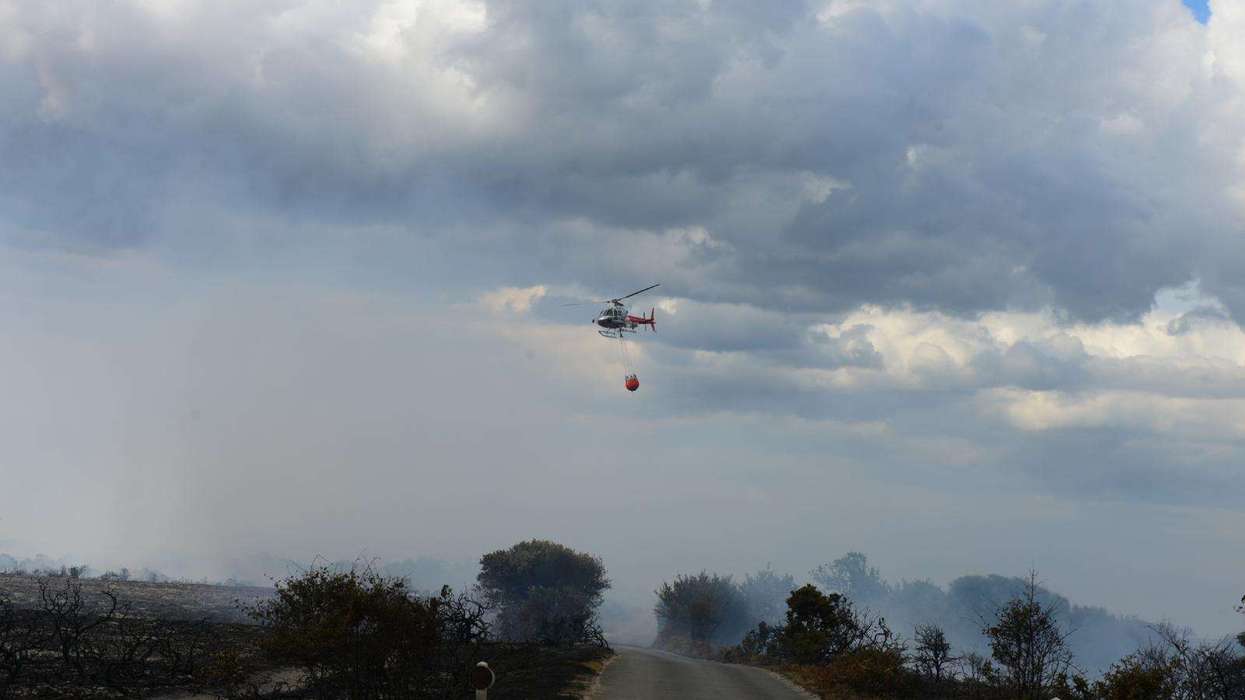

HILARY McGRADY, director general of the National Trust, has launched an emergency appeal after fire destroyed the equivalent of 220 football pitches on land the charity looks after in Dunwich Heath in Suffolk.
Wildlife has perished because of the inferno which began at around 5.30pm on Wednesday, July 29.
The area is home to everything from Dartford warblers, nightjars and stonechats to native reptiles such as adders, common lizards and slow worms. Fire travels quickly through heather and other shrubbery that makes up the majority of the heathland in Suffolk.
The 371-acre blaze began on the Minsmere site owned by the Royal Society for the Protection of Birds (RSBP) before spreading to the National Trust-owned Dunwich Heath.
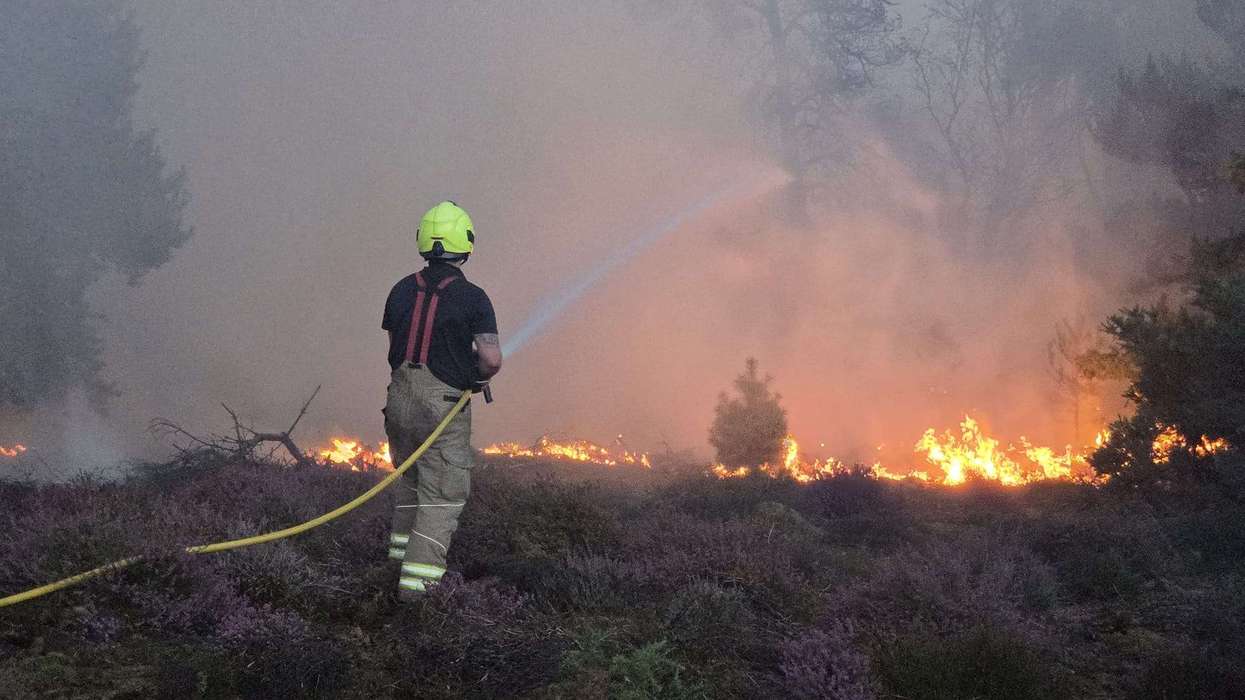
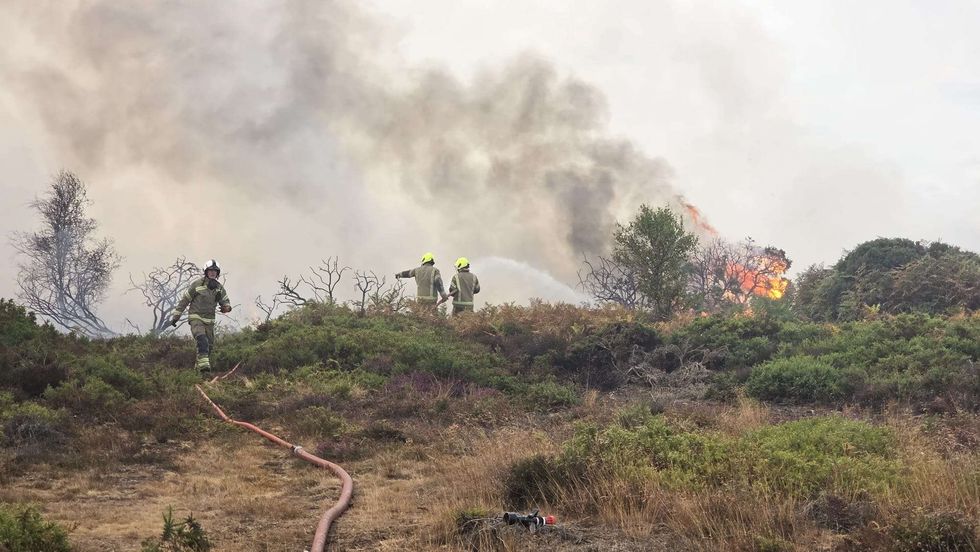 Fire services at work at Dunwich Heath Suffolk County Council
McGrady said: “We are looking at total devastation of a beloved and important landscape. We’ve lost precious habitats, wildlife, trees, and a place where people have made memories over generations. It’s heartbreaking.
“But together we can and will restore Dunwich, and crucially, make it more resilient and better adapted for the climate we’re facing now, and the climate we’ll be facing in future. We’re working hard to tackle climate change and prepare for more of it, but there’s more hard work to be done.”
She emphasised: “We can’t do it alone. We’re a charity that relies on public support in so many ways. If you can donate, however much, please don’t hesitate. Your money will go directly to the restoration of Dunwich, to regrow habitats and homes for wildlife, build more resilience into the landscape, and return this iconic place to the nation.”
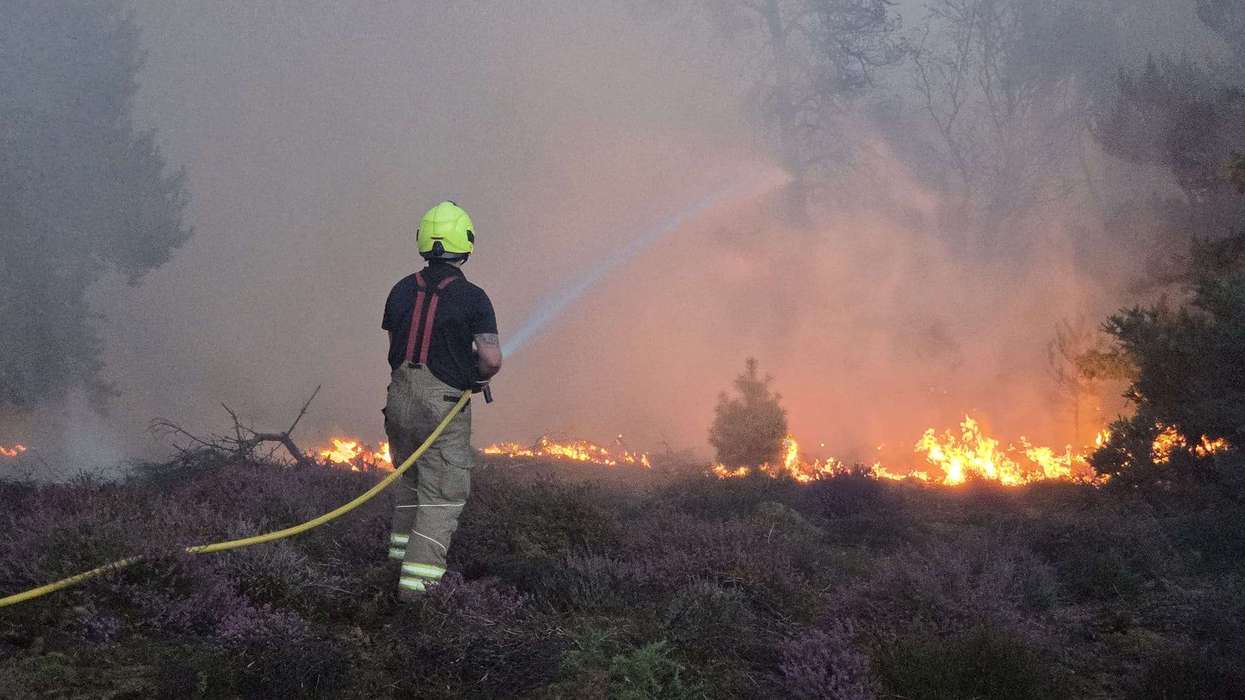 Fire services in action at Dunwich Heath Suffolk County Council
The fire at Dunwich Heath is one of around 200 to hit the UK in the past fortnight, including several on National Trust land. The Trust has called on the government to hold firm on climate action, including by keeping fossil fuels in the ground and embedding climate resilience across all policy decisions.
McGrady added: “This means building homes fit for the future, creating wetter and more resilient landscapes, cooling our towns and cities, and helping communities prepare for the weather we’re going to experience. It means taking steps now to protect our health, our heritage and our way of life.”
Matt Wilson, the National Trust’s countryside manager for Suffolk and Essex, says: “Dunwich is a special place, a special place for lots of people, partly where it sits in the coastal landscape, partly because what it’s surrounded by. We have the RSPB Minsmere next door, we have Natural England Western Heath just up the road, we have Dunwich Forest and into dingle marshes. It’s this huge landscape of wildlife habitat and natural biodiversity. Dunwich is part of the heart of that and it is important locally and nationally – and that’s been severely impacted now.”
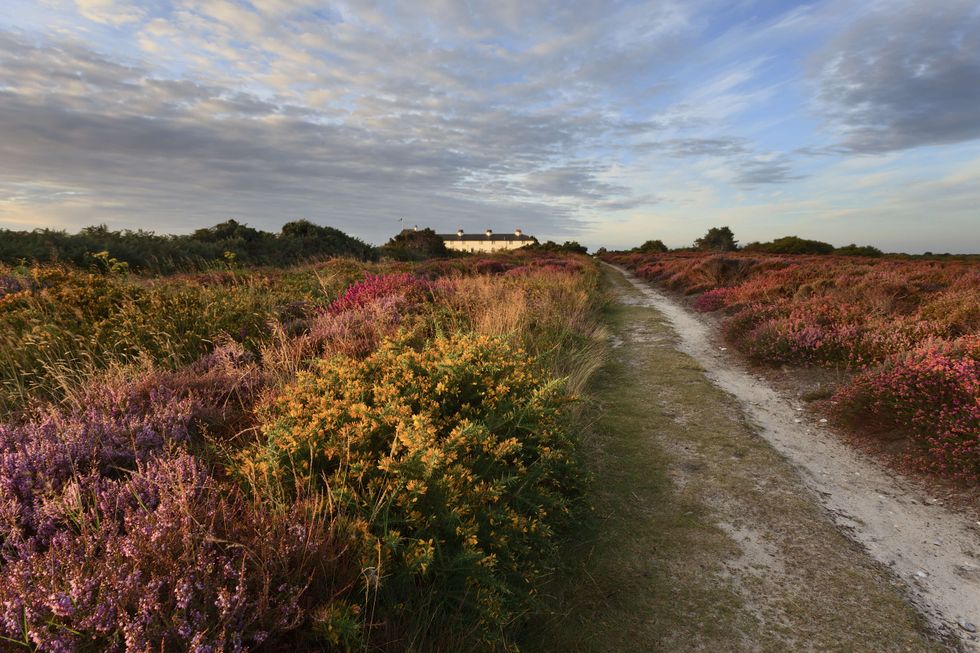 Path leading to holiday cottages on Dunwich Heath and Beach, Suffolk National Trust Images Justin Minns
Meanwhile, Russell Clement, general manager for the National Trust on the Suffolk coast, said the landscape had been significantly damaged, and it would “have a knock-on impact on the wildlife that calls Dunwich home. This is obviously heartbreaking news, as so many people will have fond memories of this precious landscape, which is normally covered in purple heather at this time of year.”
The cause of the fire has not yet been established but it could have resulted from an act of carelessness.
Retired ecologist Chris Keeling, who used to work for Natural England, urged people not to have barbecues or smoke cigarettes in the open.
“It’s so important we protect what is left, and now with climate change and these very dry summers it’s so important people behave responsibly,” he commented. “It’s sad to say that we have to be pushed to the threshold before we appreciate what we’re losing, but it’s so often the way with humanity.”
Wildlife habitats devastated by the “utterly sickening” fire at Dunwich Heath could take up to 25 years to recover, according to Adam Rowlands, the RSPB area manager in Suffolk.
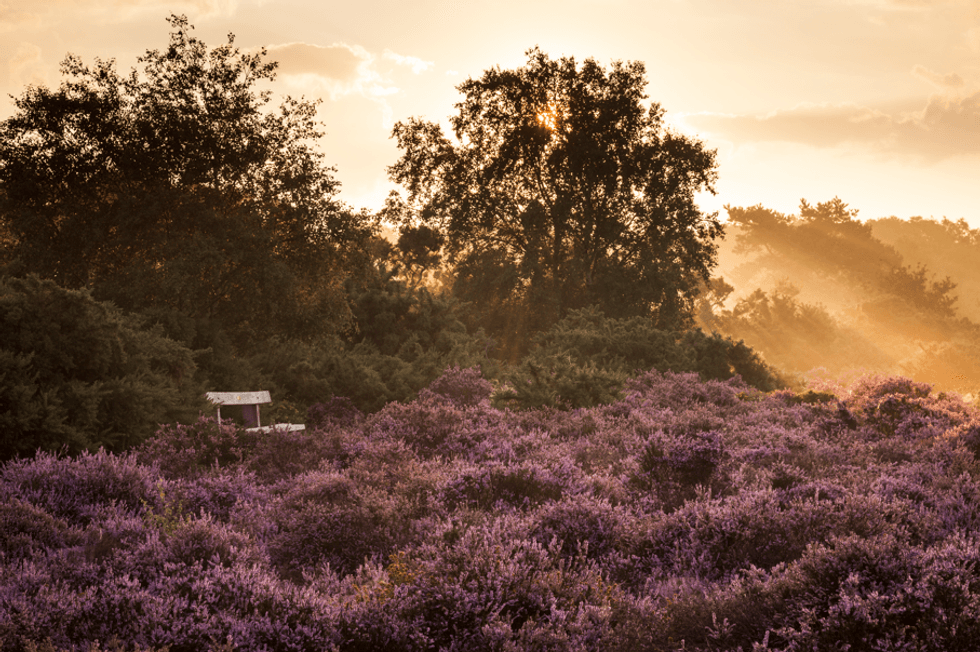 Heathland at Dunwich Heath, Suffolk National Trust Images Justin Minns
“The acrid smell, it’s not just smoke, you have a sense that animals have perished in the flames,” he said.
He said it was the biggest blaze at Minsmere “in living memory”, and added that rare species of butterfly would have been in the egg stage at the time of the fire, and bird populations would be at risk.
But he pointed out: “Most of them have finished breeding so they’ll be able to escape the fire, and we could see nightjars flying above the fireball up on the heath. But the problem is it will look like a scene of devastation afterwards. All the vegetation will go and the majority of those birds will lose the places where they nest. Some of that habitat will take five, 10, 25 years to come back to what it looked like before the fire broke out.”
The RSPB added: “While it’s too early to understand the full impact, it’s clear that this precious landscape has been profoundly affected, with significant loss of heathland and likely impacts on wildlife that will be felt for years to come.”
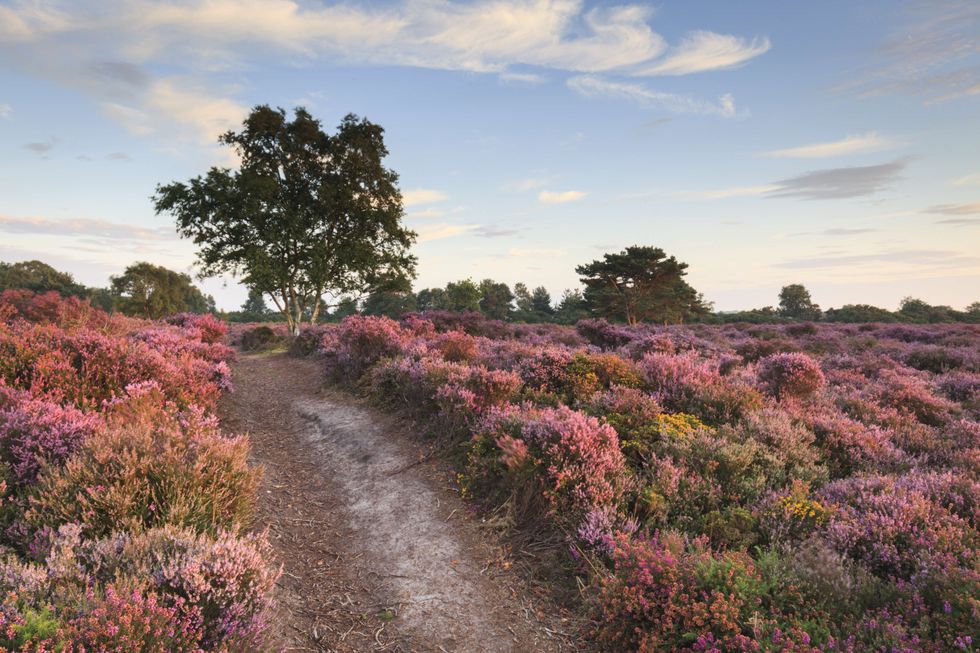 Pathway through heathland at Dunwich Heath, Suffolk National Trust Images Justin Minns
Sizewell B nuclear power station is about three miles (5km) from the site of the fire.
An EDF spokesperson said: “The fire at Dunwich Heath is not currently affecting operations at Sizewell B power station but we are continuing to closely monitor the situation. We are not on high alert."
Sizewell C power plant is not yet operational and is under construction, but sits further down the coast from the Dunwich Heath fire.
Managers said earlier last week that they were “closely monitoring” the situation but added at the time “it currently poses a low risk to Sizewell C”.
At the height of the inferno, more than 100 firefighters were deployed to the scene, and homes and 200 caravans had been evacuated.
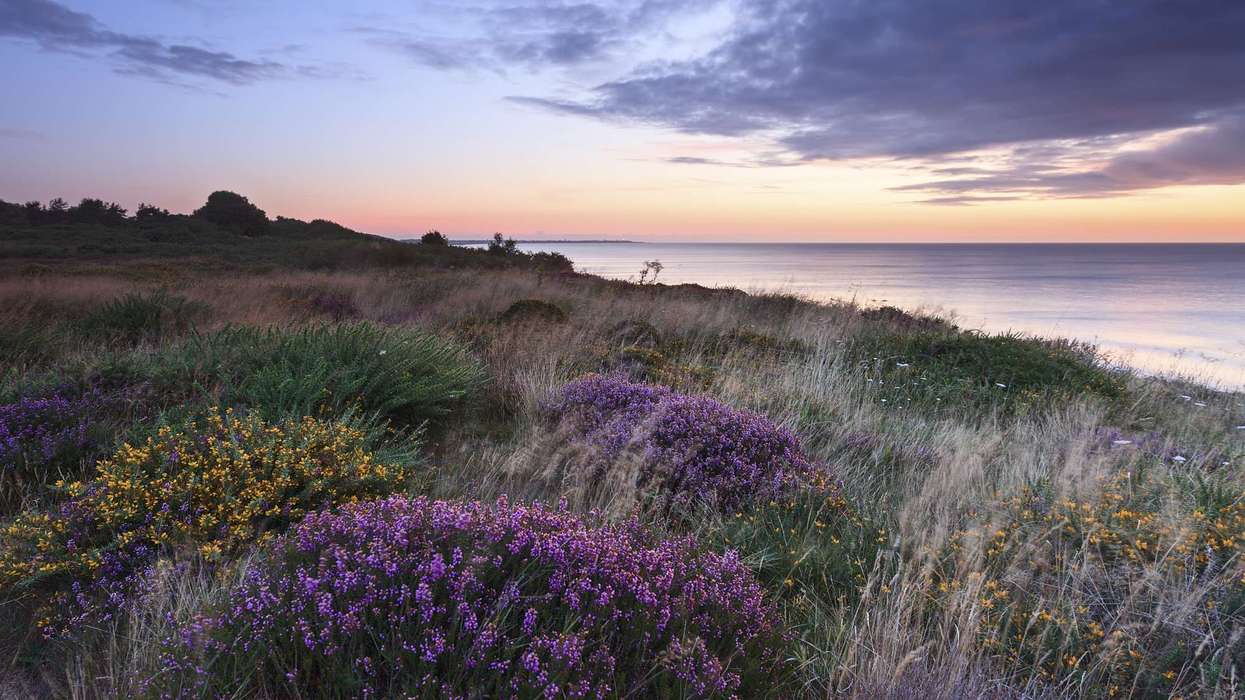 Sunrise over Dunwich Heath and Beach, Suffolk National Trust Images Justin Minns
No injuries have been reported, and a relief centre for those affected has been set up at Westleton Village Hall. Firefighters said they were able to reduce the number of appliances tackling the blaze from 14 to eight on Saturday morning, “following positive firefighting action and the creation of further firebreaks”.
Henry Griffin, the county’s deputy chief fire officer, said the fire spread quickly through the heathland because many of the plants were oil-based.
He explained that fire “loves that oil-based pine or lavender. It’s oil-rich and burns incredibly quickly”.
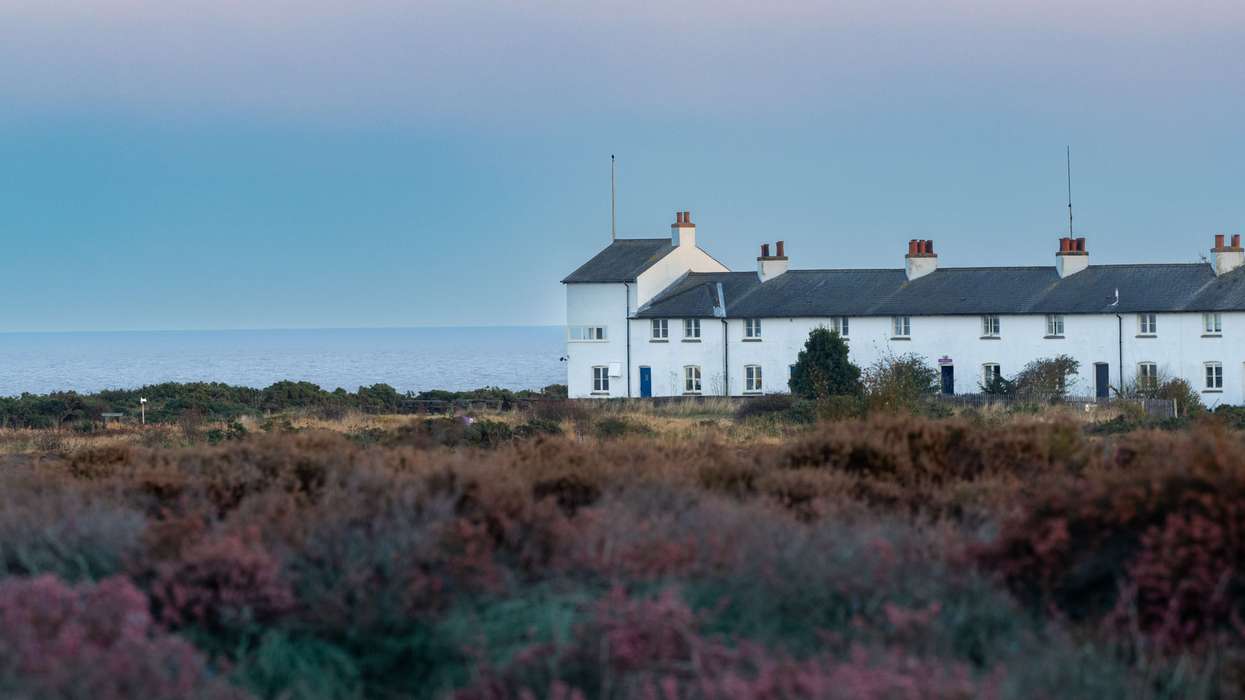 The Coastguard Cottages at Dunwich Heath and Beach, Suffolk National Trust Images Rob Coleman
Dr Thomas Smith, associate professor in environmental geography at the London School of Economics, said the recent “fire invasion” in the UK could be explained by the amount of “fuel” available to burn on the ground.
He told The Telegraph: “There’s a naivety in some people’s ideas of rewilding that you leave the land alone, but in reality, it requires active management to go back to forested landscape.”
He said carbon storage and biodiversity policies could fuel fires if the land was not managed carefully, exacerbating the very issue they sought to tackle.
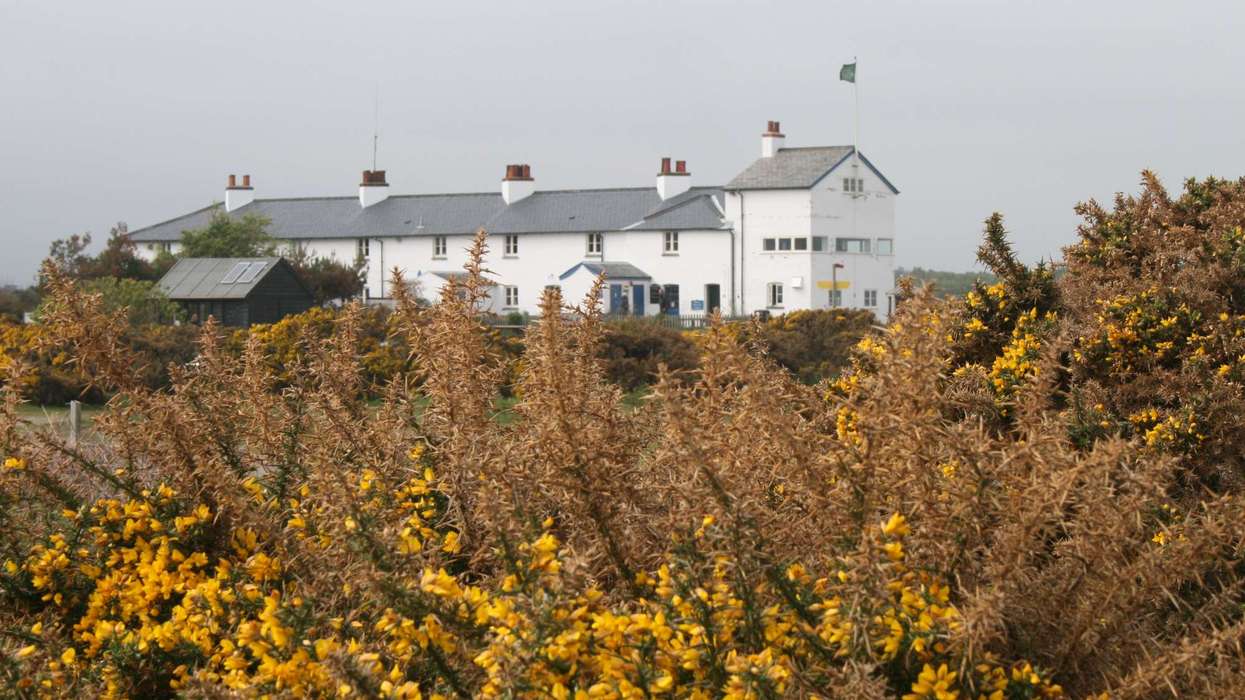 Western gorse with the cottages behind at Dunwich Heath and Beach, Suffolk National Trust Images Jemma Finch
Smith said: “If you want to encourage biodiversity and carbon storage of the landscape, the critical ingredient is stopping the fires from spreading, because otherwise it keeps resetting the clock back to zero. You’ve also got the risk of much more extreme fires happening because of the sheer amount of flammable vegetation – that means faster moving fires and fires with larger flames, which means they are more difficult to fight.”
A wildlife photographer who moved to Dunwich Heath specifically to photograph the amazing nature said the scale of the wildfire devastation “was just devastating to see”.
Jon Evans, who now lives in nearby Leiston, rented one of the Coastguard Cottages from 2016 to 2021, volunteering with RSPB Minsmere and the National Trust at Dunwich Heath.
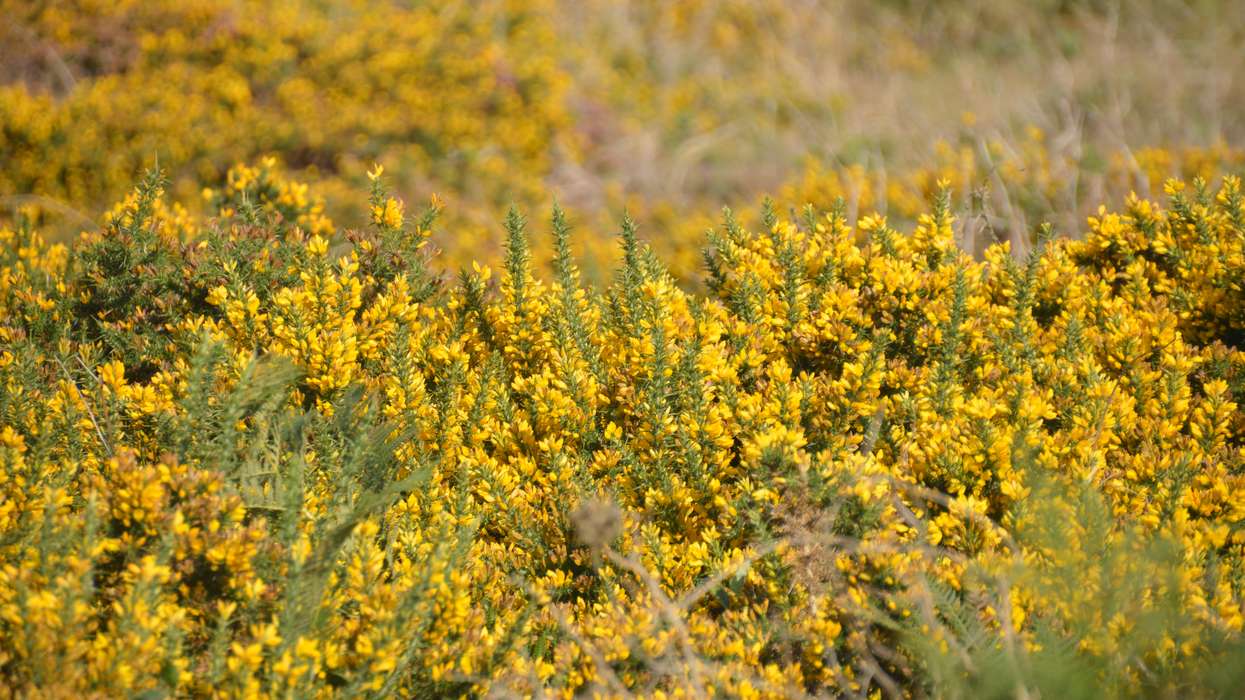 Western gorse, a mass of yellow at Dunwich Heath and Beach, Suffolk National Trust Images Daniel Payne
“It’s amazing how the cottages have survived – I really don’t know how they managed that – but everything around the cottages has just gone, everything, the whole heath scorched completely,” he said. “Just to see it all up in smoke is heart-wrenching.”
He was particularly worried about the impact on chicks belonging to ground-nesting birds such as stone curlews and woodlark. The Dunwich Heath Fire Appeal can be found at: nationaltrust.org.uk/dunwich-heath-appeal.




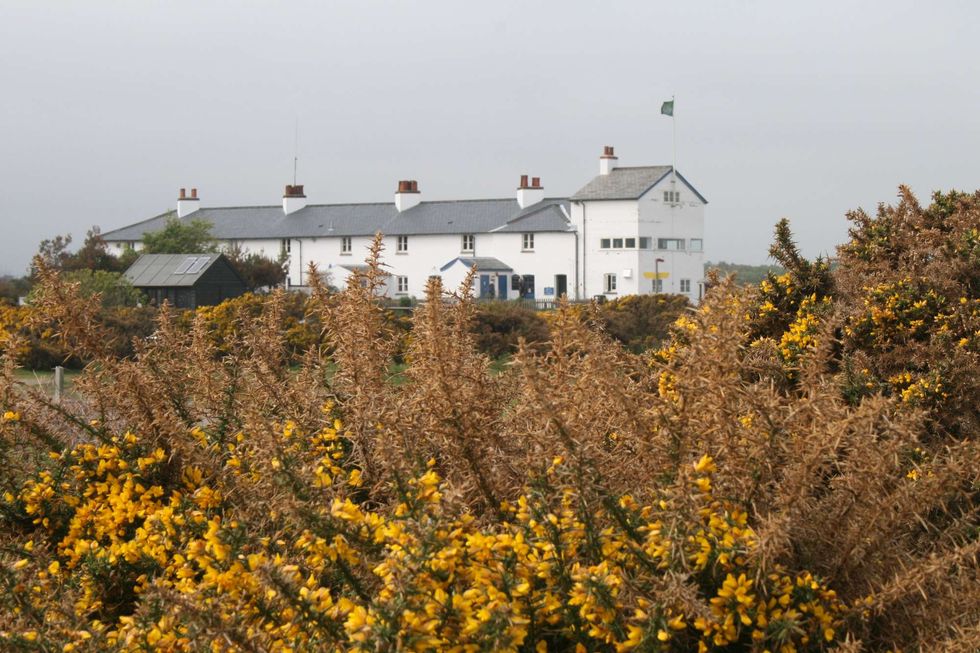 Western gorse in bloom near the cottages before the fire National Trust/Daniel Payne
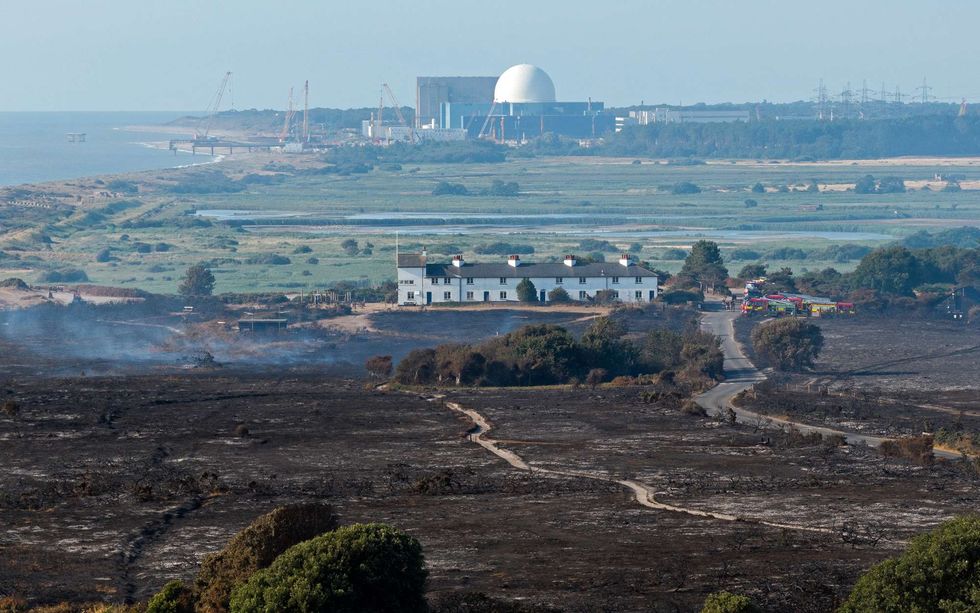 Scorched heathland in front of the Coastguard Cottages, with Sizewell B nuclear power station in the background Toby Shepheard/AFP via Getty Images
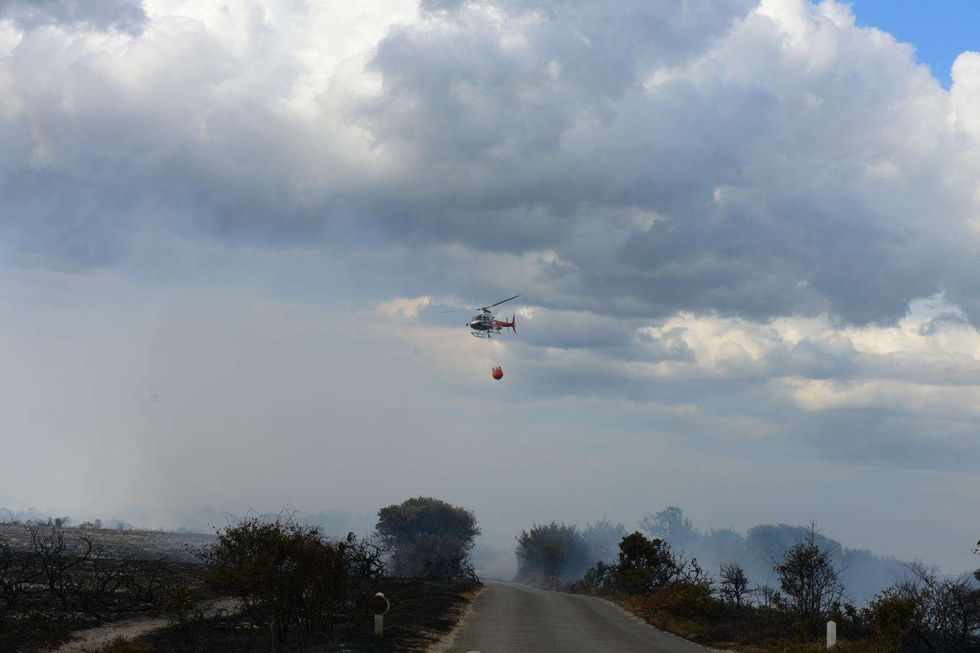 A helicopter helps contain the blazeSuffolk County Council
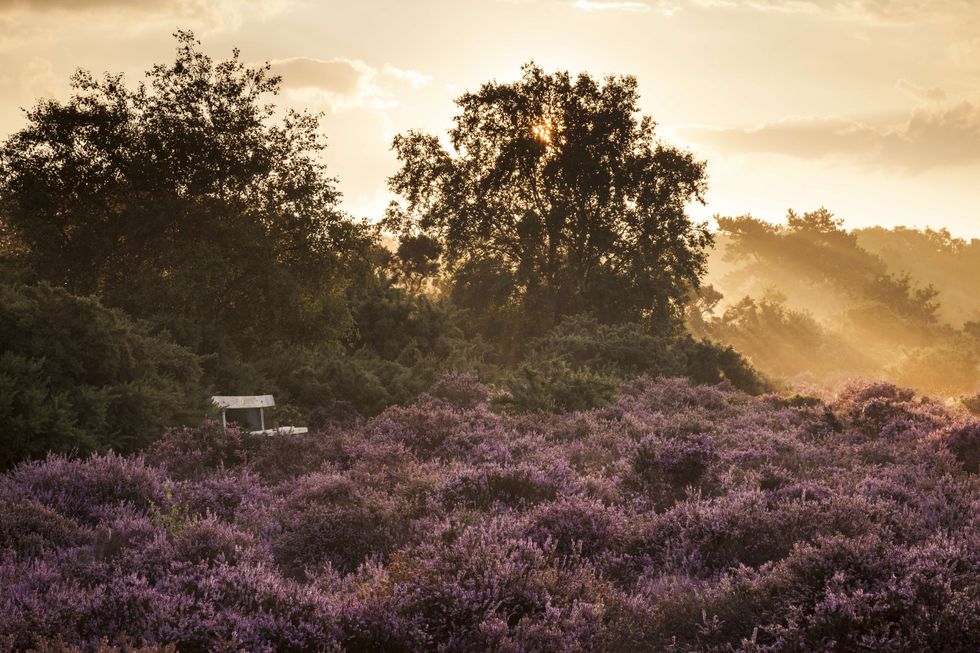 The heathland before it was devastated National Trust/Justin Minns