
Highlights:
- A British dentist has treated 200 rescued bears.
- His animal dentistry journey began in India in 2000.
- A rescued sloth bear was brought back after his heart stopped.
- He has also treated tigers, lions, hyenas and gorillas.
- His work helps animals rescued from poaching and abuse.
For 40 years, Paul Cassar has worked as a dentist in Chichester, West Sussex, treating human patients. But in 2000, his career took an unexpected turn that brought him to India and into the world of wildlife rescue as mentioned in Guardian.
Cassar’s unusual journey began when Alan Knight, then chief executive of International Animal Rescue (IAR), showed him photographs of a bear named Jojo. The bear’s teeth had been broken by poachers, leaving some badly damaged and at risk of infection and abscesses.
Cassar learnt that Jojo was not an isolated case. Poachers would kill mother bears and take their cubs. As the animals grew older, their teeth were sometimes smashed with hammers to make them appear more manageable.
He decided he had to help.
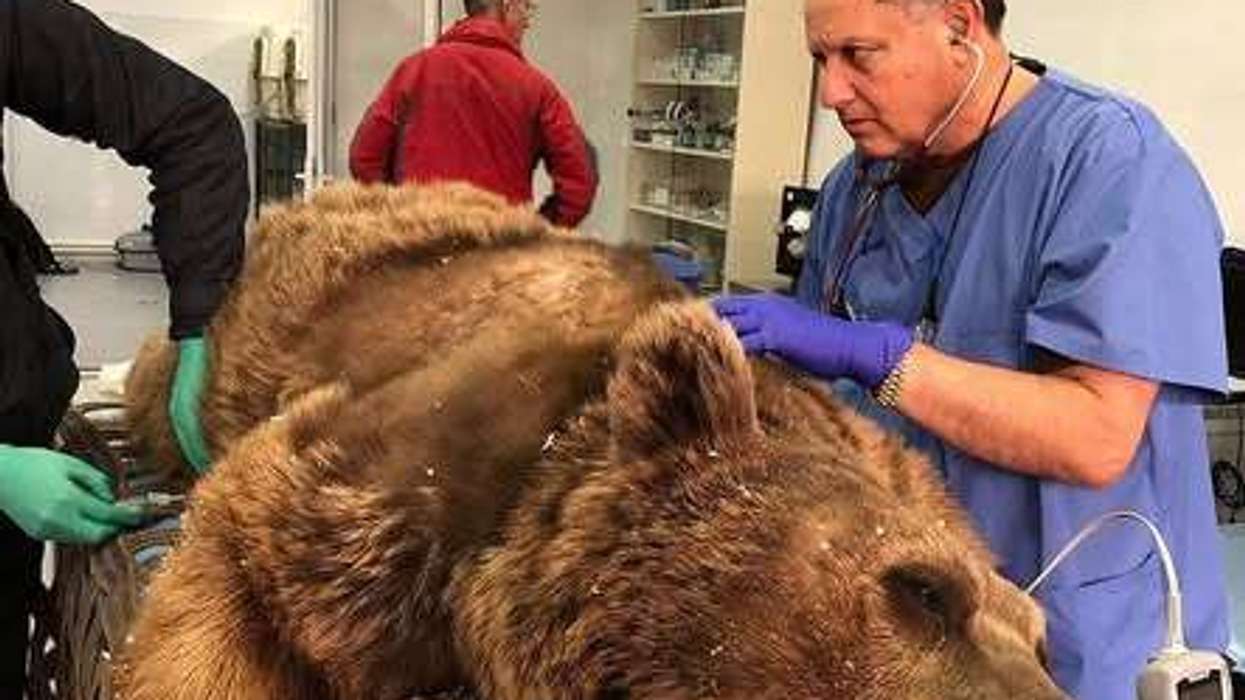
His first animal patient was Anthony, a 14-year-old Indian sloth bear. Weighing about 180kg, Anthony had a large benign tumour on his gum that was making it difficult for him to eat. Cassar travelled to India to operate alongside veterinary dentist Lisa Milella after more than a year of preparation.
 Facebook
A life-or-death operation
The operation initially appeared straightforward. Cassar removed the grapefruit-sized tumour and the tooth underneath it. But after more than three hours, the situation suddenly became critical.
As Cassar prepared to remove more damaged teeth, Anthony’s pulse dropped sharply. Within minutes, his breathing stopped and the local vets could no longer detect a pulse.
The problem was anaesthesia. At the time, the local anaesthetists had limited experience and used darts to sedate the animals. Because it was unclear how long the anaesthetic would last, doses had to be topped up. Too much anaesthetic can be fatal, particularly when an animal is already unwell.
The vets left the operating room, saying: “You’ve killed our bear.”
Cassar struggled to understand what had happened. He was a dentist, not a doctor used to dealing with patients dying during surgery.
But Milella immediately took charge.
She said: “We’re going to get him back. Get the emergency drug box! Get the crash kit!”
Cassar began CPR. The team administered adrenaline as he pounded Anthony’s chest. After what felt like an unbearably long three minutes, the bear began breathing again.
When Anthony eventually woke from the anaesthetic, Cassar felt enormous relief. The bear survived and went on to live for another decade.
 Facebook
From one bear to hundreds
Anthony’s recovery became the beginning of a remarkable second career.
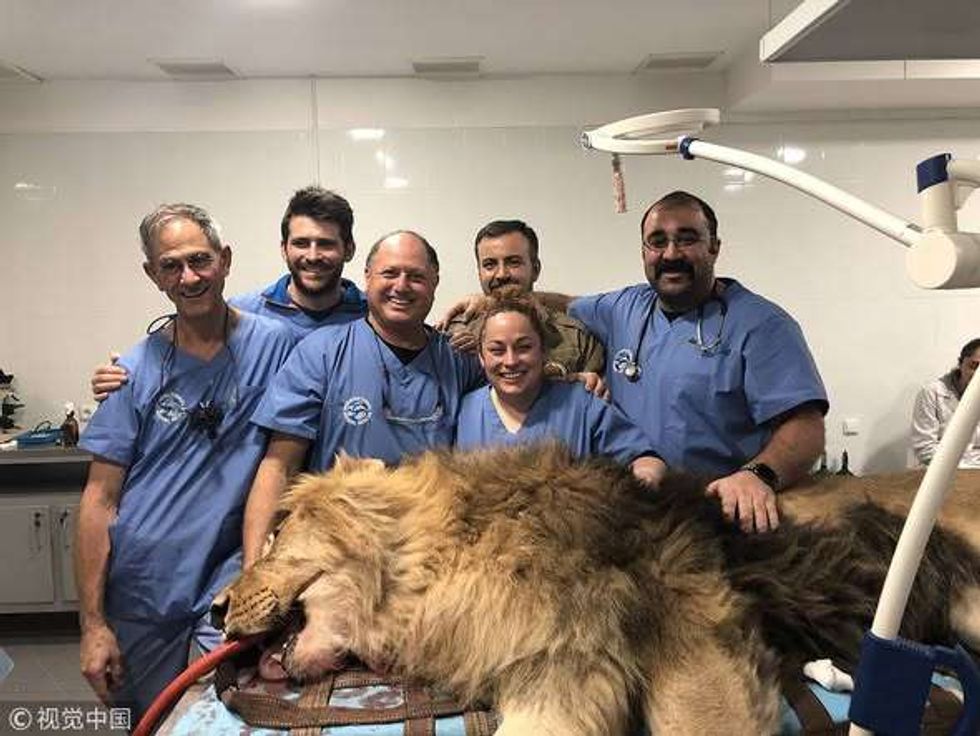
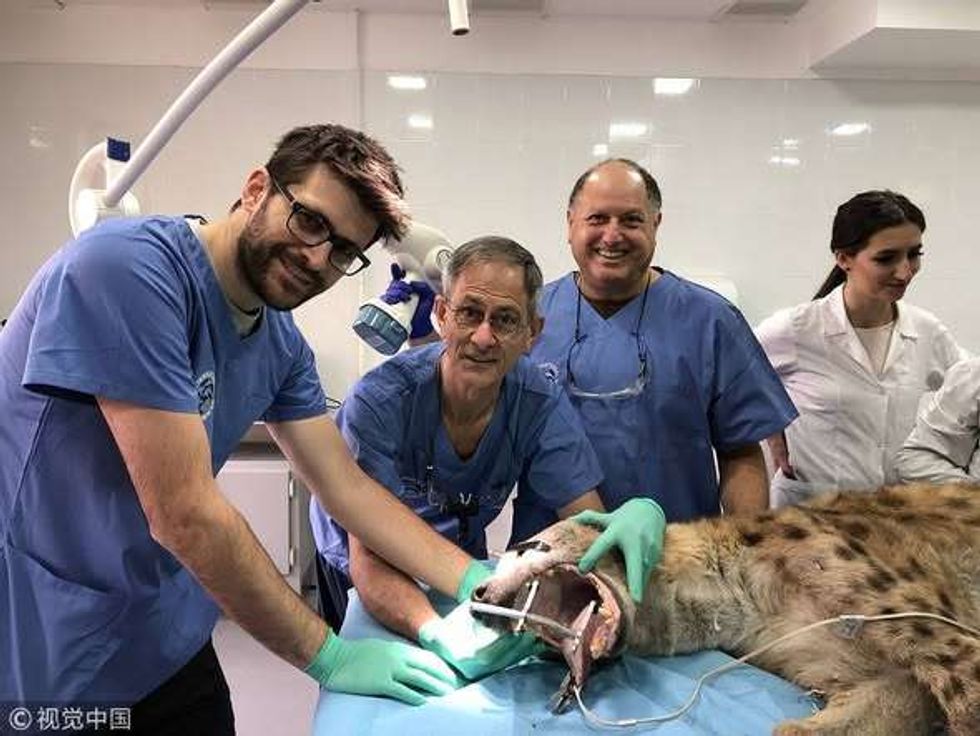
Since that first operation in India, Cassar has returned regularly to IAR sanctuaries to treat rescued wildlife. He has now performed dentistry on around 200 bears, as well as half a dozen tigers, lions, hyenas, gorillas and orangutans.
The work comes with challenges that human dentistry rarely presents. Animal teeth are much larger, requiring specially sized equipment. A file used for human root-canal treatment can be only a quarter of the size of one needed for a tiger.
His patients have included a 300kg tiger suffering from several facial abscesses and a bear that received a gold crown and became known as Bling Bear.
He also nearly travelled to treat beluga whales that had been used for submarine warfare by the Soviet Union, but the animals escaped from their holding pen before he could make the journey.
Giving rescued animals a second chance
Cassar says treating wildlife is more stressful than his normal dental work, but also deeply rewarding. The animals arriving at IAR sanctuaries have often suffered years of neglect, violence or exploitation.
After he leaves, local teams continue monitoring their recovery and behaviour. According to Cassar, the changes are often clear.
He says he feels privileged to help animals that have endured so much and to give them relief from pain.
What began with a photograph of a badly injured bear has grown into more than two decades of work — linking a dentist in West Sussex with rescued wildlife in India and beyond.