
A BRITISH Asian man from London who is separated 4,000 miles from his Indian wife because of UK income rules has spoken out about legislation that stops them from living together in the UK. Satbir Singh, a development and human rights specialist, is unable to bring his wife to England because British citizens are required to earn a minimum of £18,600 a year to sponsor a partner to live with them in the UK.
His earnings were more than £60,000 last year, but because his salary comes from more than one source, it means that he and his wife Gitanjali from Delhi fall foul of British law and are forced to communicate through video calls.
Last Wednesday (22), the Supreme Court ruled that the law which stops spouses from outside the European Economic Area (EEA) settling in the UK unless their partner earns the required amount, was lawful “in principle.”
It followed a series of test cases where affected couples argued that the regulation breached their right to family life because many families, including those with young children, are unable to live in the same country and raise their children together.
Judges also concluded that children’s welfare must be promoted in immigration decisions, and added that the rules failed to take “proper account” of the duty to safeguard and promote the well-being of youngsters when making decisions which affect them.
Singh, from Harrow, met his 30-year-old wife when they were both studying for a masters at SOAS, London in 2010. They married four years later. He told Eastern Eye: “It’s frustrating but it’s a bit unbelievable. It’s like being in limbo and you’re fenced in by what are essentially bureaucratic rules.
“Even if I didn’t earn that money. nobody has the right to tell me I can’t live with my wife in a country where I pay taxes and was born. I went to see her for a week-anda- half and she’s going to come here soon, but it’s not a marriage, it’s (more like) a pen pal.”
Reacting to the ruling, he added: “There’s good news for families with children and some leeway for cases like ours to get a different outcome, because they’ve ruled that the government will have to look into alternative sources of income. That would mean they could look at what I actually earn, unlike the way they do it now, where if I work for four people they only consider one contract. It could also mean they include my wife’s job or family income.”
He added: “There’s still tens of thousands of people who won’t benefit from either consideration. I have no faith in the government doing anything to resolve the situation.”
The rules were introduced by the former coalition government to stop foreign spouses becoming reliant on taxpayers. The minimum income threshold, which also affects people settled in the UK as refugees, rises to £22,400 if the couple have a child who does not have British citizenship, and then by an additional £2,400 for each subsequent child.
It does not take into account the earnings of the overseas partner, even if they are likely to have higher- paid work than their British spouse. A Home Office spokesman said those who wish to make a life in the UK were welcomed “but family life must not be established here at the taxpayer’s expense”.
He added that was “why we established clear rules” based on advice from the Migration Advisory Committee and said cases are “considered on their individual merits.”





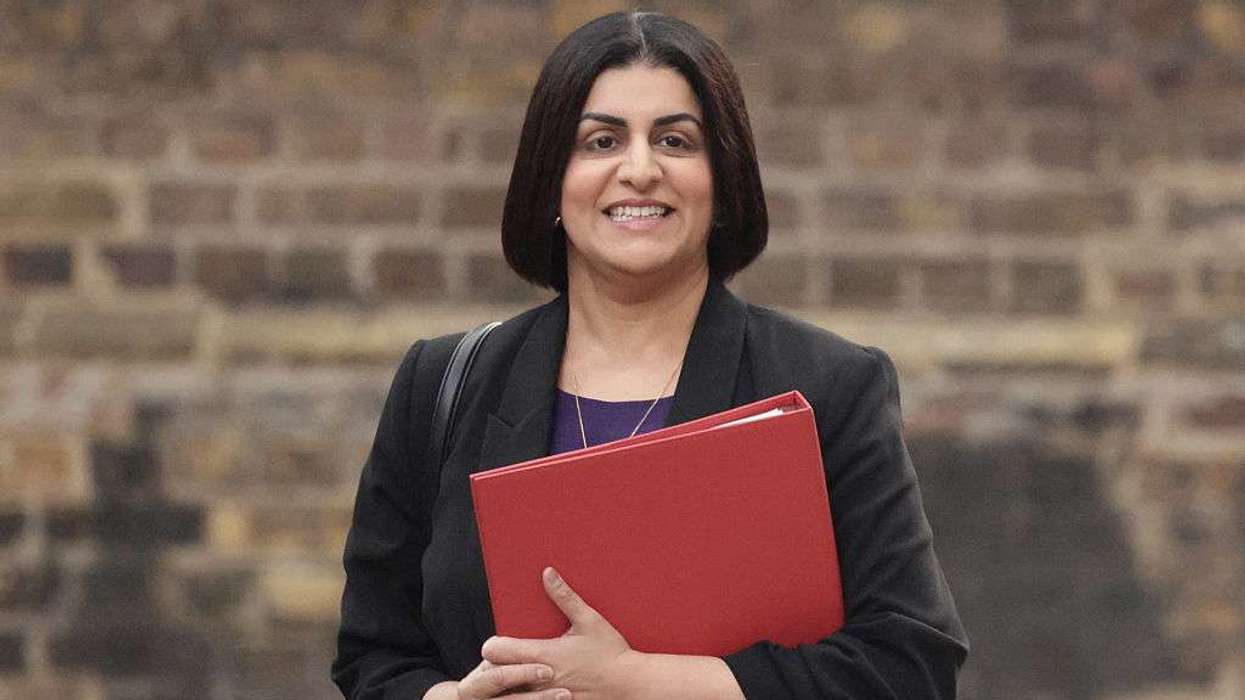
 Sunder Katwala
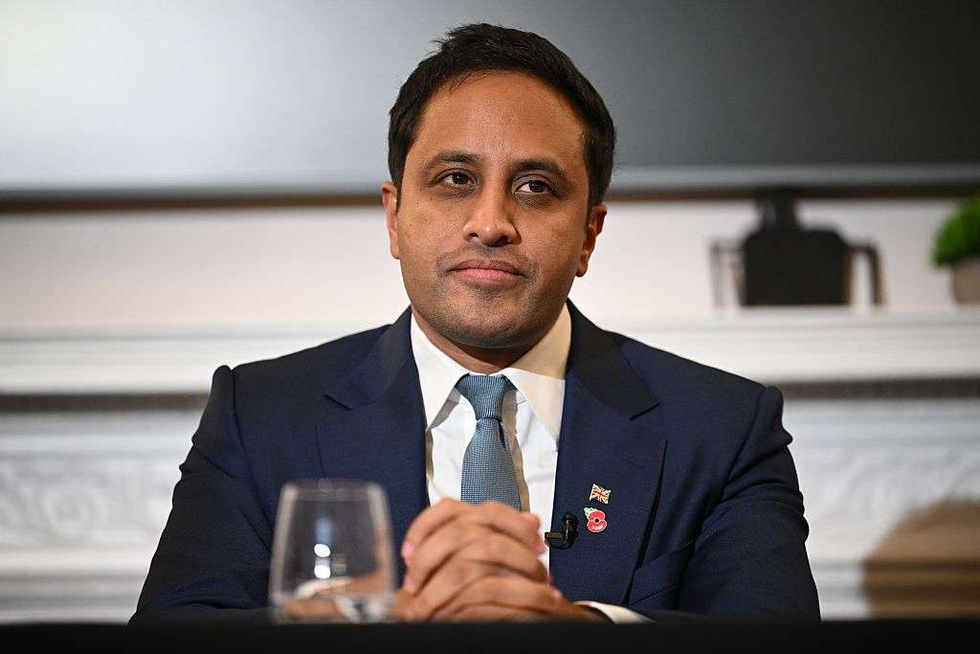 Reform UK spokesperson for home affairs, Zia Yusuf, attends a press conference with Leader of Reform UK Nigel Farage at The Clermont London Hotel on November 2, 2026 in London, United Kingdom. (Photo by Ben Montgomery/Getty Images)
 The decline has renewed calls for tighter immigration controls from the Conservatives.


