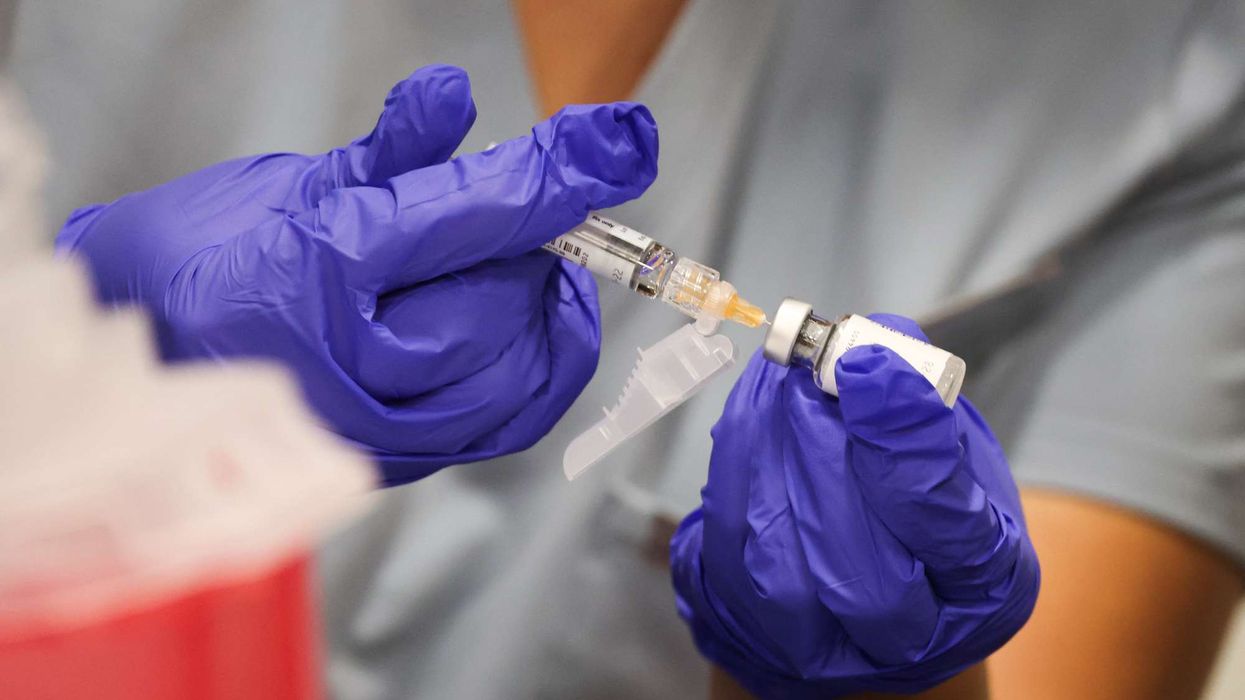

ALL YOUNG children across the UK are now eligible to receive protection against chickenpox for the first time through the NHS.
The vaccine will be given as part of a combined MMRV jab, alongside the existing measles, mumps and rubella vaccine, at 12 and 18 months of age. Children up to the age of six will be able to catch up on missed doses when invited.
The combined vaccine, known as MMRV, includes protection against varicella, another name for chickenpox.
BBC reported that experts say it is expected to reduce the number of families affected by the infection each year and prevent severe cases. Until now, parents had to pay up to £200 for private vaccination.
From 1 January, the MMRV vaccine is being added to the routine childhood immunisation programme in England, Wales and Northern Ireland, with Scotland starting its rollout in early January.
Chickenpox is common among young children and usually causes an itchy rash, fever and muscle aches. It spreads easily, with about 90 per cent of children under 10 catching it at some point.
Dr Gayatri Amirthalingam, deputy director of immunisation at the UK Health Security Agency, warned that chickenpox can sometimes be serious. “For some babies, young children and even adults, chickenpox can be very serious, leading to hospital admission and tragically, while rare, it can be fatal,” she told BBC.
Complications can include infections, encephalitis, pneumonia and stroke. Pregnant women and young babies are among those at higher risk.