
ACROSS the UK, US, and Europe, we are seeing a political and corporate pushback against diversity, equity, and inclusion (DEI) initiatives.
Critics dismiss them as “identity politics” or as costly distractions. Some of this critique has validity – too many programmes have been tokenistic, more about slogans than substance.
But here is the real danger: when organisations confuse weak DEI practice with irrelevance, they risk abandoning fairness and respect, altogether. This is not only a moral failure, it is a strategic one. Evidence shows that when inclusion is sidelined, toxic workplace cultures flourish, with minorities bearing the brunt.
When people think about toxic workplaces, their minds often go straight to structural stressors: micromanagement, unreasonable deadlines, and workloads that are simply impossible to complete in the time available. These pressures are draining, and they take a toll on wellbeing.
But our research shows that an even more powerful set of drivers lies elsewhere – in what we call the fairness factors. These include bullying, favouritism, sexist behaviour, racist behaviour, sexual harassment, nepotism, and pressure to act unethically. Respondents reported the following:
■ Bullying culture: 42.4%
■ Favouritism: 38.5%
■ Sexist behaviour: 17.5%
■ Racist behaviour: 16.7%
■ Sexual harassment: 12.8%
■ Nepotism: 12.8%
■ Pressure to act unethically: 12.0%
These are not just irritations – they corrode fairness, trust, and belonging. And while structural stressors wear people down, it is the fairness factors that cut deepest. They don’t just affect how hard the job feels, but whether people feel valued and respected at all.
Too often, organisations focus narrowly on managing workload and efficiency while overlooking fairness. Yet our evidence shows that fairness issues are just as potent, if not more so, in shaping whether a culture is safe or toxic. And here lies the inequality: while 6.5% of the general workforce told us they are currently in a toxic workplace, the figure rises to nearly 10 per cent for minorities, including Asian professionals. For them, the fairness deficit is even sharper.
Subtle costs: stereotyping and silence
Toxicity is not only about overt racism or harassment; it is also about the subtle ways stereotypes constrain people. I recently spoke with an Asian manager who worried about coming across as “too assertive.” He was concerned colleagues might see him as brash or self-promoting if he spoke up forcefully. What struck me was that this individual could never be described as a bully or even over-assertive. Yet the fear of stereotyping meant he held back, potentially preventing him from showing the very leadership qualities that organisations claim they want to see.
This is the hidden cost of toxic cultures: they force people to mute themselves rather than bring their best to the table. Over time, that erodes both confidence and career progression. For many Asian professionals, silence becomes a survival strategy – but at the expense of visibility and leadership opportunity.
Why this matters for Asian professionals
Psychological safety – the ability to speak up without fear of punishment or humiliation – is vital to thriving at work. Our survey revealed that psychological safety is consistently lower for Asian employees compared to other groups.
Other evidence echoes this. Our research in 2018 and 2022 showed that a majority of Asian people had experienced racism in the workplace. And legal cases, such as Mrs B Parmar’s recent victory against Leicester City Council for race discrimination, show how hard Asian professionals often have to fight for fairness.
These examples underline what many already know: speaking up can come at real personal risk.
Strategic risks of ignoring DEI
Rolling back DEI is not a neutral act. It actively increases the risks of toxicity, with consequences for individuals and organisations alike:
■ Reputational risk: Toxic cultures rarely stay hidden. From tribunals to media exposés, scandals linked to bullying, harassment, and discrimination dominate headlines and damage brands for years.
■ Legal risk: Discrimination and harassment are not “bad culture” – they are breaches of law. Weak DEI frameworks expose employers to lawsuits and regulatory sanctions.
■ Talent risk: Younger generations expect fairness. Millennial and Gen Z employees, many of them Asian professionals, are quick to leave workplaces where exclusion is tolerated.
■ Cultural risk: Without inclusion, cliques form and favouritism thrives. Asian professionals, along with other minority groups, are often those left out of networks of power.
The answer is not to cling to outdated DEI checklists, but neither is it to walk away from fairness. Organisations need to reframe their approach:
■ Reframe DEI as fairness: Transparent promotions, anti-bullying frameworks, and fair workloads matter to everyone. But they are especially critical for minorities who are disproportionately excluded.
■ Use psychological safety as a unifying frame: By focusing on safety, organisations move beyond “identity politics” toward performance and innovation. When people feel safe to contribute, creativity and collaboration flourish.
■ Tackle bullying and favouritism headon: These were the top toxic behaviours in our survey. They are not personality quirks. They are structural problems.
■ Recognise the full spectrum of diversity: Asian professionals often get overlooked in conversations that focus narrowly on gender or black/white racial dynamics. True inclusion must acknowledge the full range of identities, including ethnicity, age, class, disability, and faith.
■ Hold leaders accountable: Micromanagement and tolerance of toxic “star performers” are leadership failures. Leaders must be trained, measured, and rewarded for inclusive behaviour. Looking ahead
The DEI backlash may dominate political headlines, but it will not last. Fairness, inclusion, and psychological safety are not political luxuries – they are strategic imperatives. For minority professionals, including Asians, whose voices are too often excluded, the stakes are high. Organisations that succeed will be those that ensure every employee, regardless of ethnicity, background, or identity, feels safe, respected, and able to thrive.
The real cost of ignoring DEI is not in budgets or press releases. It is measured in the lawsuits fought, the talent lost, and the corrosive effects of toxicity that spread when fairness is abandoned. Employees of colour know this reality too well. The challenge – and opportunity – is to build cultures where they, and everyone else, can speak up, contribute fully, and belong.
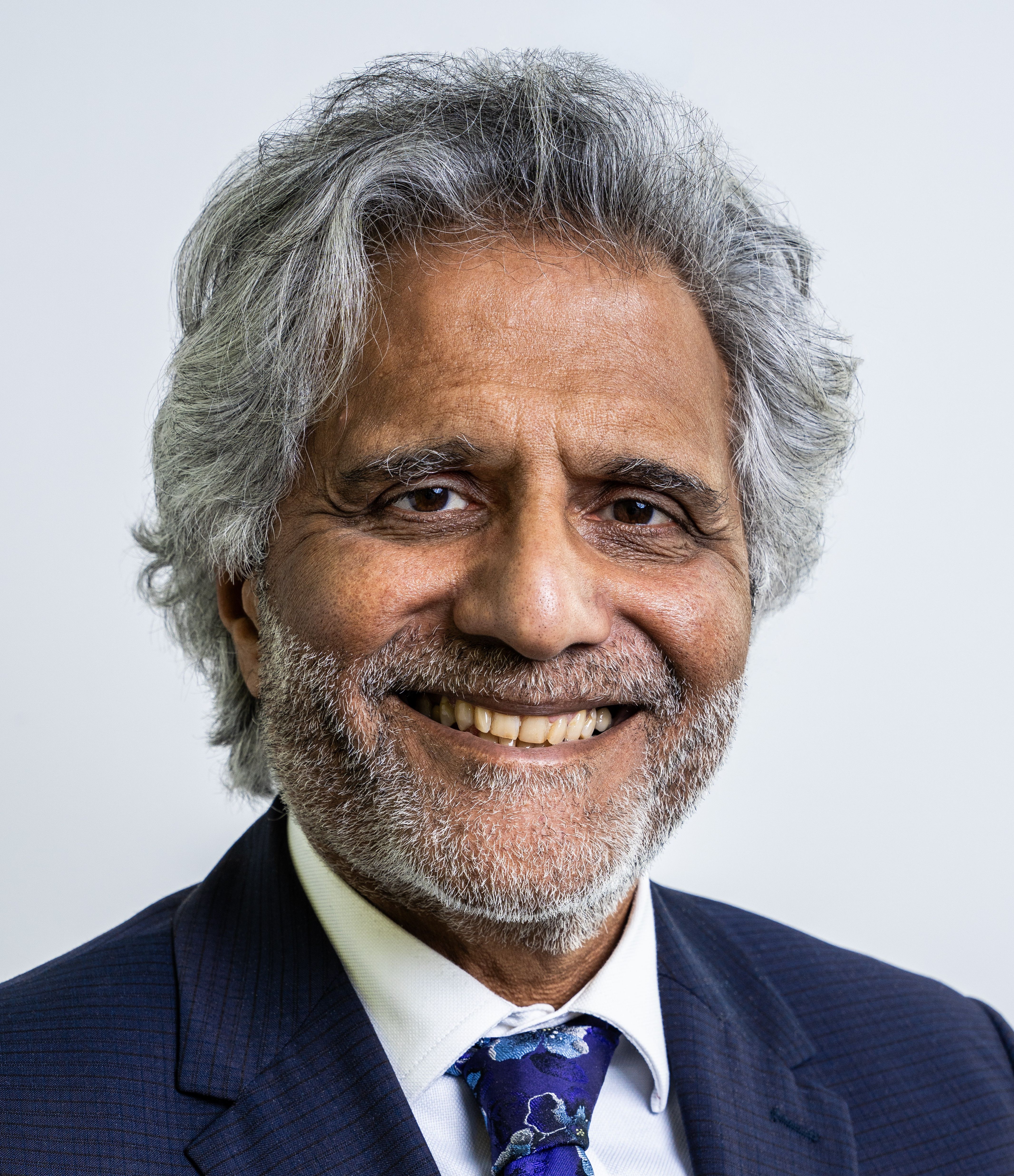
Professor Binna Kandola OBE is a Business Psychologist, Senior Partner and co-founder of Pearn Kandola. Over the past 35 years, he has worked on a wide variety of projects for public and private sector clients both in the UK and overseas.