
Highlights
- UK campaign manager wants sausage maker for voting reform launch.
- Australia's polling booth BBQs help maintain 90 per cent election turnout.
- Britain saw lowest voter participation since 1928 in 2024 election.
The idea comes from Australia, where grilled sausages in white bread have become part of voting day.
These "democracy sausages" appear at polling stations across the country, cooked by schools and community groups to raise money. At the 2022 Australian election, these stalls made $4.1 m in profits at 2,200 locations.
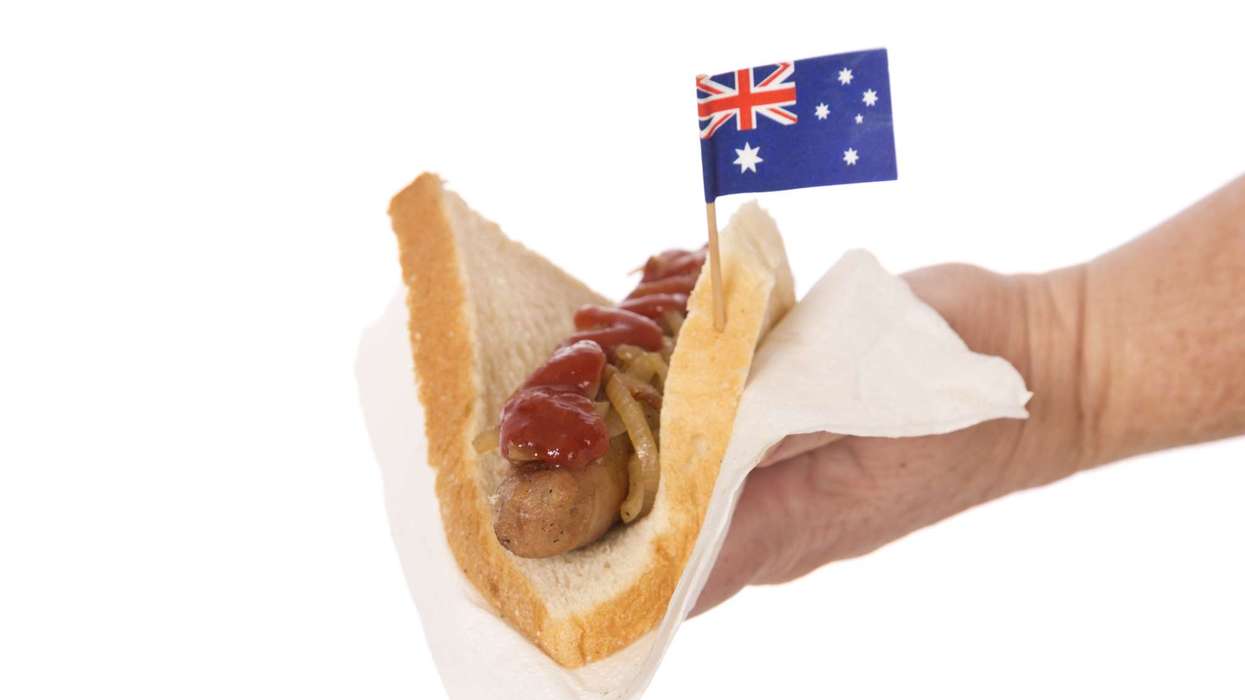 Australia made voting compulsory in 1924. Since then, election turnout has never dropped below 90 per centiStock
Australia made voting compulsory in 1924. Since then, election turnout has never dropped below 90 per cent, according to the Australian Electoral Commission. The penalty is small: a $20 fine, which can be waived for valid reasons.
"Compulsory voting is overwhelmingly popular in Australia," White told The Telegraph.
Britain's turnout problem
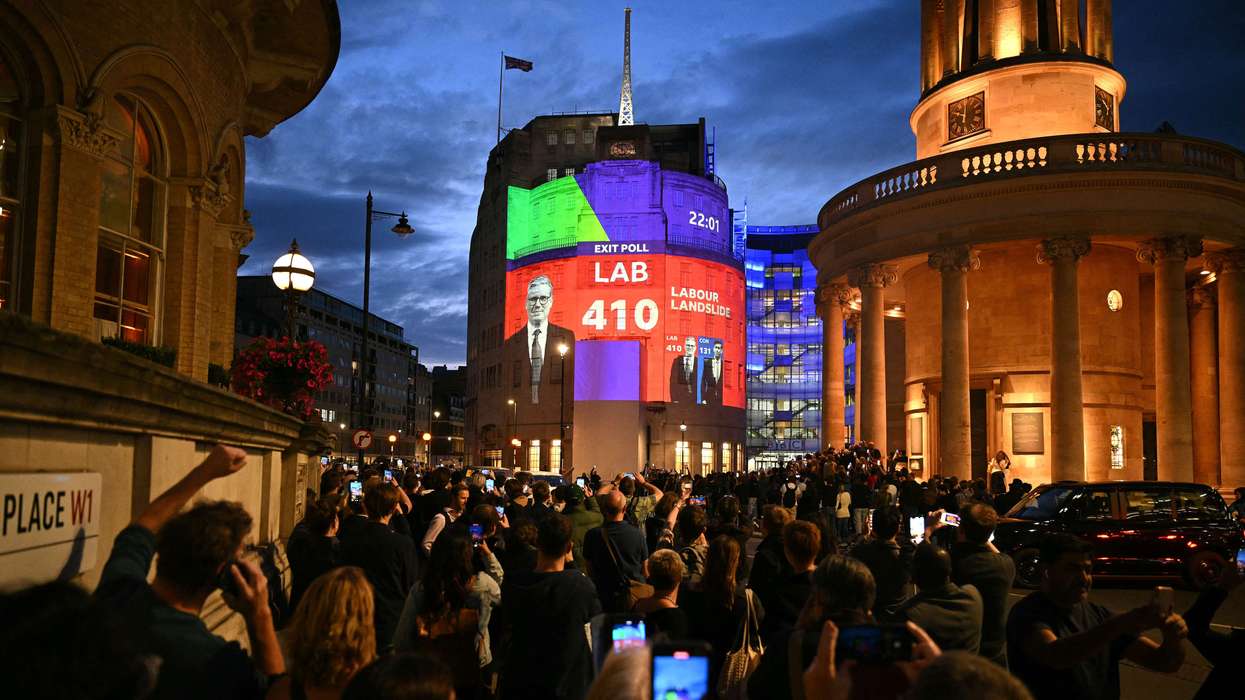
Britain tells a different story. The 2024 general election saw Labour win 411 seats, but only half the voting-age population took part, according to the Institute for Public Policy Research. This was the lowest share since universal suffrage began in 1928.
Even among registered voters, just three in five cast ballots. Local elections do worse, with participation often below 35 per cent.
White says this threatens democracy. "For many people, 2024 was a clarifying moment. Politicians need to wake up to the fact that our democracy is fragile and needs to be protected."
The campaign wants voting treated like jury service or paying taxes. Belgium, Greece, Argentina and Brazil already have similar systems.
Chile brought back compulsory voting in 2022, keeping 85 per cent turnout across five elections since.
Ryan Swift, a research fellow at IPPR North, notes the decline matches growing distrust in politics.
Voters commonly say mainstream parties are "all the same, and they're as bad as each other."
Public opinion divided
A Telegraph poll by Savanta found 60 per cent of UK adults support mandatory voting in referendums, with 54 per cent backing it for general and local elections. Earlier YouGov polling showed support rising from 42 per cent to 48 per cent.
Political strategist James Frayne disagrees with the idea. "The idea that the government would both compel and fine people for non-voting is utterly alien to everything we think of about British elections. It would go down extremely badly."
David Klemperer from Bath University's Institute for Policy Research points to unequal turnout.
"What we're talking about is disproportionately low turnout among younger, poorer, less secure people. This warps our politics in terms of what politicians tend to prioritise."
He suggests this imbalance explains why Labour faced such political difficulties cutting winter fuel payments to pensioners in 2024.
Uncertain political impact
Chile's first presidential election under renewed compulsory voting brought a surprise result. José Antonio Kast, the most right-wing president since Pinochet's fall, won with 58 per cent on 85 per cent turnout.
"A lot of people, particularly in the UK, associate compulsory voting with a certain political progressive view, and actually the history is much more complex," White says.
Frayne thinks forcing unhappy voters to polls could help challenger parties like Reform UK over mainstream ones.
Current legislation suggests lowering the voting age to 16 and automatic registration, potentially adding 9.5 million eligible voters.
The question remains whether adding BBQ sausages to British polling stations would make any difference. Whether sausages will be part of voting reforms remains to be seen.