
Skip to content
Search

Latest Stories

Submit Guest Post

Burnham to chair emergency talks on heat, wildfires and drought

Temperatures are expected to reach around 37 degrees Celsius (98.6 degrees Fahrenheit) from Thursday across southern and eastern England and parts of the Midlands.

Andy Burnham

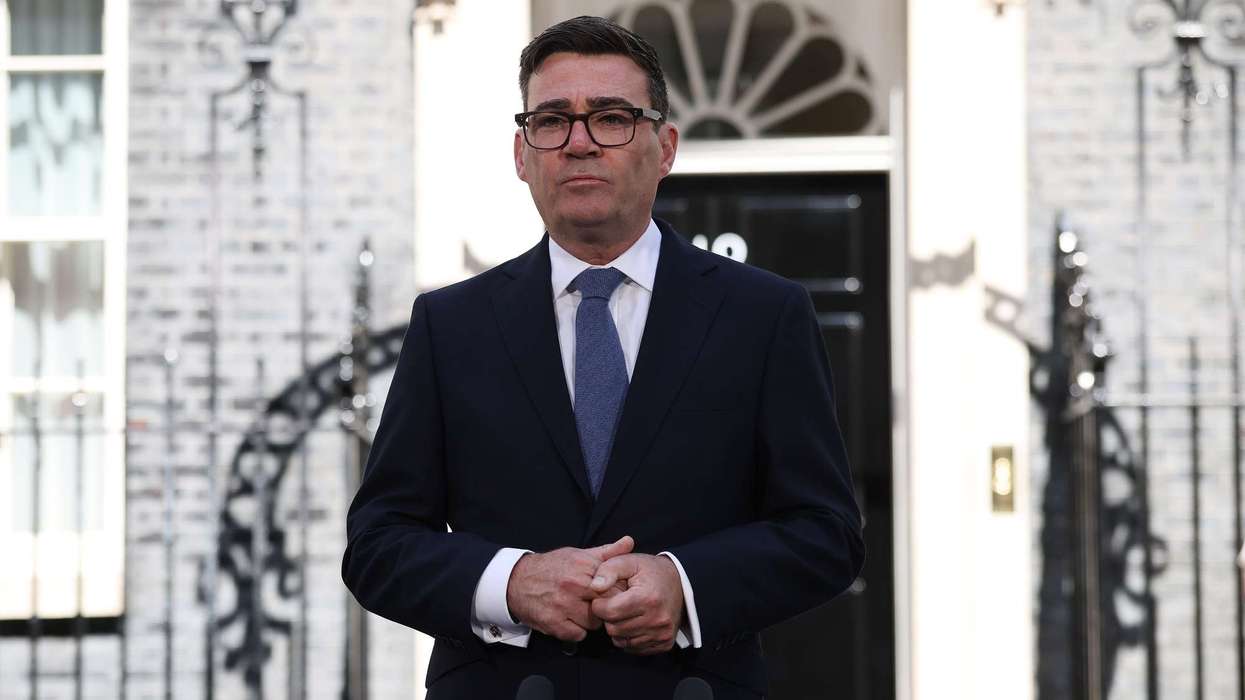
Andy Burnham will chair a meeting of the emergency response committee on to discuss measures to tackle extreme heat, wildfires and drought, his office said.

Getty Images

PRIME MINISTER Andy Burnham will chair a meeting of the government's emergency response committee on Wednesday to discuss measures to tackle extreme heat, wildfires and drought, his office said, as Britain faces its fifth heatwave of the year.

Temperatures are expected to reach around 37 degrees Celsius (98.6 degrees Fahrenheit) from Thursday across southern and eastern England and parts of the Midlands, the country's Met Office warned on Tuesday.


Fire chiefs said they have responded to 966 wildfires across England and Wales this year, including 185 in the first 10 days of August alone. The farming industry has also warned of an impact on production.

Fifth UK heatwave could push temperatures to 36C

"We will continue to take the action needed to keep communities safe, protect water supplies, support farming communities and safeguard the environment," a Downing Street spokesperson said.

Most of Britain is experiencing a flash drought caused by a combination of very low rainfall and higher temperatures. England and Wales recorded their driest July in 190 years, the Met Office said.

Around 45 million people in the country are living in a drought-hit area and 27 million people are facing restrictions on their water use, according to government figures.

An estimated 2,877 people in Britain have died from heat-related causes this year, UK health authorities said last month.

Prolonged dry weather — which scientists say is exacerbated by climate change — has hit agriculture, public water supplies and wildlife.

Add EasternEye As Your Trusted Source
preferred source on google news

More For You

Solar eclipse 2026: Why British Hindu households face a different Sutak question to India this time

Solar eclipse

iStock

Solar eclipse 2026: Why British Hindu households face a different Sutak question to India this time

Highlights

  • The Moon will cover up to 96 per cent of the Sun over the UK this evening, with maximum eclipse around 7.12pm BST from London.
  • Certified ISO 12312-2 eclipse glasses are the only safe way to look directly at it — but a cereal box pinhole viewer works just as well, and takes minutes to build.
  • The eclipse isn't visible from India this time, since it falls during India's night-time hours — but it is visible from the UK, which means the traditional Hindu Sutak Kaal observance (where practised) applies differently for British Hindu households than for relatives back home.

Today's solar eclipse is the first total solar eclipse to cross mainland Europe since 1999, and while totality itself is reserved for Greenland, Iceland and northern Spain, the UK is in for a genuinely dramatic show of its own: a deep partial eclipse covering up to 96 per cent of the Sun. It happens during the early evening, meaning most of the country can watch it without taking time off work or school.

Here's exactly when to look, how to do it without risking your eyesight, and the one detail this year's eclipse raises for British Hindu households that hasn't come up in over a decade.

Keep ReadingShow less