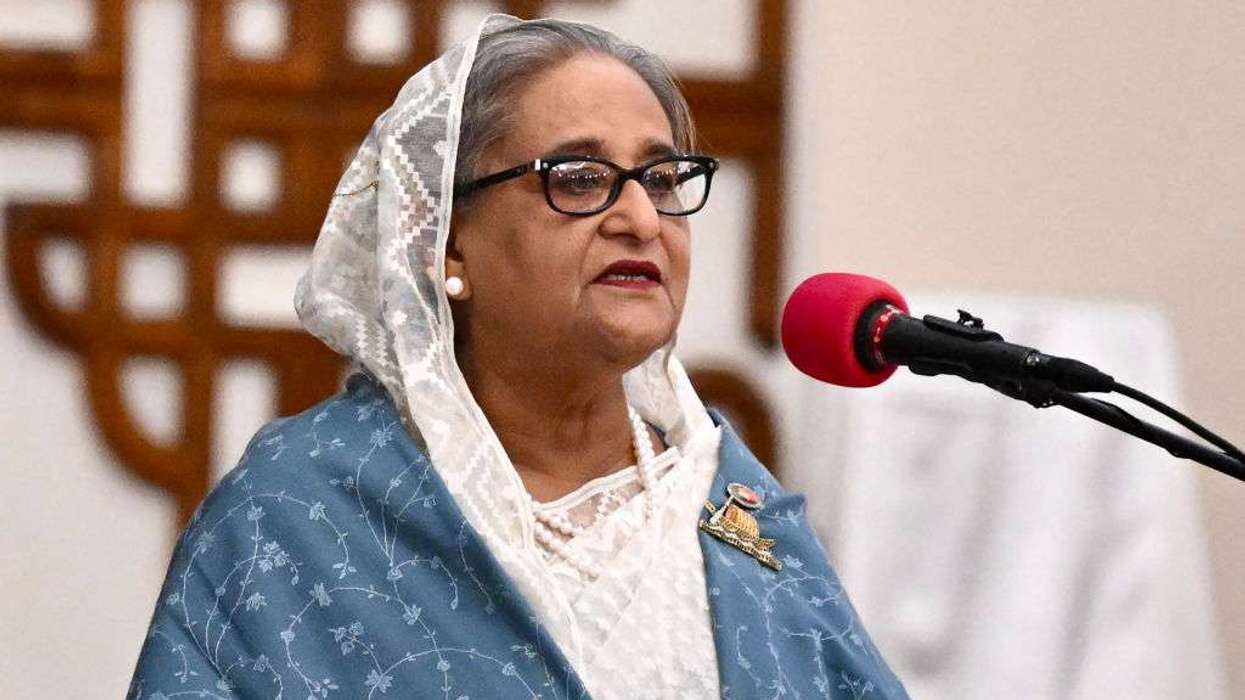

SIX UK parliamentarians have written to British foreign secretary Ed Miliband, urging a coordinated diplomatic effort to secure safeguards against the execution of former Bangladeshi prime minister Sheikh Hasina if she returns to Dhaka.
The signatories to the letter, sent to the UK Foreign, Commonwealth and Development Office (FCDO) on October 27, include Conservative Party MP Bob Blackman, Jim Shannon of the Democratic Unionist Party (DUP) and Seamus Logan of the Scottish National Party (SNP).
They are joined by three members of the Scottish Parliament (MSPs), Martyn Day, Paul McLennan and Alan Brown, as well as former Member of the European Parliament (MEP) Dr Charles Tannock.
The cross-party group calls for “an unequivocal written undertaking from the competent authorities that Sheikh Hasina will not be executed, supported by the legal measures necessary to give it effect”.
“Our central concern is that criminal justice is being used to pursue political conflict,” they wrote.
“Serious allegations against Sheikh Hasina require independent investigation and fair adjudication. They must not become a vehicle for retaliation or the exclusion of political opponents,” the letter adds.
The lawmakers urge the UK to lead efforts on four priorities: protection against execution and other serious harm; independent scrutiny and effective legal remedies; international monitoring; and support for mediation and political reconciliation.
The appeal comes amid reports that a London-based legal chamber has approached the Bangladesh High Commission in New Delhi seeking a new passport and national identity card for Hasina. She has expressed her intention to return to Bangladesh in December and face legal proceedings.
Hasina lives in India
Hasina, 79, has been living in India since fleeing Bangladesh in August 2024 following a student-led uprising that toppled her Awami League government.
She was sentenced to death in absentia in a case involving crimes against humanity over the crackdown on protesters. Hasina has denied wrongdoing and questioned the legitimacy of the proceedings.
In their letter, the British parliamentarians point out that Human Rights Watch raised concerns about her conviction and death sentence in absentia, including the fact that she did not have legal representation of her choice and questions over her ability to take part effectively in her defence.
On legal remedies, they call for a meaningful opportunity to challenge the conviction and sentence, with effective participation by lawyers of her choice. They also raise concerns about restrictions linked to certain articles of Bangladesh's Constitution.
The lawmakers stress that the situation in Bangladesh is a matter of concern for the UK, given the country's membership of the Commonwealth.
(with PTI inputs)