
Skip to content
Search

Latest Stories

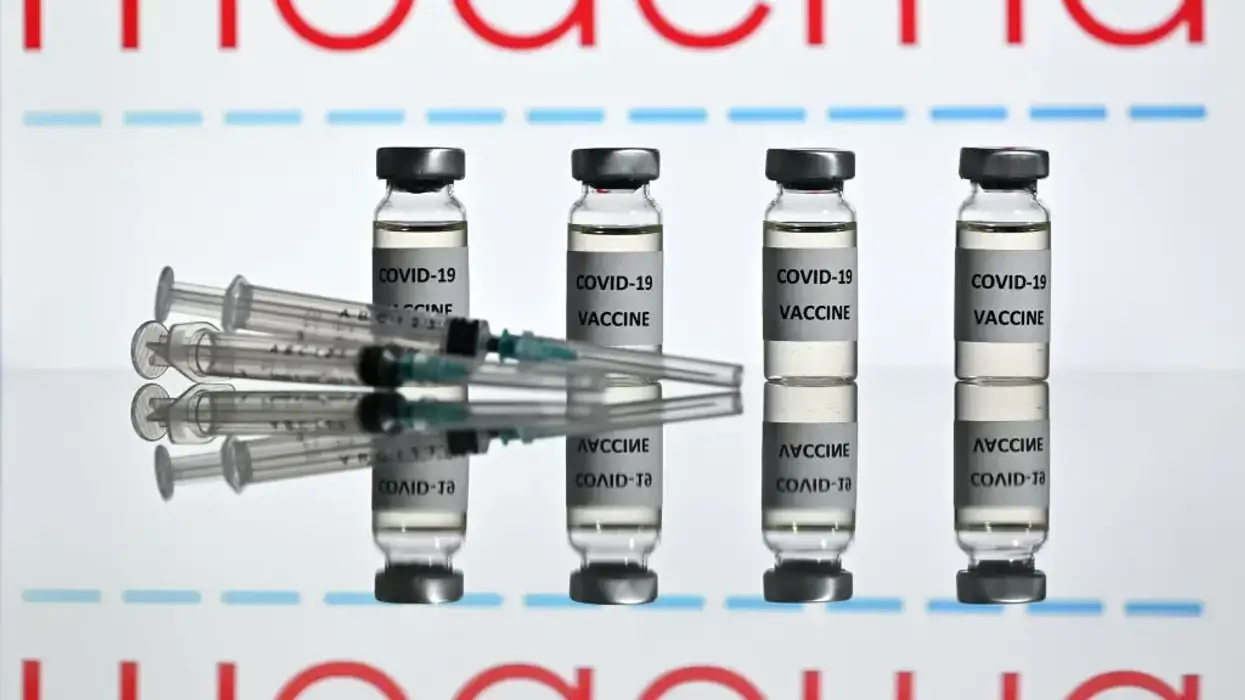
Britain approves Moderna Covid-19 vaccine for use

Britain approves Moderna Covid-19 vaccine for use

BRITAIN's medical regulator on Friday(8) approved Moderna's Covid-19 vaccine for use, the health ministry said, adding that it had agreed to purchase an additional 10 million doses of the shot as it eyed a spring rollout of the shot.

Three Covid-19 vaccines have now been approved for use in Britain, with Pfizer/BioNTech's shot and one developed by Oxford University and AstraZeneca already being rolled out.


Britain now has 17 million doses of Moderna's vaccine on order, and supplies will begin to be delivered to the UK from spring once Moderna expands its production capability.

"We have already vaccinated nearly 1.5 million people across the UK and Moderna’s vaccine will allow us to accelerate our vaccination programme even further once doses become available from the spring," health minister Matt Hancock said.

Moderna's vaccine was 94 per cent effective in preventing disease in late stage clinical trials, and it has already been approved for use in the US, Canada and the European Union.


More For You

Chernobyl

Cladosporium sphaerospermum, is among several dark-hued fungi identified during a survey

iStock

Chernobyl dark fungus might be 'eating' radiation, experiments show

Highlights

  • Researchers identify a dark fungus thriving inside one of Chernobyl’s most radioactive structures
  • Its pigment, melanin, appears central to its survival and unusual behaviour
  • Scientists propose, but have not confirmed, a process similar to photosynthesis using radiation
  • New studies examine its potential as a natural radiation shield

A fungus thriving where humans cannot

Nearly four decades after the Chernobyl reactor explosion, the exclusion zone remains inaccessible to people, yet several life forms adapt to its harsh environment. One of the most striking examples is a black fungus found on the interior walls of a highly contaminated building near the damaged reactor.

This species, Cladosporium sphaerospermum, is among several dark-hued fungi identified during a survey in the late 1990s. Researchers documented 37 species in total, many rich in melanin, but C. sphaerospermum dominates the samples and carries high levels of radioactive contamination.

Keep ReadingShow less