
Highlights
- Yorkshire Women's Forum provides free heart health tests for south Asian women aged 40-60 at Bradford community centre-.
- Research shows Asian women face higher heart disease risk due to genetic and environmental factors, yet many avoid seeking help-.
- Simple blood test reveals cholesterol levels, heart age and 10-year stroke risk through mobile app technology.
A Bradford community programme is addressing the alarming gap in heart health awareness among south Asian women, who face significantly higher risks of cardiovascular disease yet remain reluctant to prioritise their own wellbeing.
Yorkshire Women's Forum hosts weekly drop-in sessions at Manningham Mills Community Centre, offering cholesterol tests alongside craft workshops for women aged 40 to 60.
The initiative comes as research from medical technology company PocDoc reveals that Asian women are at disproportionately higher risk of heart disease.
Breaking cultural barriers
Dr Kate Bunyan, lead clinical director at PocDoc, told BBC that many women still perceived heart disease as a "men's problem" despite it being the number one killer of women globally and in the UK.
"Women from south Asian or Afro Caribbean backgrounds have a greater risk of cardiovascular disease. The genetics play a part and then we layer on top of that environmental factors and social factors," she explained.
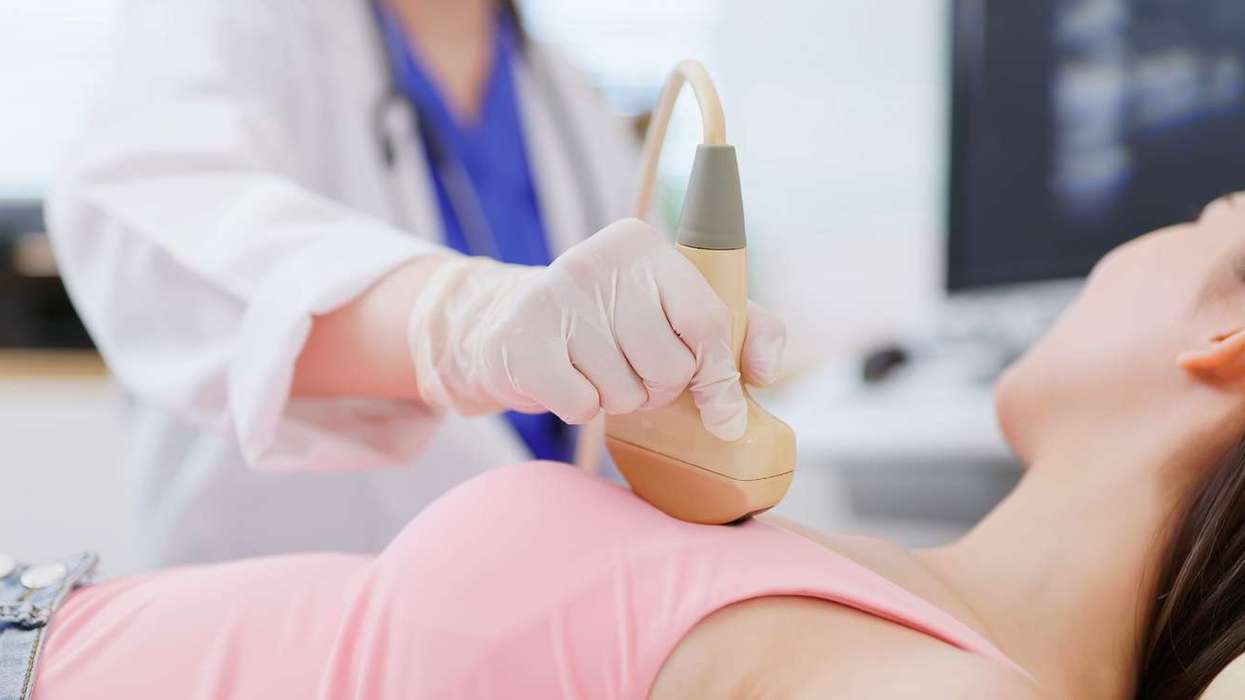
The test requires only a finger-prick blood sample, with results uploaded to an app displaying cholesterol levels, heart health age, and the risk of stroke or heart attack within the next decade.
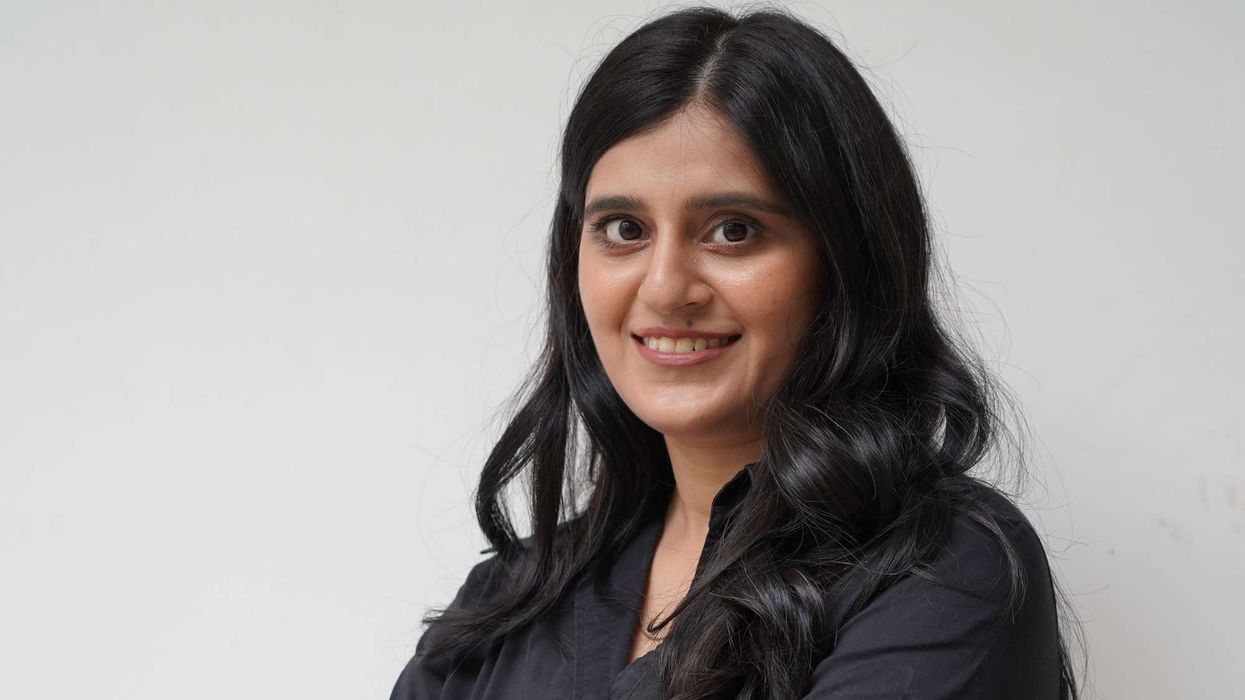
Noshina Kiani, director of Yorkshire Women's Forum, told the BBC that the sessions reached women unlikely to seek health support elsewhere.
"For south Asian women, like many other barriers that women face, they also have cultural stigma related to health, and thinking about themselves and putting themselves first, which they don't do.
They're usually at the end of a really long list of people, so it's important to encourage them to look after their health," she said.
Kiani noted that many attendees belonged to the "sandwich generation," simultaneously caring for teenage children and elderly parents while navigating peri-menopause or menopause.
"Through the programme we're helping them thrive and reset diet, sleep and better prepare them for the future," she said.
Robina Mohammad, a regular attendee who took the test on Wednesday, said personal loss motivated her decision.
"My mum passed away last year and I saw how immobile she was, and I decided then that I didn't want to be like that. I didn't want to be so dependent on someone," she told BBC.
Robina had previously allowed illness to define her life. "I had been unwell for a while and I had got to a point where I thought to myself 'I'm letting my illness define who I am' and vegetating," she explained.
About 20 women regularly attend the group, which forms part of a broader series of activities including sewing groups, gardening clubs and up-cycling workshops designed to support holistic wellbeing.