
Skip to content
Search

Latest Stories

Submit Guest Post

BMW, Mercedes or Volvo? Which £60,000 electric SUV gives you the most for your money?

The BMW iX3, Mercedes GLC Electric and Volvo EX60 are putting long-range electric SUVs firmly into the premium family-car market, but their price tags buy very different strengths

SUV Cars

BMW, Mercedes and Volvo are taking different approaches to the £60,000 electric SUV market

iStock
  • The BMW iX3 can offer up to 500 miles of claimed range.
  • The Volvo EX60 starts at £56,860, while the Mercedes GLC Electric reaches £73,350.
  • Range, charging, comfort and practicality could matter more than outright performance.

The premium electric SUV market is becoming a crowded place. The BMW iX3, Mercedes GLC Electric and Volvo EX60 are all built around the same basic proposition: a large family SUV, plenty of technology and enough battery range to make long journeys less stressful.

But they take very different routes to get there.


The Volvo EX60 starts at £56,860, the BMW iX3 range starts at around £53,000, while the Mercedes GLC Electric starts at £60,350. The versions with the biggest batteries and highest specifications can push well beyond £60,000.

That makes the comparison less about which car has the biggest headline number and more about what buyers actually get for the money.

The £60,000 question

The BMW has a particularly strong argument for buyers who put range high on their list. The iX3 50 xDrive can cover up to 500 miles on the WLTP cycle, using a 108.7kWh battery. It can also accept up to 400kW of DC charging, although chargers capable of delivering that much power remain relatively uncommon.

The Volvo EX60 can go even further on paper, with up to 503 miles of claimed WLTP range in its longest-range version. Its maximum DC charging rate is 370kW, while 22kW AC charging is available as standard on the relevant versions.

There is a catch, though. The cheapest EX60 does not deliver that 503-mile figure. Buyers have to move further up the range for the larger battery and longer-range versions. That means the BMW can offer a particularly strong range-for-price proposition at this point in the market.

Mercedes takes a different approach. The GLC Electric has a maximum claimed range of around 406 miles in its current most efficient form, with up to 330kW DC charging. It therefore falls behind the BMW and Volvo on the headline range figures.

But range is not the only reason people buy a premium SUV.

The Mercedes offers a 570-litre boot and a huge 128-litre front boot, while the BMW has 520 litres at the rear and a 58-litre frunk. The Volvo has around 532 litres behind the rear seats and another 58 litres up front, although its rear load capacity expands considerably when the seats are folded.

Three different ideas of luxury

The differences become more obvious once you look inside.

BMW has gone for a technology-led cabin, with its Panoramic Vision display stretching across the dashboard and a new-generation infotainment system. The approach is clearly aimed at buyers who want their new EV to feel substantially different from an older petrol or diesel car.

Volvo goes in the opposite direction. Its cabin is more minimalist, with a quieter and more understated design. The EX60 also puts considerable emphasis on safety technology and comfort.

Mercedes is arguably the most theatrical of the three. Its large MBUX display dominates the dashboard and gives the GLC Electric a distinctly high-tech feel.

The driving experience follows a similar pattern.

The BMW is the sportier choice, while the Volvo has been praised for its quieter, more relaxed character. The Mercedes puts greater emphasis on comfort, particularly when equipped with adaptive air suspension.

Performance is unlikely to settle the argument. The top Volvo EX60 P12 produces 680hp and can reach 62mph in about 3.9 seconds. The BMW iX3 50 xDrive produces 469hp and takes 4.9 seconds, while the Mercedes GLC 400 Electric has 489hp and reaches 62mph in around 4.3 seconds.

All three are already fast enough for everyday driving.

The more useful distinction is what happens after the novelty of acceleration wears off. Someone regularly covering long motorway journeys may value the BMW's range and charging capability. A family carrying luggage may prefer the Volvo's larger load area. Someone prioritising a quiet, comfortable cabin could find the Mercedes more convincing.

There is also a question of how much technology buyers actually need. The BMW and Mercedes push the digital experience heavily, while Volvo's approach is more restrained in its overall design.

So which offers the most for £60,000?

There is no single answer, but the numbers make the BMW particularly difficult to ignore if range and charging are the priorities. The Volvo makes a strong case on comfort, practicality and equipment, while the Mercedes asks buyers to pay more for a more luxurious and technology-heavy experience.

At this end of the market, the deciding factor may therefore be less about finding the most powerful SUV and more about deciding which compromise you are happiest paying for.


Add EasternEye As Your Trusted Source
preferred source on google news

More For You

James Gunn could lose his job at DC Studios within months: 8 reasons why

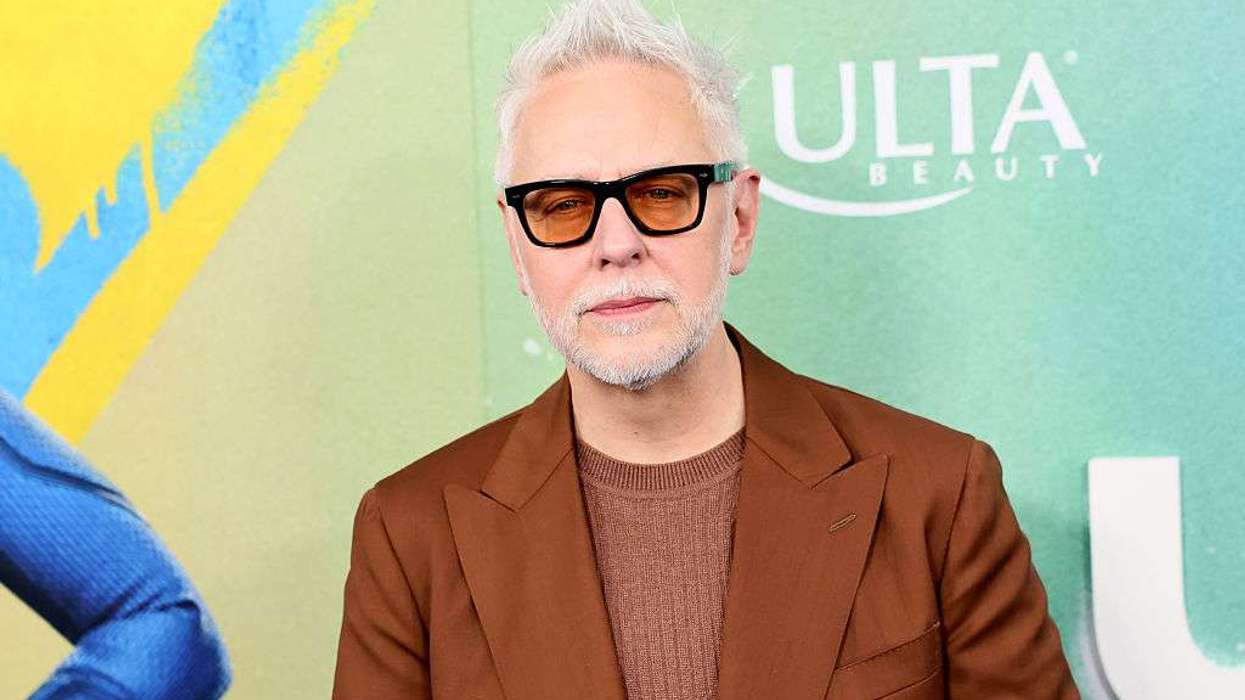
James Gunn attends the premiere of "Supergirl" on June 22, 2026 in New York City.

Getty Images

James Gunn could lose his job at DC Studios within months: 8 reasons why

Highlights:

  • Reports suggest James Gunn's position at DC Studios could be decided within months, following Supergirl's disappointing 2026 box office performance.
  • It's not the first time his job has been on the line. He was fired outright from Marvel in 2018, then rehired within a year after a fan campaign.
  • Along the way, he's picked fights over Superman's politics, a squirrel, a swear word, and a Deadline casting report, dividing fans on whether he's a bold creative voice or a liability the studio can't keep excusing.
The question DC fans are actually arguing about right now isn't whether James Gunn has had controversies. It's whether this one, the one about his own job, is the controversy that finally sticks. Reports suggest his future at DC Studios could be decided within months, after Supergirl underperformed at the box office this year, turning a co-CEO who built his reputation on creative confidence into someone whose own leadership is now the story.
It's not the first time Gunn's career has hinged on a single moment. Here's the full run of controversies that got him here, and why this one feels different.

1. The 2018 firing that cost him Guardians of the Galaxy Vol. 3

Old tweets from 2008 to 2011, joking about topics including pedophilia and rape, resurfaced after being dug up by conservative commentators. Disney moved fast: studio chairman Alan Horn called the posts "indefensible" and severed the company's relationship with Gunn within a day of the story breaking, pulling him off Guardians of the Galaxy Vol. 3 entirely.

2. Gunn's apology, and the political angle nobody expected

Gunn responded almost immediately, calling the old jokes "totally failed and unfortunate efforts to be provocative" and saying he'd regretted them for years. The story took an unexpected political turn when Donald Trump Jr. amplified the resurfaced tweets on social media, given Gunn's history as a vocal Trump critic, adding a partisan layer to what had started as an entertainment industry story.

3. The reinstatement that split fans down the middle

Less than a year later, Disney reversed course and rehired Gunn to write and direct Guardians of the Galaxy Vol. 3 after cast members and fans campaigned on his behalf. It remains one of the rare instances of a major studio publicly reversing a firing of this scale, and it didn't land as a clean redemption story for everyone watching.

4. Superman's political messaging, and Dean Cain's pushback

When Gunn's 2025 Superman swapped the character's old "truth, justice, and the American way" tagline for "truth, justice, and a better tomorrow", and framed Superman explicitly as an immigrant story, it drew public criticism from Dean Cain, who played the character in the 1990s series Lois & Clark. Cain accused the film of being reshaped to fit contemporary politics. Some fans called it a faithful return to the character's original 1938 immigrant roots. Others called it exactly the kind of change Cain warned about. Both camps have been arguing about it since, and neither has come close to convincing the other.

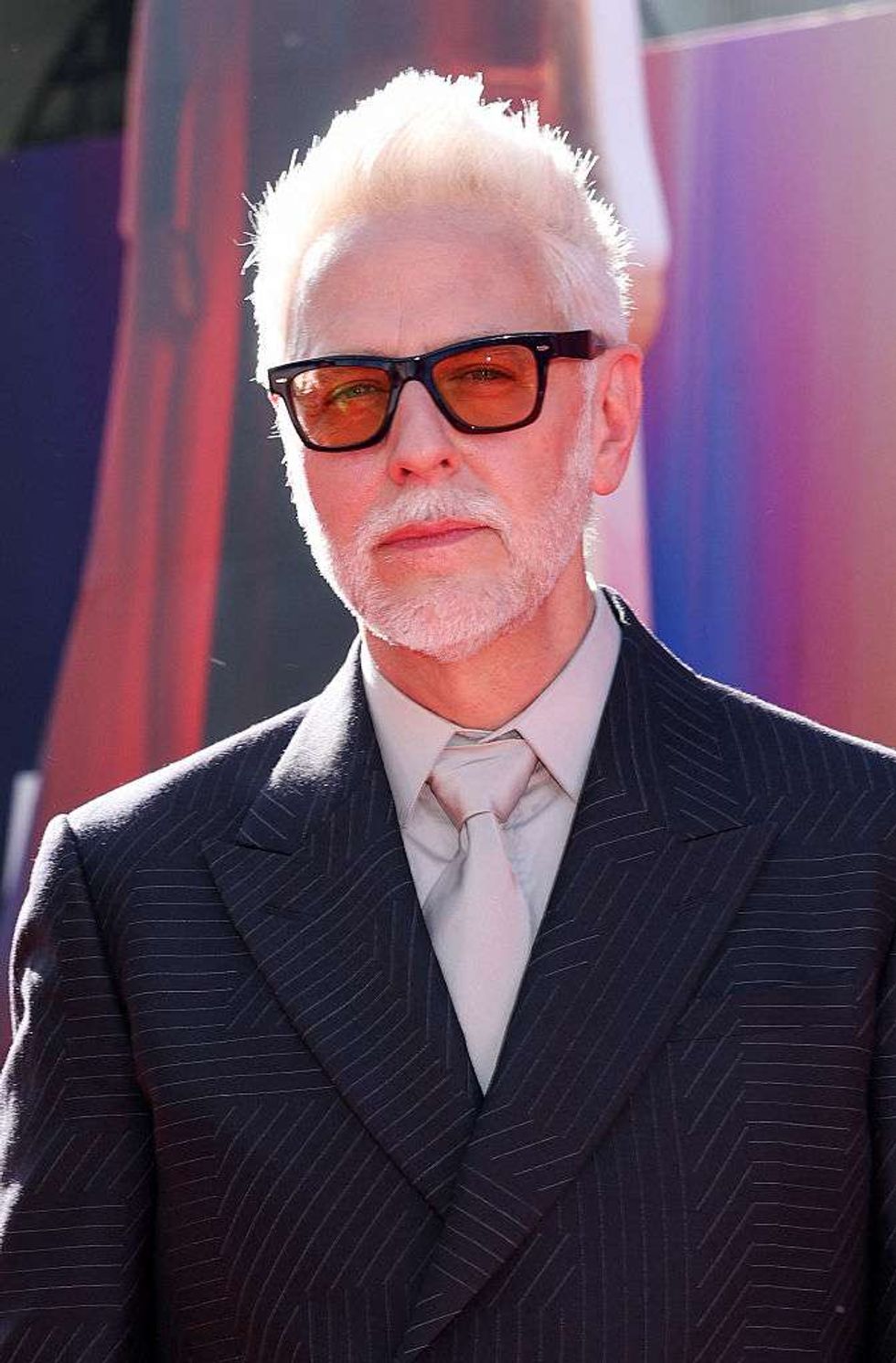
James Gunn attends the Los Angeles premiere of "Superman" at the TCL Chinese Theatre in Hollywood, California, on July 7, 2025. Getty Images
5. The squirrel Warner Bros. almost cut

Not every Gunn controversy is serious. During Superman's edit, a scene of the hero saving a squirrel mid-battle reportedly caused genuine internal arguments, with some test audiences questioning why it was there at all. Gunn insisted on keeping it in. It's a small story, but it's a useful reminder that plenty of what gets called "controversial" in entertainment coverage is really just a creative disagreement that leaked.

6. The line Guy Gardner almost didn't get to say

A tighter internal fight nearly cut one of Superman's biggest laugh lines, when Nathan Fillion's Guy Gardner was originally written with a much cruder insult aimed at Superman than what made the final cut. Gunn has since confirmed the joke was toned down specifically because of how the studio felt about the original wording, a small but telling look at how much gets negotiated behind a single line of dialogue.

7. The Deadline feud that showed a different side of Gunn

When Deadline reported that four actors had tested for a key role in his Superman sequel, Man of Tomorrow, Gunn didn't just deny it quietly. He went public and called the report inaccurate, dismissing it as "shoddy" reporting and disputing the details point by point. Supporters saw a boss defending his production from bad information. Critics saw an executive who's a little too comfortable picking public fights with the press covering his own studio.

8. Supergirl's box office, and the question fans can't agree on

This is the one that actually threatens the job. Following Supergirl's disappointing box office performance in 2026, reports suggested Gunn's future at DC Studios could be decided within months, with his own creative choices under scrutiny as the person who positioned himself as the studio's guarantor of quality. Superman performed well enough in 2025 to buy him goodwill; Supergirl spent a good chunk of it.

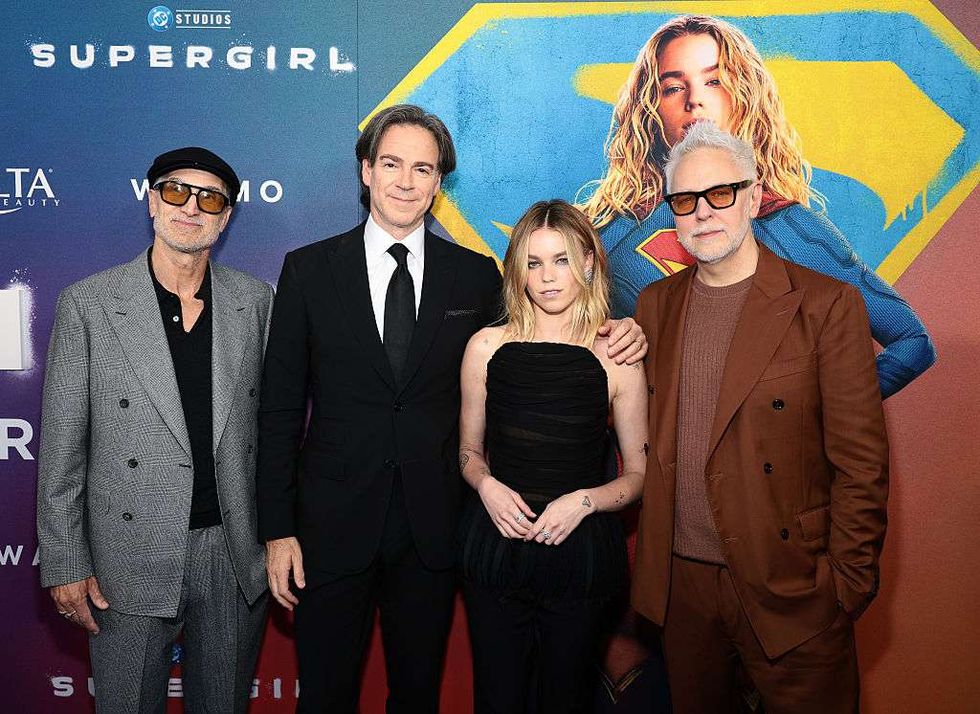
Craig Gillespie, Peter Safran, Milly Alcock and James Gunn attend the SUPERGIRL World Premiere on June 22, 2026 in New York City. Photo by Dimitrios Kambouris/Getty Images for Warner Bros. Pictures

Keep ReadingShow less