
Highlights
- Research tracked 175 products across eight major retailers over 12 months.
- Britons expected to spend £9.52bn over four-day Black Friday weekend.
- 77 per cent of small businesses reject participation, up from 69 per cent last year.
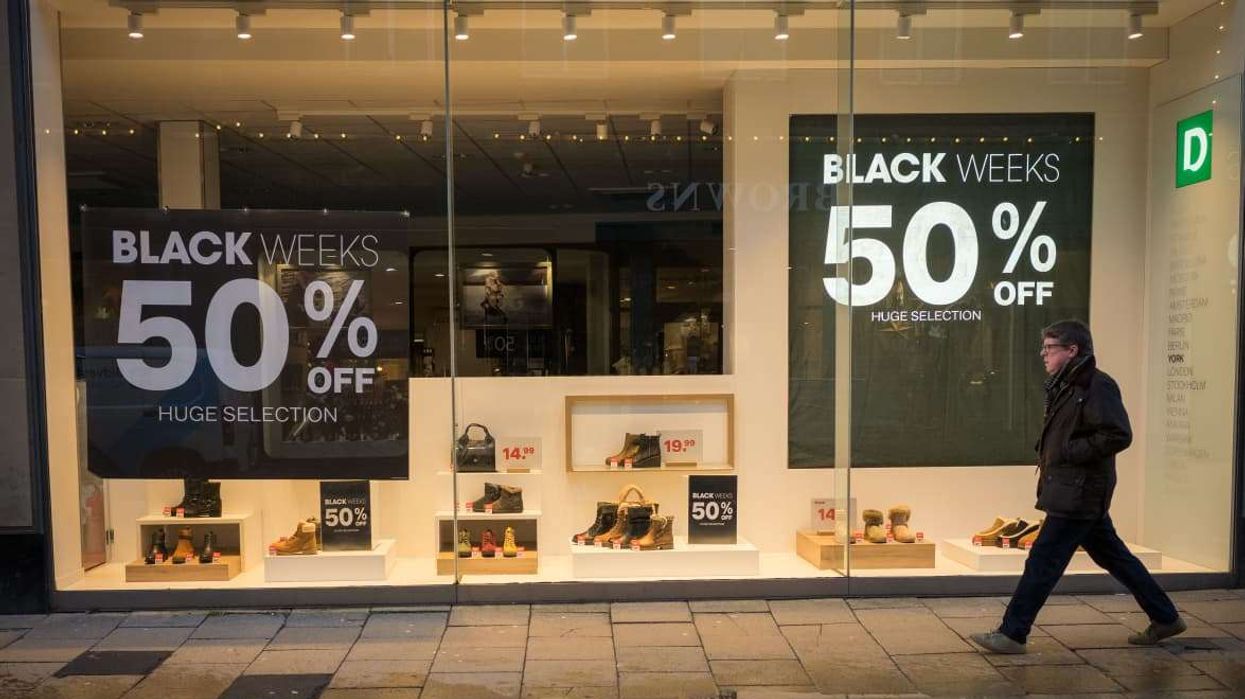
Consumer group Which? compared prices for 175 home, tech and health appliances across eight retailers, including Amazon and John Lewis, tracking them over a full year from May 2024 to May 2025. The investigation found that on Black Friday 2024, none of the items examined were at their cheapest price over the surrounding 12-month period.
The findings cast doubt on the annual shopping event's promise of unbeatable deals. Britons are expected to spend £9.52bn over this year's four-day Black Friday weekend, 4.2 per cent more than last year, according to separate research from Vouchercodes.
At John Lewis, 94 per cent of products were the same price or cheaper at other times of the year. A Samsung Jet Bot Robot vacuum cleaner was priced at £350 on Black Friday but had been £299 for 29 days in May and June 2024. Similarly, at Very, 93 per cent of deals were the same price or cheaper outside the Black Friday sales period.
A John Lewis spokesperson defended the event, told the guardian that "Our customers can find brilliant deals with us all year round, but our Black Friday event brings together a unique breadth and volume of offers that can't be found at any other time of year."
Retailers push back
Cyber Monday on December (1) is predicted to record the highest single-day sales at £3.38bn, as many receive their monthly salaries. Electrical products remain popular, with predicted spending of almost £1.7bn, while cosmetics are expected to see the biggest boost, rising 7.4 per cent year-on-year to £840m.
Meanwhile, small businesses are increasingly rejecting the American-imported sales event. The British Independent Retailers Association (Bira) reported that almost 77 per cent of small businesses are not participating this year, up from 69 per cent last year.
One retailer told the organisation, "Discounting is a death spiral and every industry is already sacrificing too much margin to gain functionally useless turnover."