
CONCERNS remain about the high level of sickness suffered among staff at hospitals in Birmingham.
Bosses at University Hospitals Birmingham NHS Foundation Trust said they “need to do a lot more” in terms of bringing sick levels down and looking at their existing measures to see how effective they are.
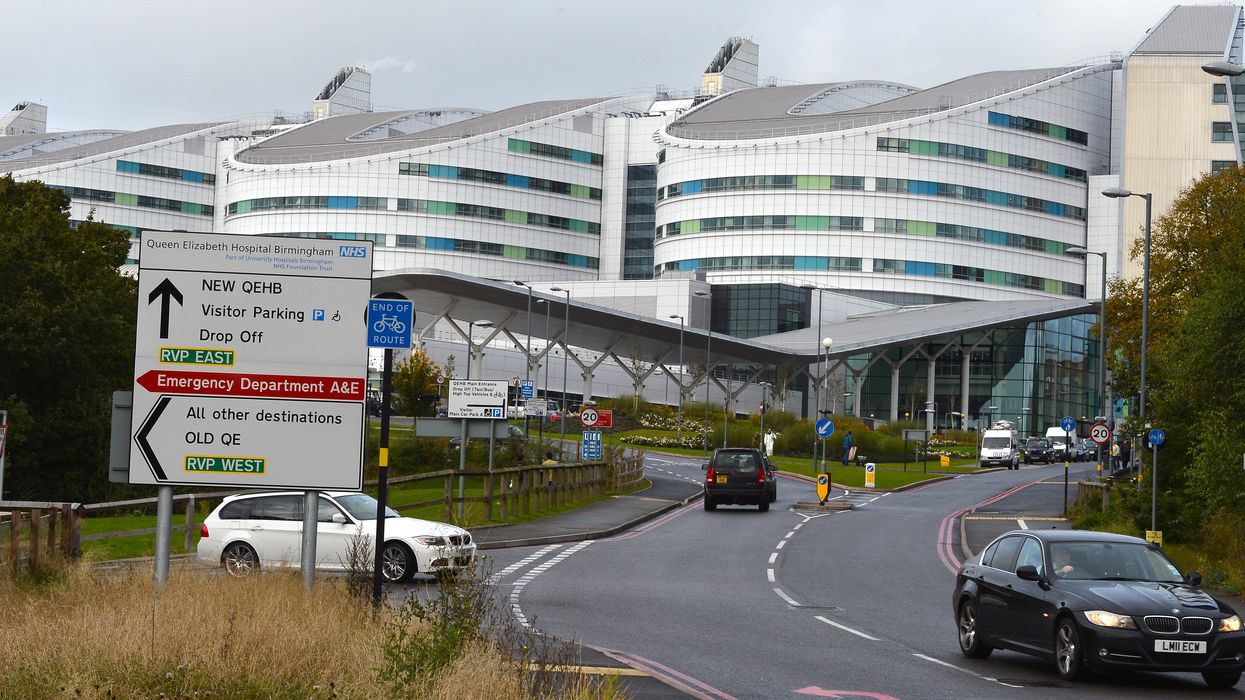
A report presented to the Board of the Trust, which covers Queen Elizabeth and Heartlands Hospitals in Birmingham as well as Good Hope in Sutton and Solihull Hospital, revealed the situation with absences.
At December 2024, the rolling annual sickness absence level slightly increased to 5.90 per cent from 5.88 per cent in October. This is also an increase compared with December 2023, but a decrease from where sickness levels were in April 2022.
The report also said an action plan has been developed and was now in place to try to tackle the issues causing the sickness absences.
Non-executive director, Mehrunnisa Lalani, said: “We’ve still got the staff sickness and we’re still an outlier.
“We need to do more in terms of looking at what’s happening to our staff, not only in terms of bringing sickness level down, but also whether our interventions around health and wellbeing are working. This also impacts our finances as well.”
The report said: “Annual sickness absence levels as at December 2024 slightly increased to 5.90 per cent from 5.88 per cent in October, and in December 2023 was 5.75 per cent. However, there has been a decrease in sickness absence levels from 6.40 per cent to 5.90 per cent over time, from April 2022 to December 2024.
“Long-term sickness has increased by 0.43 per cent to 3.69 per cent and short-term sickness has slightly decreased by 0.05 per cent to 2.84 per cent from figures last reported.
“Additional interventions to tackle persistently high levels of absence will be monitored through a group action plan, and will include an expedited review of current procedure.
(Local Democracy Reporting Service)