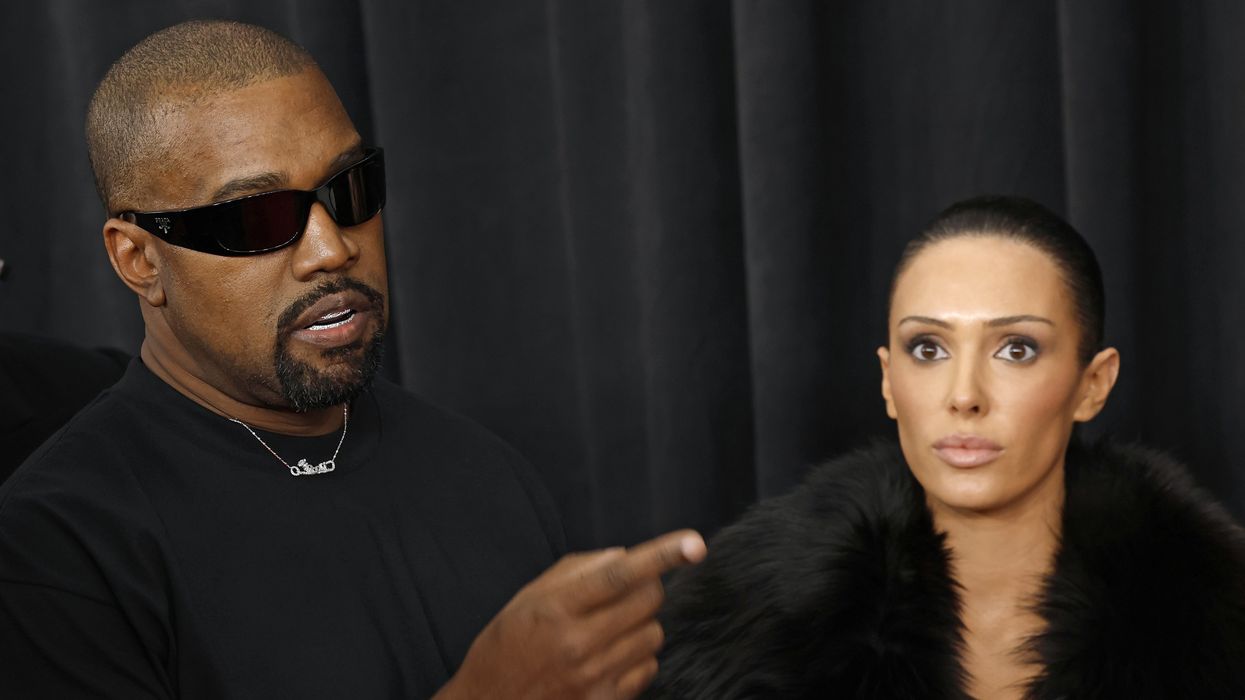

Bianca Censori turned heads with her daring fashion choice at the 2025 Grammys, stepping onto the red carpet in a nearly see-through gown that quickly became the talk of the town. While the look garnered its share of criticism, Kanye West, her husband of two years, was quick to praise his wife’s courage to don the look and stand by her unconventional fashion statement.
Taking to X, Kanye shared his admiration for Bianca, calling her "smart, talented, brave, and stunning" in a heartfelt post. "My wife’s first red carpet opened up a whole new world," he wrote on February 6. "I kept staring at this photo like I did that night, thinking how lucky I am to have a wife who’s so confident and beautiful."
The dress which Bianca wore during a break from filming her debut movie, was designed to be almost invisible, with Kanye revealing that the gown underwent six fittings before it was perfected. In his post, he jokingly added, "Just like magic, poof, we disappeared," referring to the almost transparent fabric that left little to the imagination.
Despite the mixed reactions to Bianca's fashion choice, Kanye continued to defend the outfit. The couple, who left the event shortly after their red carpet appearance, thanked the media outlets that acknowledged their presence, expressing gratitude for the energy they brought to the event. Kanye also responded to those questioning how his late mother, Donda West, would have felt about the look, saying, “You don’t know my mama, b***h.”
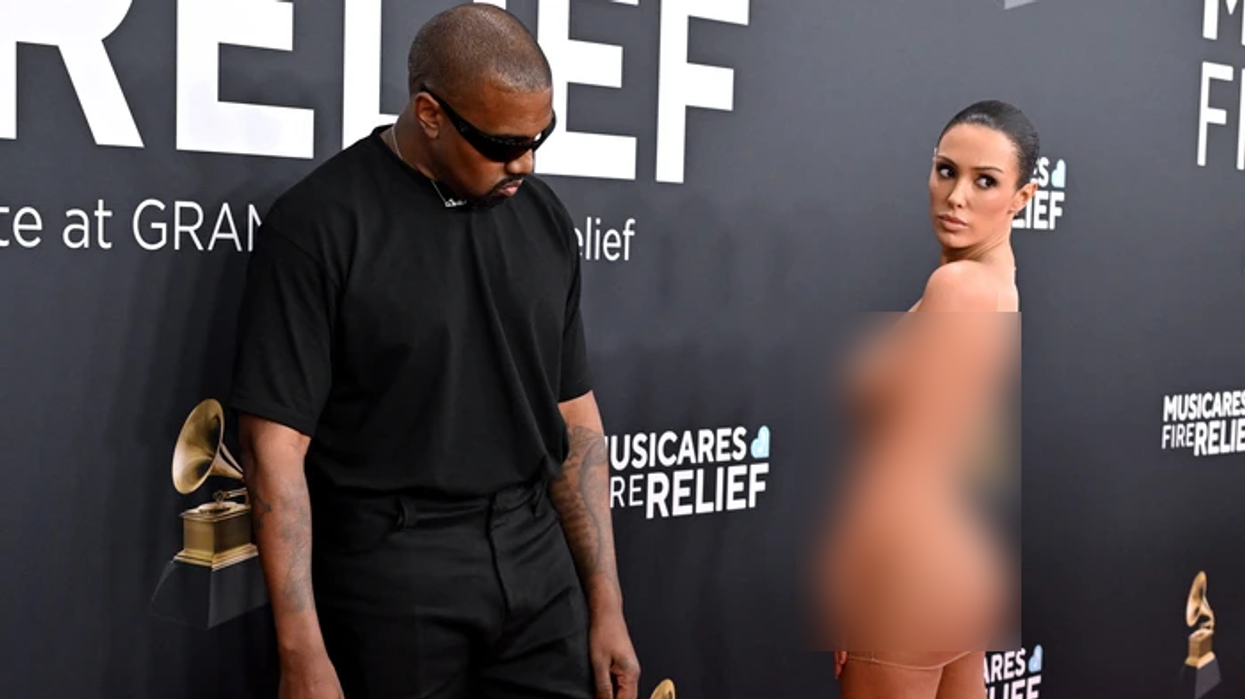 Kanye and Bianca Censori make a bold statement as they stun on the 2025 Grammys red carpetGetty Images
Bianca's gown ignited heated debates online, with some public figures, like Meghan McCain, criticising the outfit as inappropriate. Meanwhile, Bianca’s sister, Angelina Censori, showed support by sharing clips of the look on social media, backing her sister’s fearless fashion choice.
The dress also stirred conversations about the Grammys' "artistic black-tie" dress code, with some questioning whether the model’s revealing outfit fit within the event's guidelines. Raj Kapoor, an executive producer for the show, addressed the controversy in an interview, explaining that dress codes in the music industry are open to interpretation. While performers must adhere to stricter standards, attendees have more flexibility when it comes to their outfits.
Though Kanye’s song "Carnival" lost to Kendrick Lamar’s "Not Like Us" in the Best Rap Song category, the rapper seemed less concerned with the award results than with celebrating his wife’s fashion choice. On Instagram, he posted a picture of Bianca in the custom couture gown, calling her “the most beautiful woman ever,” and reaffirming his love for his "best friend" and wife.
As Bianca Censori’s look continues to fuel conversation, it’s clear that the couple is unapologetic about their unconventional style. Their red carpet moment has set a new bar for bold fashion choices, cementing Bianca’s place as a fearless fashion icon, and with Kanye by her side, they continue to challenge the norms of the spotlight.