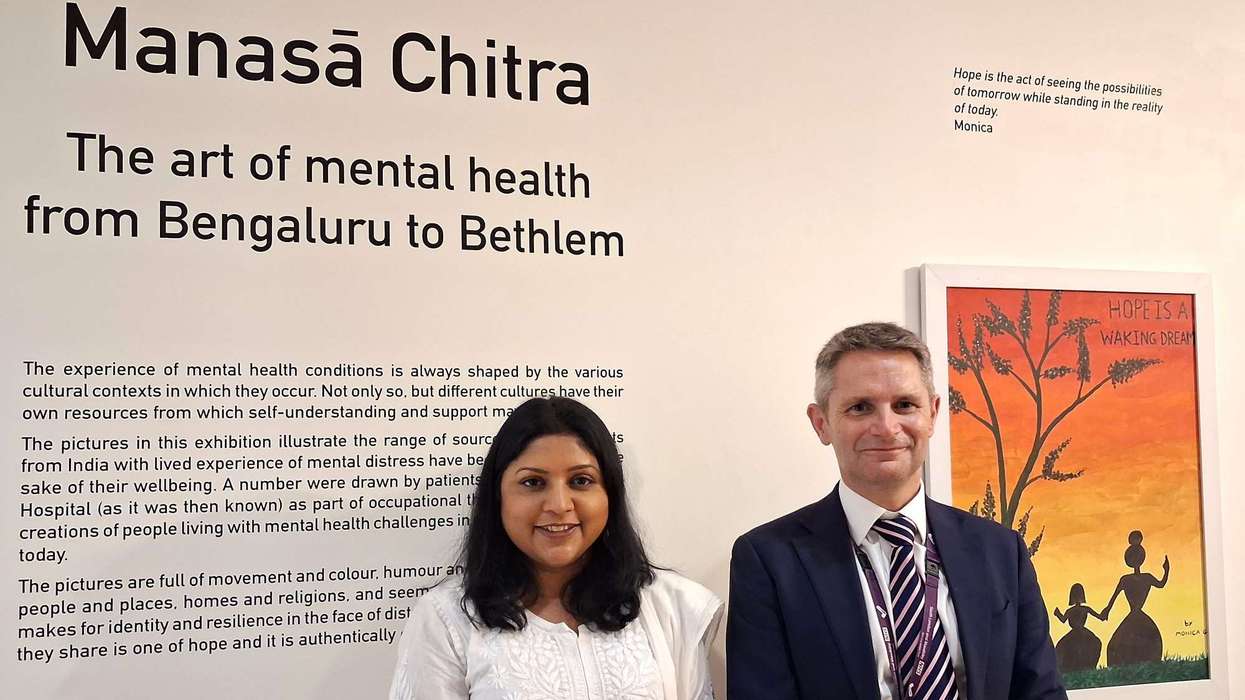

THE mystery of how 20 paintings done in the 1950s by patients at a mental health hospital in Bangalore turned up in Kent has finally been solved after 70 years.
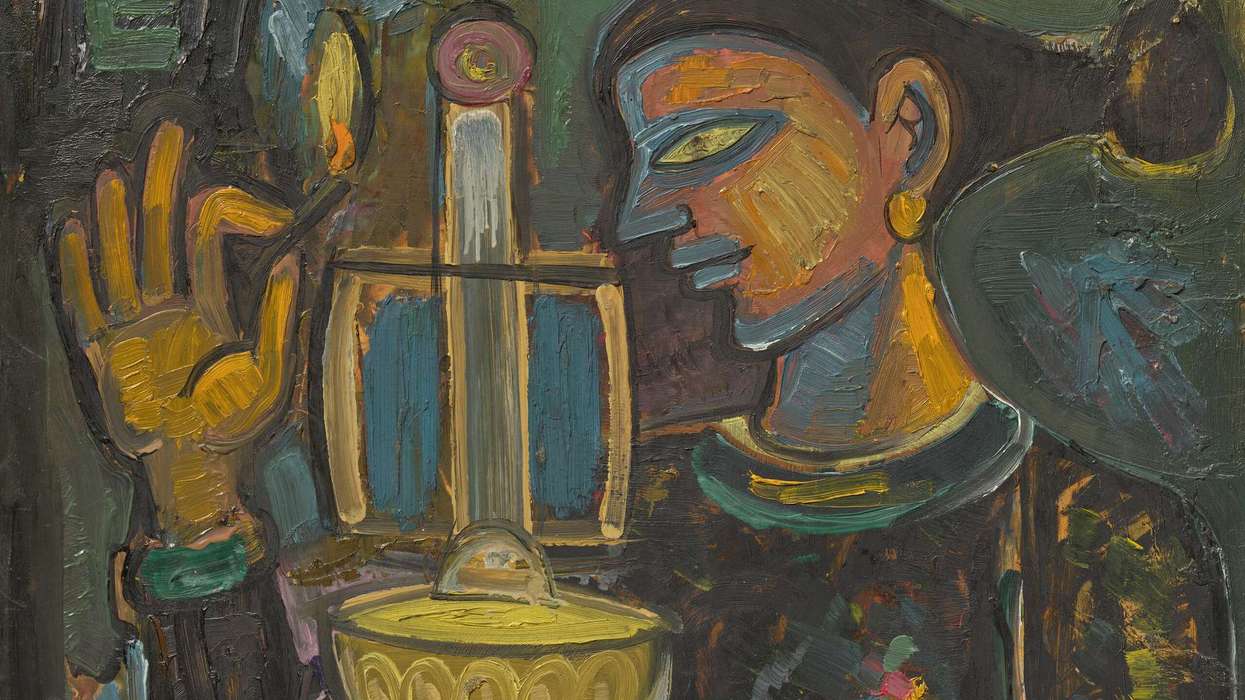
The paintings are on display in a new exhibition, Manasa Chitra: The Art of Mental Health from Bengaluru to Bethlem, at the Bethlem Museum of the Mind in Beckenham, Kent.
The museum is in the grounds of the Bethlem Royal Hospital, a major centre for treating patients with mental health conditions. Alongside the 20 paintings from the 1950s, 16 contemporary works by patients at the National Institute of Mental Health and Neuro Sciences (Nimhans) in Bengaluru (the modern name for Bangalore) are also on display.
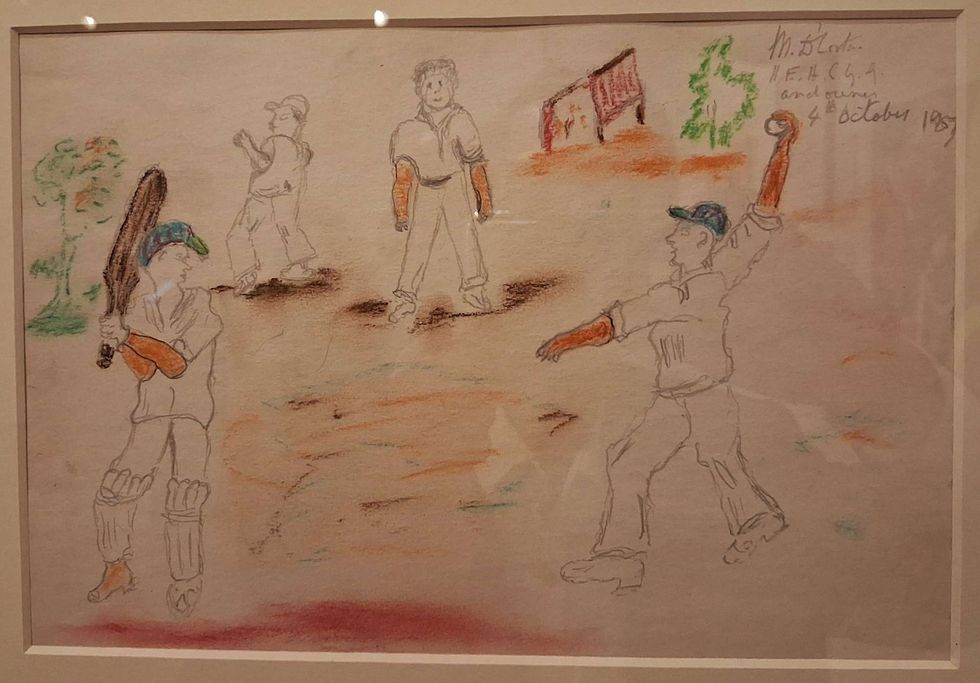 A painting of a cricket matchAmit Roy
Following India’s independence in 1947, Bangalore became the capital of Mysore State. It remained the capital when the new state of Karnataka was formed in 1956. The All India Institute of Mental Health (AIIMH) in Bangalore later became the National Institute of Mental Health and Neuro Sciences.
Among the 20 paintings is a subversive drawing of a 40-year-old Brahmin with a cigarette in his mouth. Another depicts the Hindu deity Shiva with a snake around his neck. There is a painting of people playing cricket and one of a dancing girl standing inside a lotus.
A key work, however, shows a man in a suit standing next to a chair labelled simply: “The Superintendent”.
It is a portrait of one of the two main characters in the paintings’ story – Professor MV Govindaswamy (1904-1961). A psychiatrist, he was sent by the Indian government to train at the Maudsley in London, where he met William (Wilhelm) Mayer-Gross, a German refugee who had fled Nazi Germany.
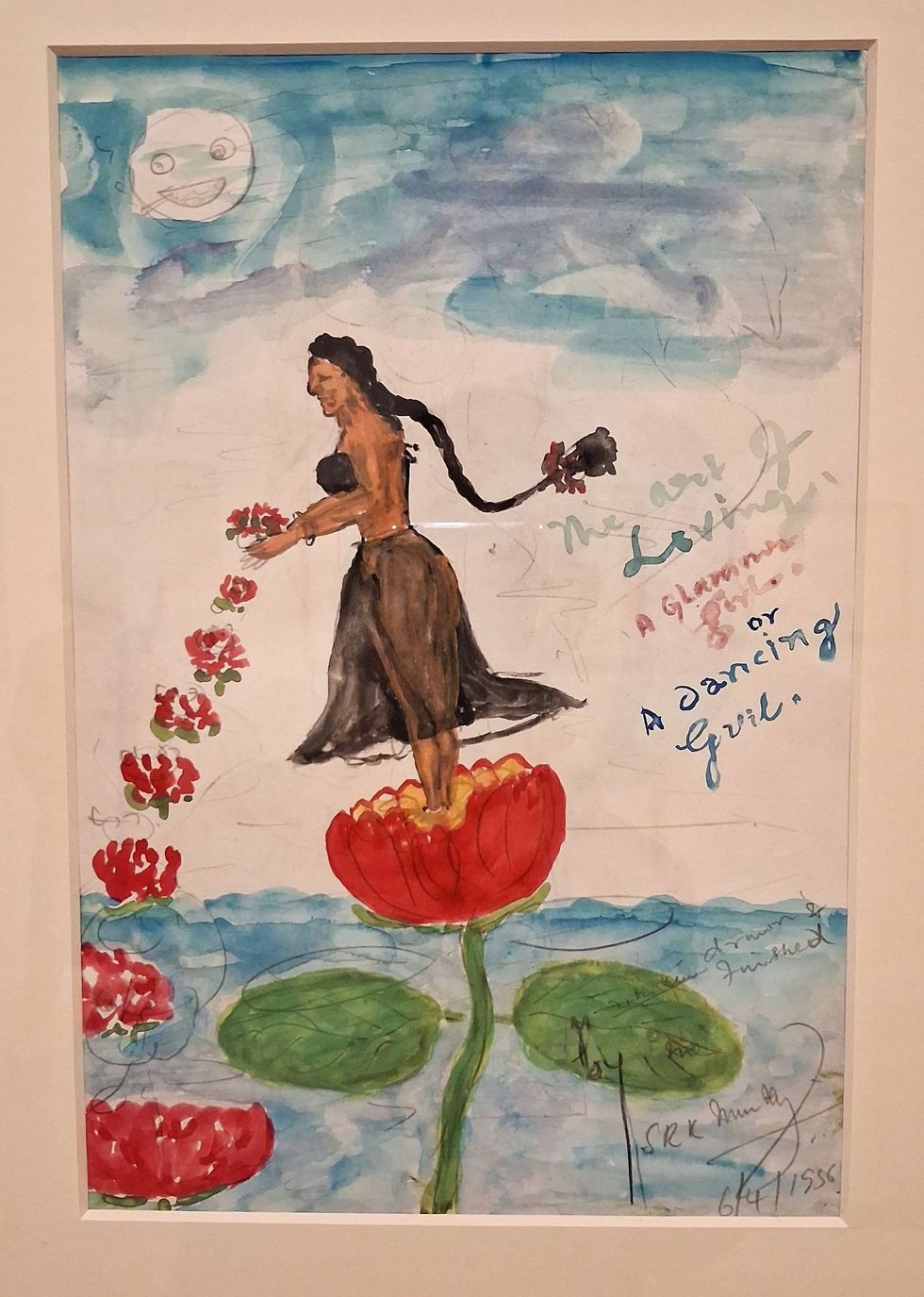 A dancing girl standing inside a lotusAmit Roy
Their friendship deepened when Mayer-Gross went to Bangalore as the World Health Organisation’s representative for south Asia. Nimhans, the psychiatric hospital in Bangalore, was also modelled on the Bethlem Royal Hospital in Kent.
At some point, Mayer-Gross brought the 20 paintings to Britain and donated them to the Bethlem Museum of the Mind, where they remained unnoticed until 2019.
They were “rediscovered” by Rebecca Raybone, the museum’s collections and exhibitions officer, who said: “The show has been in the pipeline since about 2019, when the curator of Nimhans Heritage Museum, Amrutha (R), visited us and wanted to do some research into the 1950s artworks that we didn’t really know very much about.”
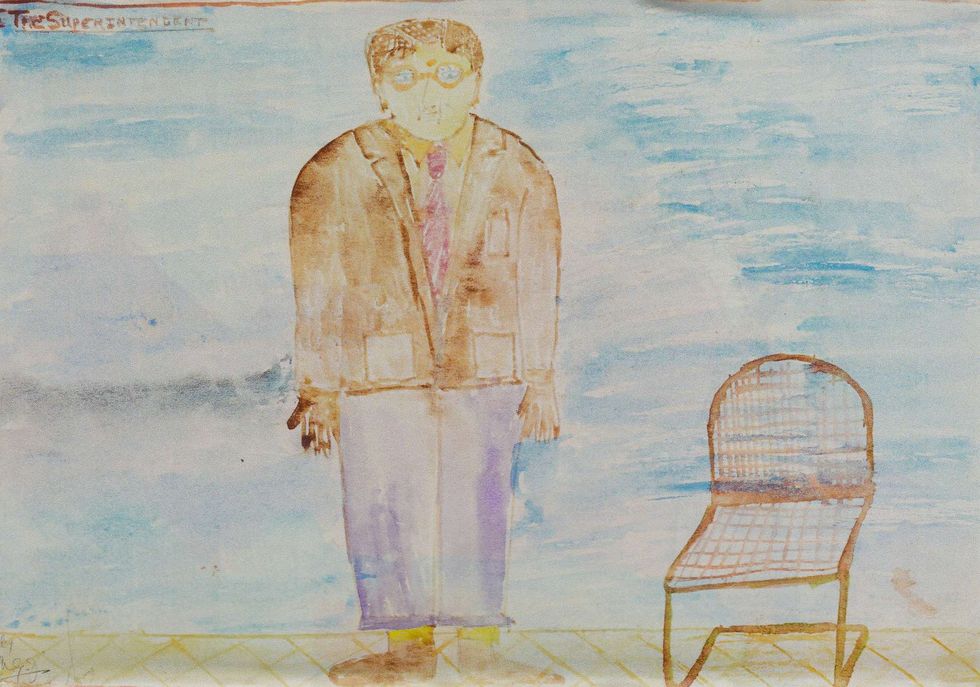 A portrait of Prof MV Govindaswamy labelled The SuperintendentAmit Roy
Others helped Raybone select and interpret the 16 contemporary paintings during her visit to Bengaluru last year.
Raybone and co-curator Rachel Ditchfield said the exhibition “presents two collections of paintings, separated by 70 years, but full of strong connections. Manasa Chitra: The Art of Mental Health from Bengaluru to Bethlem features works created by patients at Bangalore Mental Hospital as part of 1950s occupational therapy, alongside pictures by people living with mental health challenges in and around Bengaluru today. Manasa Chitra translates as ‘Mental Pictures’.”
Colleagues said that Raybone and Ditchfield “devoted considerable time and effort to securing the grant for the exhibition, supporting its preparation and delivery, and helping to interpret and contextualise the artworks. Their work was instrumental in bringing the paintings to life and ensuring the exhibition was meaningful and accessible to visitors.”
They added: “This exhibition was supported by significant contributions from staff across SLaM, NIMHANs, and the Bethlem Museum of the Mind. There were also contributions from Prof Sanjeev Jain, Prof S K Chaturvedi, Dr Karavanagattu Valsaraj (consultant psychiatrist), and other colleagues from NIMHANs, together with staff from the Bethlem Museum of the Mind, whose support, expertise, and collaboration helped make the exhibition possible.”
At the exhibition opening last week, Parle biscuits from India were served with tea and coffee.
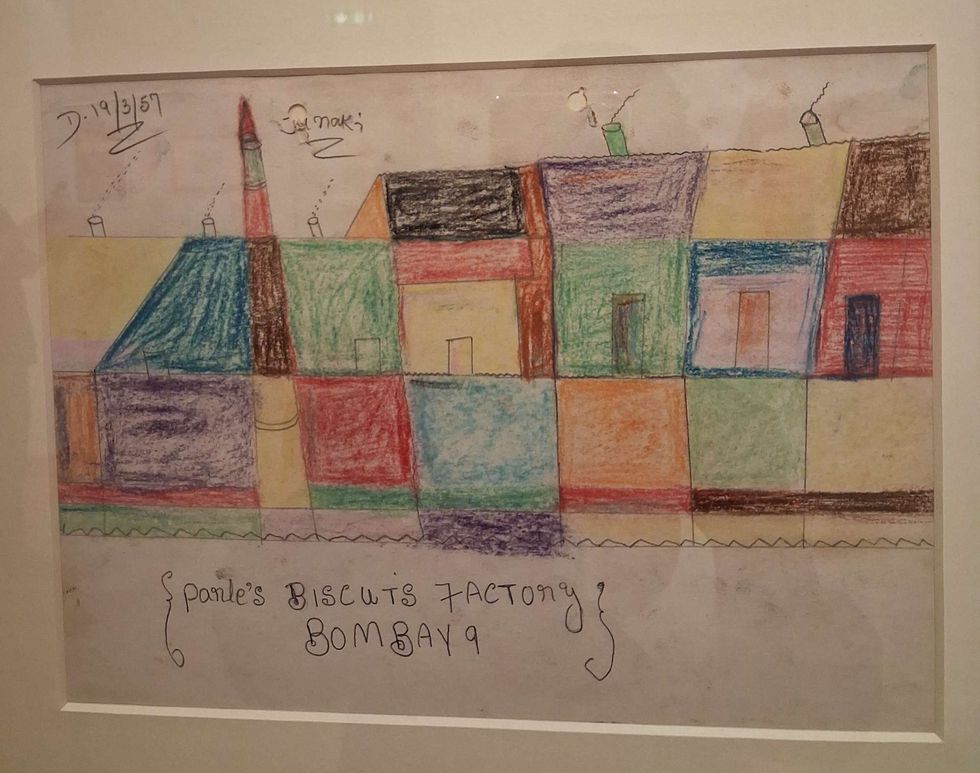 A painting of the Parle Biscuit Factory in BombayAmit Roy
One of the paintings from 1957 depicts the Parle Biscuit Factory in Bombay.
The exhibition was inaugurated by Derek Tracy, chief medical officer at South London and Maudsley NHS Foundation Trust, which covers Lambeth, Croydon, Southwark and Lewisham.
He said the origins of the Bethlem Royal Hospital “go back nearly 800 years to 1247. The word ‘Bedlam’, meaning madness, comes from this hospital. The Bedlam beggars are in King Lear. It comes up to modern history with the Maudsley and Institute of Psychiatry, Psychology & Neuroscience at King’s College London. If there is a sister institution to us, it’s Nimhans.”
He added: “Its history is not entirely dissimilar to ours. Founded in 1847, it was then the lunatic asylum of Bangalore,
but like our own history, it moved from an asylum that contained people to a scientific institute, and that’s where we share a very deep and intimate history.
“A very formative person in both organisations is Wilhelm or William Mayer- Gross, who fled the Nazis in the 1930s. He originally established himself at the Maudsley Hospital in the 1940s. He wrote a seminal textbook on clinical psychiatry that many psychiatrists own. I’ve got a copy in my office. In the 1950s, he went to Bangalore to help establish what would become Nimhans, which has been called the crown jewel of brain science in India. We are setting up an MoU (memorandum of understanding) with Nimhans.”
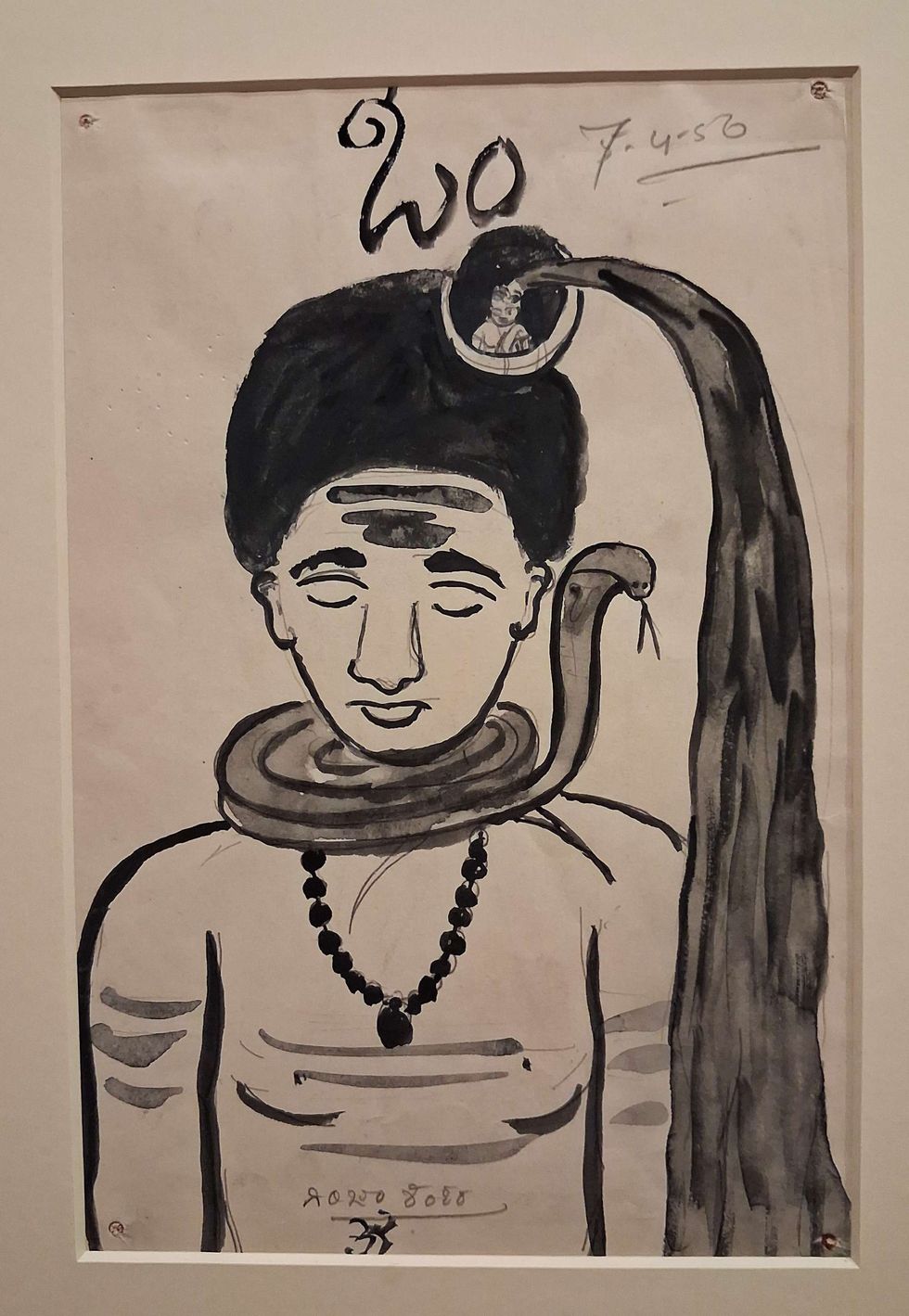 A depiction of Lord ShivaAmit Roy
Tracy told Eastern Eye the word “mad” is no longer used by clinicians in the UK.
“That kind of terminology has gone,” he said. “Sometimes, people with lived experience of mental ill health or mental illness have reclaimed the word ‘mad’ to describe themselves. But in formal language, it’s not a term that’s used. It probably reinforces stigma. Over time, whatever language was used – lunatic or madness – became deeply pejorative.”
Even in the 1950s, art was used in Bangalore to help patients with mental illness.
Tracy said: “Art therapy is a huge part of mental wellbeing for lots of people. There’s an exhibition by Richard Dadd at the Royal Academy at the moment. Some of the paintings are from here. Any creative outlet is good for people. Sport, exercise – any creative outlets are beneficial. It’s not just a treatment for mental illness. It’s part of relaxation and enjoying life.”
He said some of the highest-calibre Indian-origin doctors working for him had trained at Nimhans.
Among them is Dr Sridevi Sira-Mahalingappa, known as “Sri”, who told Eastern Eye: “I’m an adult psychiatrist, a liaison psychiatrist. I work at King’s College Hospital. If patients come in with a medical problem, for example an overdose or another medical condition, and they also have a psychiatric problem, I go and see them.”
She translated the Kannada text in some of the paintings from the 1950s.
In Indian culture, the word pagal – meaning madness – still carries a great deal of stigma.
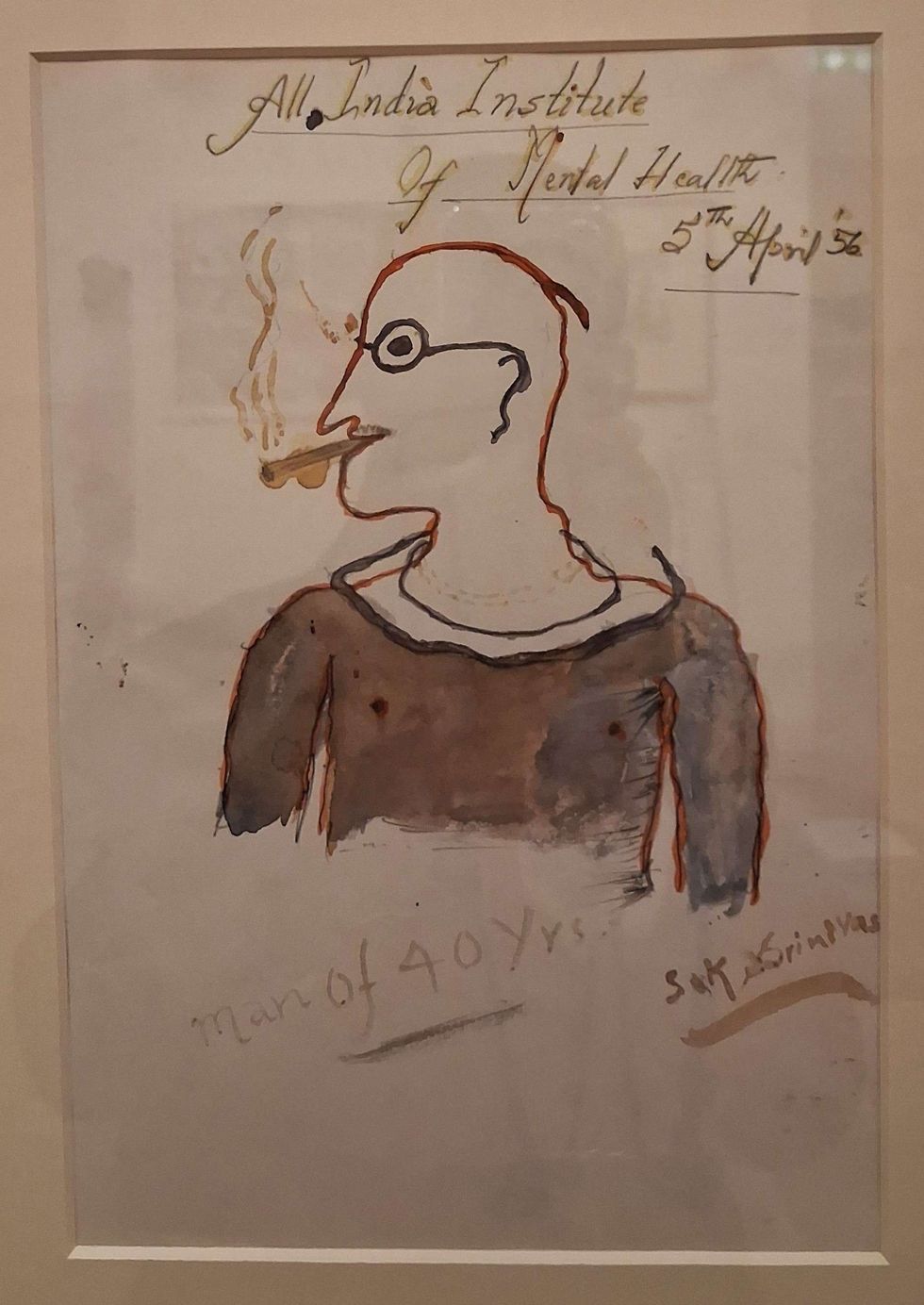 A portrait named Man of Forty YearsAmit Roy
For example, in Satyajit Ray’s film Apur Sansar (The World of Apu), “the intended groom suffers a violent mental fit, refuses to step out of his palanquin, and tears apart his floral wedding garland. He suffers a sudden, severe mental breakdown or disorder (referred to as pagal or insane in the film) upon arriving at the wedding. The bride’s mother calls off the match, but panic ensues because missing the strict auspicious hour means the young bride, Aparna (played by Sharmila Tagore in her debut), faces a lifetime of remaining unmarried. Apu’s friend Pulu and the family convince Apu (Soumitra Chatterjee) to step in as the substitute groom at the last minute to save Aparna from social disgrace.”
Families still “hide” anyone considered pagal for fear it may be seen as hereditary, making daughters less likely to marry if word gets out.
Commenting on mental health in the UK, Sri said: “It’s real. People do suffer. It’s common, especially in inner-city areas such as London. There is so much stress, pressure and anxiety. Yes, many people struggle with depression and anxiety. One in six people have either depression or anxiety. But it’s treatable.”




 The September 11 Memorial and Museum stands on the site of the former World Trade Centre in New York, where the twin towers were destroyed in the 2001 attacks Spencer Platt/Getty Images