
- Belfast council to raise concerns with the UK Home Office over ETA rules.
- Officials fear thousands of Indian cricket fans could be discouraged from travelling.
- Critics say the permit creates barriers for tourism and cross-border travel.
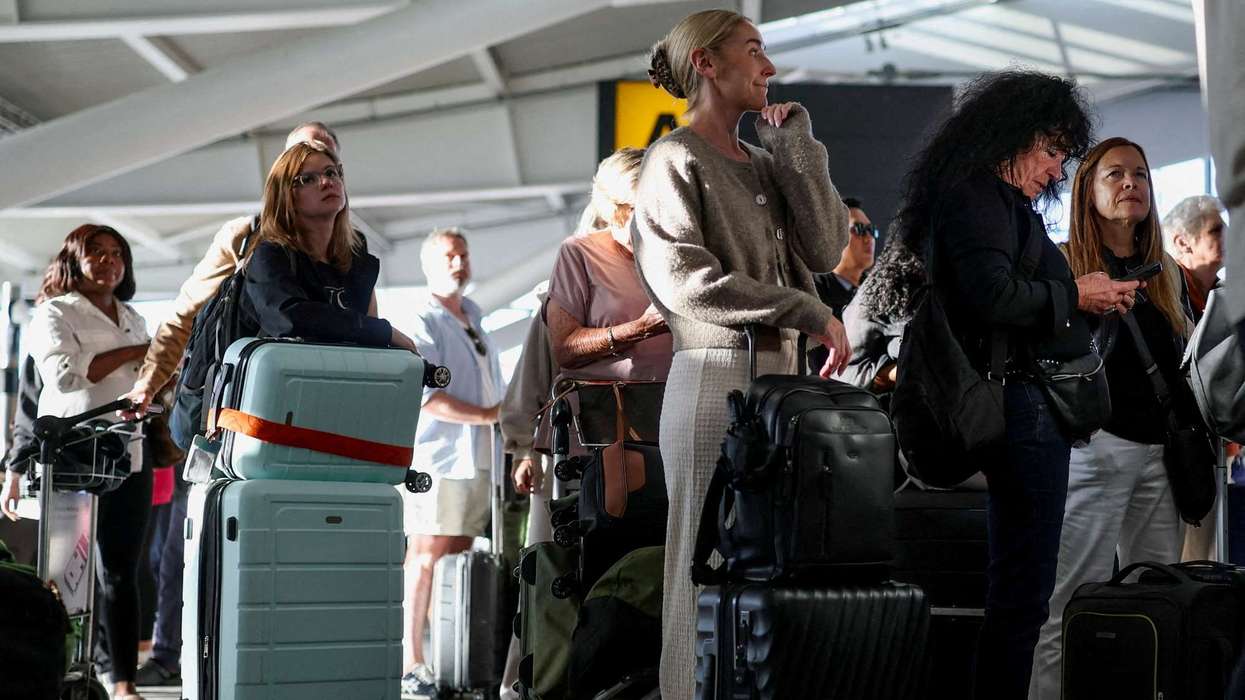
Belfast City Council is set to write to the UK Home Office to criticise the Electronic Travel Authorisation (ETA) system, warning that it is discouraging thousands of Indian cricket fans from travelling to the city for major international matches against Ireland.
Councillors at City Hall unanimously agreed that officials should raise concerns over the impact of the scheme on international sporting events, particularly cricket fixtures scheduled in Belfast this summer.
The city is due to host two high-profile T20 internationals between Ireland and India on June 26 and June 28 at the Civil Service Cricket Club, commonly known as Stormont Cricket Ground. Ireland will also face Afghanistan at the same venue on August 10, August 12 and August 14.
The ETA is a digital travel permit required for visitors from certain countries who do not need a visa to enter the UK. Introduced following Brexit, the authorisation is linked electronically to a traveller's passport and currently costs £10. British and Irish citizens are exempt.
The system has been controversial since its introduction in Northern Ireland last year. Critics argue it creates an invisible border for tourists travelling across the island of Ireland, while businesses say the additional cost, paperwork and requirement to apply in advance discourage spontaneous cross-border visits.
Tourism and hospitality groups have warned that a significant share of international visitor spending in Northern Ireland could be lost as a result. Estimates suggest that between a quarter and three quarters of potential visitor spending from overseas travellers may be at risk.
The issue is particularly sensitive because Ireland is often marketed internationally as a single tourism destination. Critics say many overseas visitors are unaware they are crossing an international border when travelling by road from the Republic of Ireland into Northern Ireland, leaving some at risk of unintentionally falling foul of the travel rules.
LDRS (Local Democracy Reporting Service)