
- Barclays has removed its customer fee for Direct Investing users.
- An investor with a £50,000 portfolio could save £125 a year.
- The bank says cost remains the biggest barrier to investing for many people.
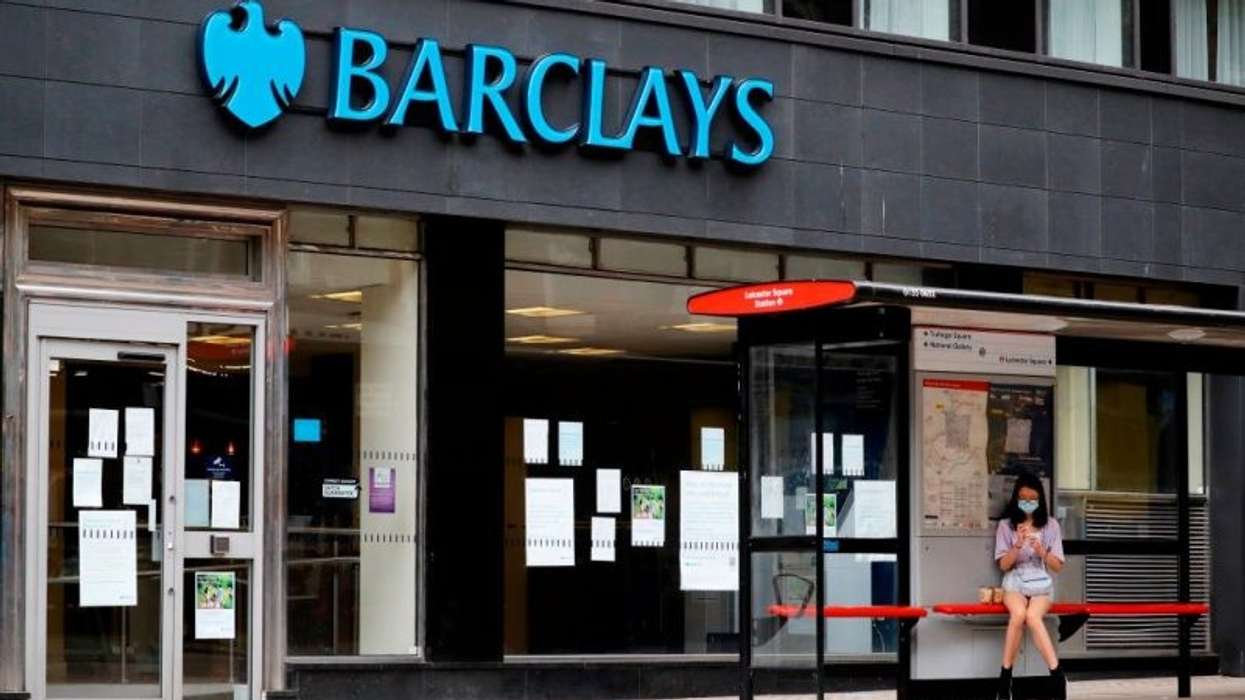
Barclays has removed the customer fee on its Direct Investing platform, meaning customers will no longer pay a charge simply to hold investments.
The change affects Barclays Direct Investing, formerly known as Smart Investor, and comes as banks and investment platforms compete for a larger share of the UK's growing retail investing market. The move is also part of wider efforts across the financial services sector to encourage more people to move long-term savings from cash into investments.
Under the previous pricing structure, customers paid an annual fee of 0.25 per cent on investment balances up to £200,000 and 0.05 per cent on balances above that level. Barclays has now reduced that charge to zero.
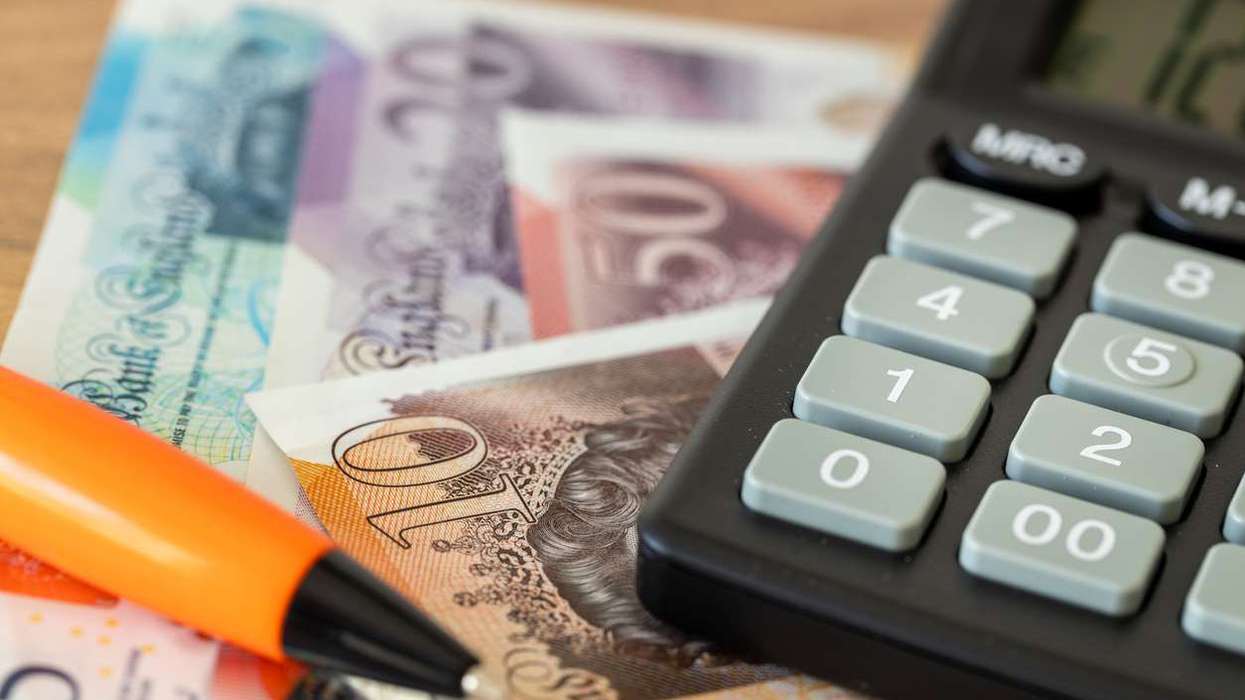
For investors, the savings could be noticeable. Someone with a £50,000 portfolio would save £125 a year, while a customer holding £20,000 in funds within an ISA would no longer pay the £50 annual customer charge that previously applied.
Cutting costs to win investors
Barclays said research conducted on its behalf found that 39 per cent of UK adults view fees and charges as the most important factor when choosing an investment service.
While the platform fee has been removed, other charges remain in place. Investors will continue to pay £6 each time they buy or sell shares, exchange traded funds, bonds or investment trusts. Fund purchases and sales remain free, although investors will still pay ongoing charges set by fund managers.
A customer with £10,000 invested in shares and making six trades a year would pay £36 under the new pricing structure, compared with £61 previously, according to Barclays.
Foreign exchange charges for international share trading and telephone dealing fees also remain unchanged.
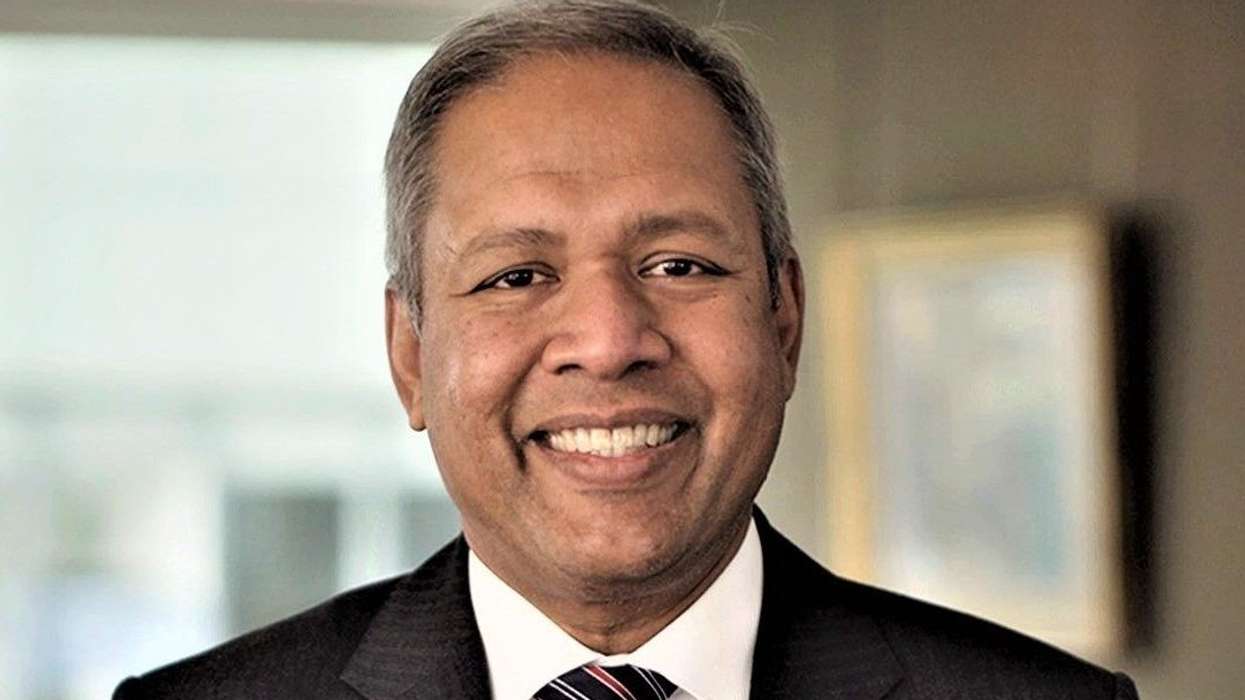
Sasha Wiggins, chief executive of Barclays Private Bank and Wealth Management, said the removal of the customer fee is intended to make investing more accessible and help customers feel more confident about getting started.
The battle for Britain's savings
The announcement comes as policymakers and financial firms continue to focus on what has become known as the UK's investment gap.
Previous research from the Financial Conduct Authority found that around seven million adults hold more than £10,000 in cash savings, potentially missing out on higher long-term returns available through investing.
Barclays argues that inflation can significantly reduce the spending power of money left in cash over long periods. According to the bank's analysis, the real value of cash would have fallen by 40.5 per cent over the past two decades, while invested funds would have increased by 21.6 per cent over the same period.
Its latest Equity Gilt Study also found that shares outperformed cash 70 per cent of the time over two-year periods, rising to 91 per cent over 10-year periods.
The fee reduction could increase pressure on rival investment platforms as firms compete for investors' savings. Holly Mackay, founder and chief executive of Boring Money, said the move could reshape pricing across the direct investing market and force competitors to reassess their own charging structures.
The changes follow wider reforms introduced on April 6 that allow some firms to offer targeted support to customers, helping them make more informed financial decisions without paying for full personalised financial advice.
As competition intensifies and firms seek to attract new investors, lower costs are increasingly becoming a key battleground in the race for Britain's savings.